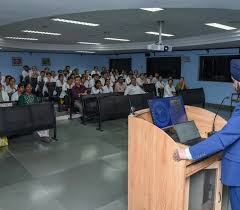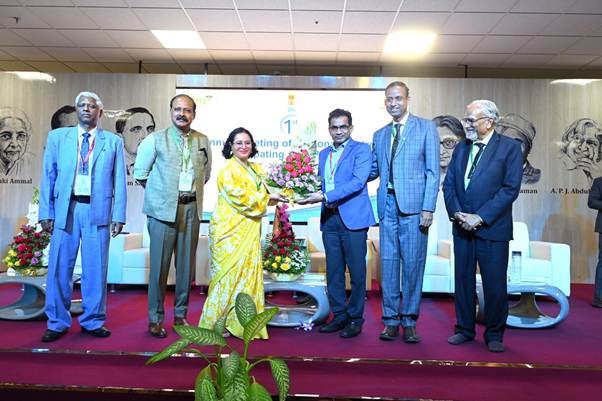
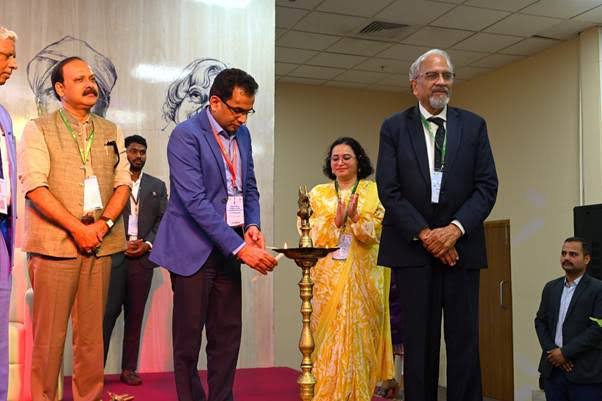
Visakhapatnam, February 28, 2026: In a major step toward strengthening India’s drug and medical device safety framework, the Indian Pharmacopoeia Commission (IPC) and Andhra Pradesh MedTech Zone (AMTZ) organised a two-day National Meet on Pharmacovigilance and Materiovigilance in Visakhapatnam.
 Shift from Awareness to Performance
Dr V. Kalaiselvan, Secretary-cum-Scientific Director of IPC, presided over the inaugural session and emphasised the need for measurable outcomes in pharmacovigilance. He underlined that reporting adverse drug reactions (ADRs) must evolve into a performance-oriented system backed by robust data analysis and accountability.
Senior leaders including Prof. Y. K. Gupta and Prof. Ashok Puranik from leading AIIMS institutions, Dr Jitendra Sharma, Managing Director and Founder CEO of AMTZ, and Dr Kavita Kachroo, CEO of Kalam Institute of Health Technology, highlighted the importance of institutional collaboration to improve drug and device safety standards nationwide.
ADR PvPI 2.0 Mobile Application Launched
A key highlight of the meet was the launch of the ADR PvPI 2.0 Mobile Application. The upgraded platform aims to simplify adverse drug reaction reporting, enable real-time data capture, and enhance stakeholder engagement across the healthcare ecosystem.
The mobile application is expected to strengthen patient safety by encouraging faster reporting from doctors, pharmacists, nurses, and patients. Officials noted that timely data submission and analysis remain critical for identifying potential risks and preventing larger public health issues.
Addressing Underreporting and Documentation Gaps
Technical sessions during the two-day conference reviewed the progress made under PvPI and MvPI. Experts discussed persistent challenges, including underreporting of adverse drug reactions, inconsistencies in documentation, and the need for improved medical device safety oversight.
Participants stressed that building a culture of systematic reporting within hospitals and healthcare institutions is essential. Strengthening the performance of AMCs and MDMCs, particularly at the district and tertiary care levels, was identified as a priority.
Working group deliberations on the second day focused on expanding pharmacovigilance outreach beyond district-level facilities. Experts proposed standardised frameworks for documenting preventable adverse events and called for enhanced training programmes to build capacity among healthcare professionals.
Technology and Coordination at the Core
Under the theme “Empowering India’s Pharmacovigilance and Materiovigilance: From Awareness to Action,” the meet underscored the integration of technology-enabled monitoring systems. Improved inter-institutional coordination and digital reporting platforms were seen as vital to ensuring rapid response mechanisms.
The recommendations emerging from the discussions highlighted the need for standardised reporting practices, stronger regulatory coordination, and data-driven interventions to protect patient safety. Officials reaffirmed IPC’s commitment to evidence-based policymaking and enhanced surveillance systems.
Strengthening India’s Patient Safety Ecosystem
The National Meet concluded with a renewed commitment to strengthening India’s pharmacovigilance and materiovigilance ecosystem. Stakeholders agreed that coordinated action, digital transformation, and sustained institutional collaboration are essential for ensuring safe medicines and medical devices for the country’s vast population.
With the launch of ADR PvPI 2.0 and a clear roadmap emerging from the deliberations, India’s drug and medical device safety framework is poised for a more responsive, transparent, and accountable future.