 Fertility Preservation Gains Urgency
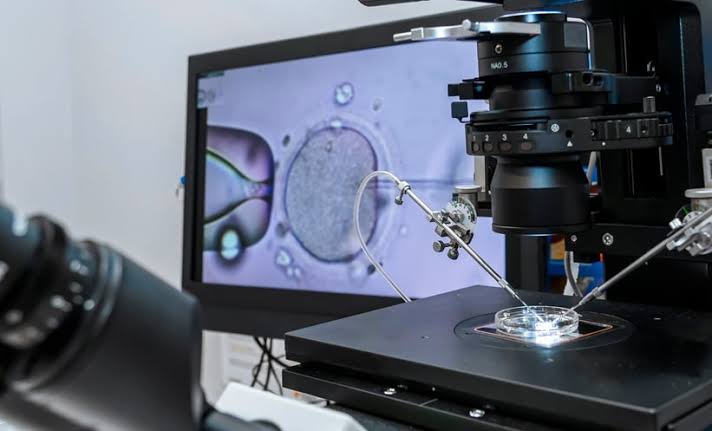
As cancer survival rates improve among reproductive-age women, demand for fertility preservation has grown steadily. Women diagnosed with breast cancer, blood cancers, and other malignancies increasingly seek assisted reproduction before undergoing chemotherapy or radiation.
Accurate assessment of ovarian reserve is critical in this setting. AMH blood testing and antral follicle count (AFC) through ultrasound are the two primary tools used to predict ovarian response to controlled stimulation.
Study Overview from ISGE 2026
The retrospective observational study was conducted at the Assisted Reproduction Unit of the University Hospital of Padua. Researchers analysed data from over 330 women, including 178 with breast cancer, 88 with hematologic malignancies, and 65 with other tumours.
The team examined whether AMH or AFC was a better predictor of ovarian response during fertility preservation cycles.
Interestingly, women with hematologic malignancies were generally younger and showed higher AFC and greater oocyte yield compared to other groups. However, their AMH levels were not proportionately elevated, creating a noticeable discrepancy.
Why AMH May Appear Lower
Researchers suggested that systemic inflammation could be the key factor. Inflammatory cytokines may suppress AMH secretion or accelerate its degradation in the bloodstream.
As a result, AMH levels in women with blood cancers may appear lower than their actual follicular reserve. This could lead clinicians to underestimate reproductive potential if relying solely on hormone levels.
The findings indicate that AMH might not always provide a complete picture in inflammatory or hematologic conditions.
AFC as a More Reliable Marker
In contrast to AMH, antral follicle count appeared to correlate better with controlled ovarian stimulation outcomes in the study population. Women with hematologic cancers showed robust follicular activity and favourable oocyte retrieval despite non-elevated AMH levels.
This suggests that AFC may provide a more dependable measure of ovarian reserve in oncology patients facing systemic inflammation.
Experts presenting the data advised clinicians to interpret low AMH results cautiously in women with hematologic disease and to incorporate AFC findings and broader clinical assessment when counselling patients.
Implications for Assisted Reproduction
Fertility preservation is a time-sensitive decision for women newly diagnosed with cancer. Underestimating ovarian reserve could influence treatment planning or counselling unnecessarily.
The study reinforces the need for a comprehensive approach that integrates hormonal tests, ultrasound findings, age, and disease context.
Researchers concluded that while AMH remains a valuable tool in routine fertility assessment, it should not be viewed in isolation in patients with cancer-related inflammation.
Looking Ahead
The findings presented at ISGE 2026 highlight the evolving understanding of reproductive endocrinology in oncology settings. As cancer survival improves globally, integrating nuanced diagnostic strategies will be crucial in supporting reproductive choices.
Further prospective research may help clarify how inflammatory markers interact with ovarian hormones and refine predictive models for fertility preservation.
For now, clinicians are encouraged to adopt a balanced interpretation of AMH values and prioritise personalised counselling for women navigating cancer and fertility decisions simultaneously.