 Markets End Week in Red
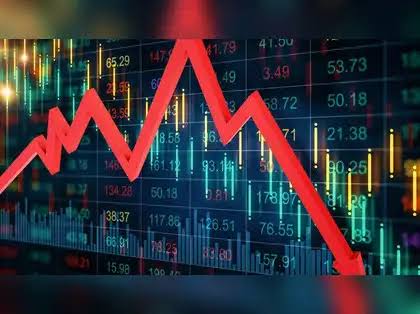
On Friday, the Sensex plunged 961 points, or 1.17%, to settle at 81,287.19. The Nifty 50 dropped 318 points, or 1.25%, to close at 25,178.65. Broader markets also weakened, reflecting risk-off sentiment across sectors.
Market analysts attributed the fall to intensifying geopolitical tensions in the Middle East and a surge in crude oil prices, which could impact inflation and corporate margins in India.
1. Israel-Iran War Escalation
The biggest trigger for global markets is the rapid escalation of military conflict involving Israel, Iran, and the United States. Reports of strikes and retaliatory missile attacks have heightened fears of a prolonged regional conflict.
Any further escalation could disrupt global trade routes, oil supply chains, and financial markets. Indian equities, being sensitive to global risk sentiment, may witness heightened volatility if tensions continue to rise.
2. Crude Oil Prices and Strait of Hormuz Risk
Crude oil remains a critical variable for India, which imports a majority of its energy requirements. A significant portion of India’s crude imports passes through the Strait of Hormuz a key global chokepoint.
If the conflict disrupts shipping lanes or production, oil prices could spike sharply. Higher crude prices may widen India’s trade deficit, pressure the rupee, and stoke inflation, forcing the Reserve Bank of India (RBI) to maintain a cautious monetary stance. Updates from the RBI are available at https://www.rbi.org.in.
3. Gold and Silver as Safe Havens
Geopolitical uncertainty typically pushes investors toward safe-haven assets like gold and silver. Analysts expect precious metals to remain firm or even open higher if tensions escalate further.
While rising gold prices may benefit related stocks, it often signals caution in equities. Investors may rebalance portfolios, reducing exposure to high-risk sectors.
4. Global Market Cues
Indian markets will also track movements in US and other global indices. On Friday, US markets showed weakness amid concerns over geopolitical instability and broader economic data.
Any sharp movement in the S&P 500, Dow Jones, or Nasdaq could influence early trade in India. Additionally, fluctuations in the US dollar index may impact foreign fund flows into emerging markets.
5. FII and DII Activity
Foreign Institutional Investors (FIIs) had recently turned net buyers in Indian equities after months of selling. However, renewed geopolitical risk could prompt a wait-and-watch approach.
Domestic Institutional Investors (DIIs) are expected to provide some cushion if volatility intensifies. Investors can monitor official FII/DII data through the National Securities Depository Limited (NSDL) website at https://www.nsdl.co.in.
Technical Outlook: Nifty, Bank Nifty, Sensex
Technically, the Nifty 50 has slipped below key short-term moving averages, indicating emerging weakness. Immediate support is seen around the 25,100–25,000 zone. A break below this range could expose lower levels.
Resistance for the index lies near 25,350–25,500. A sustained move above this zone is required for stability. Momentum indicators suggest a mildly bearish bias in the near term.
The Bank Nifty index has shown signs of profit booking after retreating from recent highs. Immediate support is placed near 60,300, while resistance stands around 60,800–61,000. Sustained weakness could extend the downside.
The Sensex has tested the 81,200–81,000 zone. Analysts believe volatility may persist unless global cues improve. Investors are advised to focus on quality stocks and avoid aggressive leveraged positions.
Investor Strategy for the Week
Given the prevailing uncertainty, experts recommend a cautious approach. Defensive sectors such as IT and export-oriented companies may show relative resilience if the US dollar strengthens.
Automobiles, financials, and FMCG stocks could face short-term pressure due to rising input costs and global risk aversion. Portfolio diversification and disciplined risk management remain crucial.
With multiple triggers at play from war headlines to commodity prices the coming week could test investor nerves. Markets are likely to remain volatile until there is greater clarity on geopolitical developments and energy supply stability.