Modi’s Two-Day Israel Visit
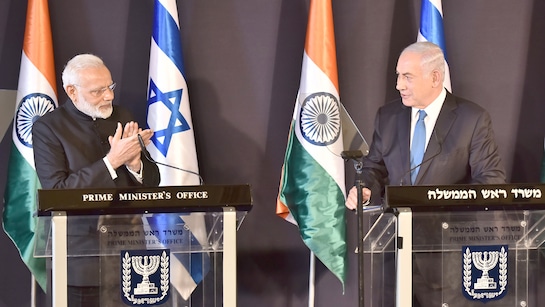
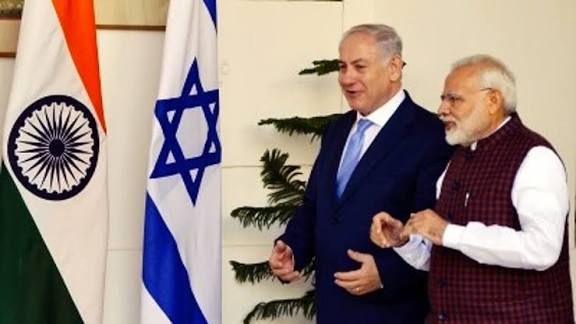
PM Modi arrived in Israel on Wednesday, February 25, for a two-day visit aimed at strengthening bilateral defence and trade ties. His schedule includes an address to the Knesset, high-level meetings with PM Netanyahu, and a meeting with President Isaac Herzog. The visit is seen as a strategic effort to reinforce India-Israel cooperation amid regional and global challenges.
Opposition Raises Protocol Concerns
The opposition, led by Yair Lapid, emphasized that the absence of Supreme Court President Yitzhak Amit would undermine parliamentary decorum and transparency. “Call Ohana, tell him to invite Supreme Court President Amit, allow us to attend the event we need to be at, and don’t harm one of Israel’s most important alliances,” Lapid urged in a post on his X handle.
Lapid further stressed that it is critical for Israel to demonstrate unity and professionalism during the visit of a “great friend and ally,” reflecting the importance of the India-Israel partnership.
Speaker’s Response and Political Standoff
Speaker of the Knesset Amir Ohana stated that President Amit had not been invited for the address. Earlier, he mentioned that vacant Knesset seats would be filled by former lawmakers to accommodate the event. This decision has intensified a domestic political standoff, putting the opposition in a position to either participate or boycott the historic session.
Over the past two days, Lapid has made repeated appeals to PM Netanyahu, urging resolution of the protocol dispute to prevent politicization of a diplomatic visit.
Strategic and Regional Significance
Modi’s visit is seen as crucial for enhancing defence collaboration, advancing trade agreements, and exploring technology partnerships. Analysts note that any disruption in parliamentary proceedings could cast a shadow over the bilateral talks. Both nations are keen to highlight a united front in international diplomacy, particularly amid West Asia geopolitical sensitivities.