Legal Aid for Persons with Disabilities
Under Section 12 of the Legal Services Authorities Act, 1987, persons with disabilities are entitled to free legal aid. In 2023-24, nearly 15.5 lakh people benefited from legal services across India, including 11,591 persons with disabilities, accounting for 0.74% of total beneficiaries. NALSA compiles this data from state-level legal services institutions to ensure transparency and accountability.
NALSA has also rolled out the Legal Services to the Mentally Ill and Persons with Intellectual Disabilities Scheme, 2024. The scheme focuses on ensuring equal legal access in civil, criminal, and administrative matters, while also training specialized lawyers and para-legal volunteers in every district. Dedicated Legal Services Units for Persons with Mental Illness and Intellectual Disabilities (LSUMs) have already been set up in most states and union territories, with trained professionals deployed in courts, prisons, and police stations.
 Disabled-Friendly Court Infrastructure
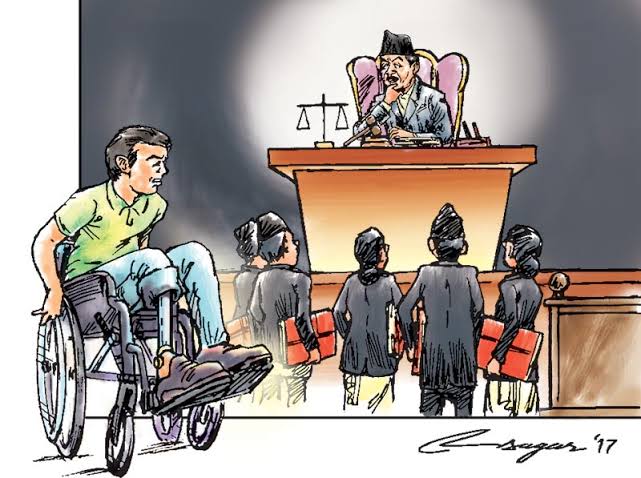
To support inclusivity, the government has mandated that all new court buildings and judicial housing funded under the Centrally Sponsored Infrastructure Development Scheme must follow accessibility norms. These designs must comply with standards set by the Central Public Works Department and the Department of Empowerment of Persons with Disabilities, ensuring ramps, lifts, signage, and other disabled-friendly facilities are integrated into court complexes.
Digital Accessibility Under eCourts Project
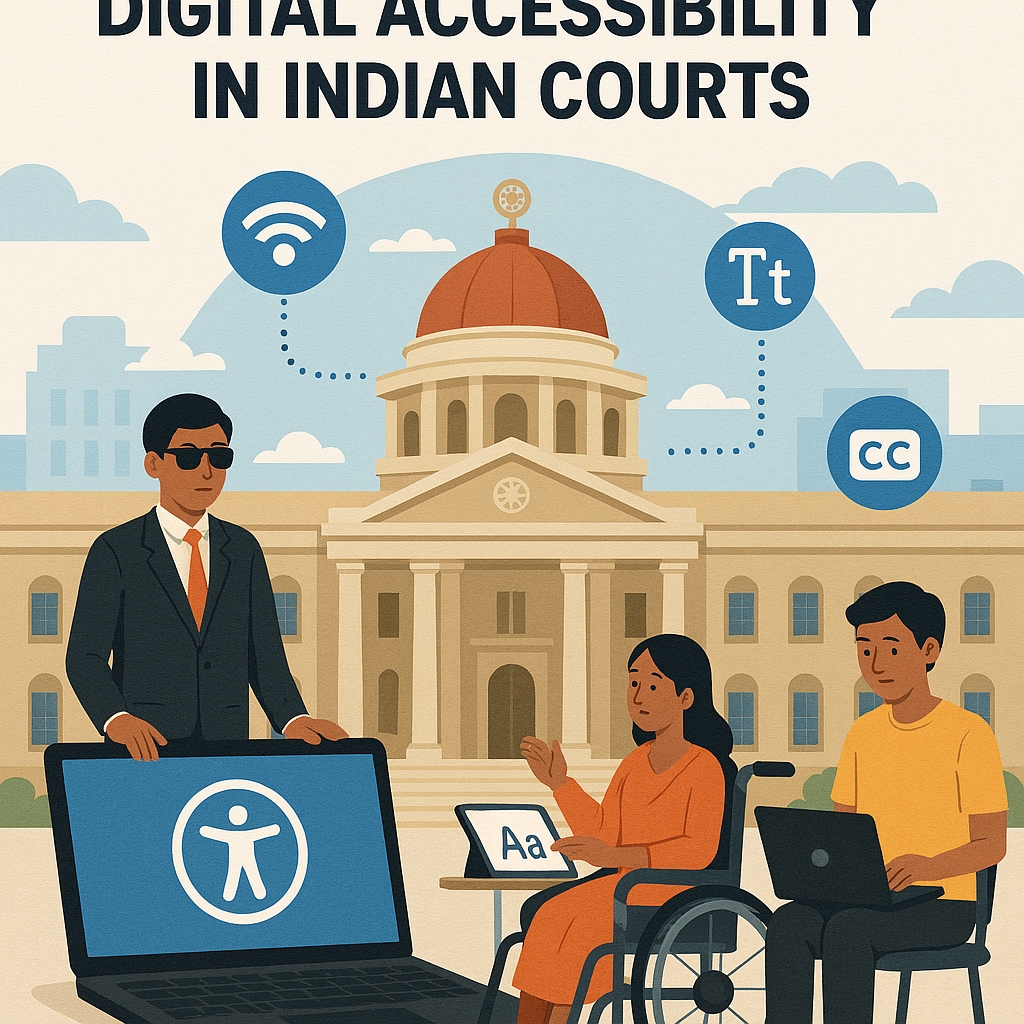
The third phase of the eCourts Project is introducing robust digital solutions aimed at improving accessibility for citizens with disabilities. With an allocation of ₹27.54 crore, the project includes enhanced ICT facilities such as screen reader-friendly websites, voice navigation, and tools for visually challenged litigants. Another ₹6.35 crore has been earmarked for migrating 752 court websites, including High Courts, to the S3WaaS platform (Secure, Scalable and Sugamya Website as a Service). This migration ensures better accessibility and usability for partially and fully visually impaired citizens.
These initiatives aim to create a justice system that does not exclude any section of society, bridging the gap between legal institutions and citizens who need support the most.
Government’s Commitment
Meghwal stressed that equal access to justice is a constitutional right and the government is committed to ensuring that disability does not become a barrier. He underlined that legal, infrastructural, and digital reforms are being synchronised to make the system more inclusive. The government’s multi-pronged approach reflects its focus on both immediate accessibility needs and long-term structural changes.