 What the MGMD records
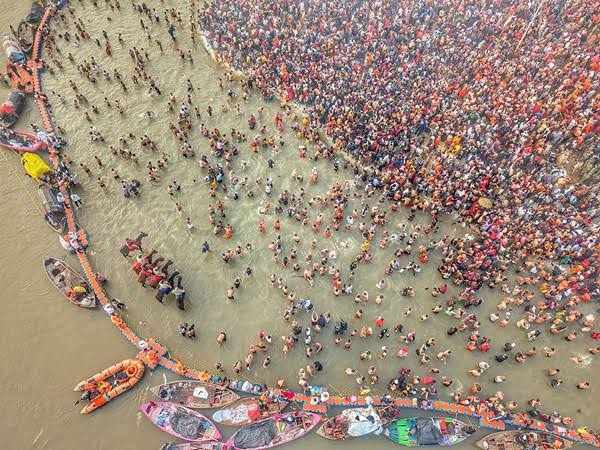
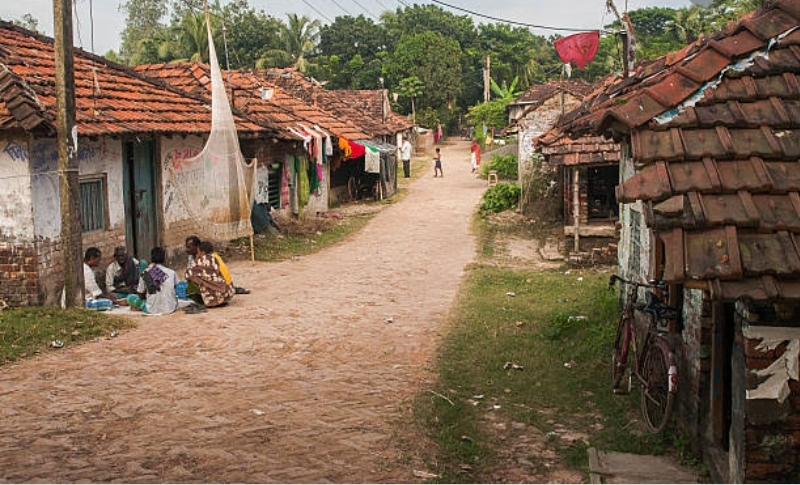
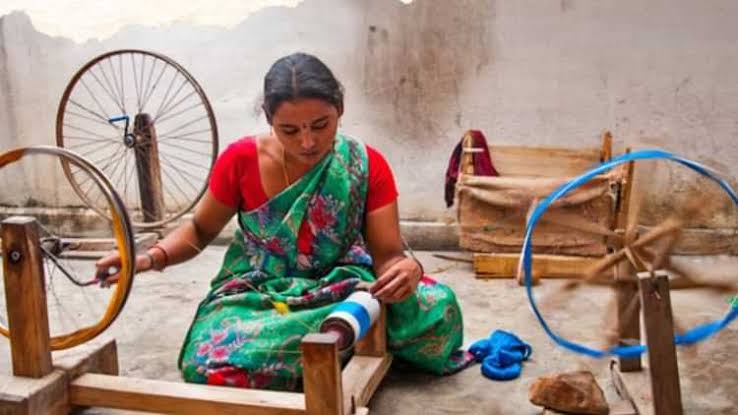
MGMD’s documentation spans both tangible and intangible cultural assets. Field teams and community contributors capture oral traditions, local beliefs, folk art, rituals, festivals, traditional foods, native dress, ornaments, and historic landmarks. The portal also records notable local artists, community fairs, and heritage sites that anchor village identity.
The programme emphasises community-led documentation. Villagers validate entries via crowd-sourced workflows on the MGMD Portal, ensuring local ownership and accuracy in mapping cultural assets that are often overlooked in larger heritage surveys.
From documentation to development
Officials say the MGMD repository is not merely archival. Structured village profiles enable targeted planning for cultural cluster development, heritage-based tourism, skill promotion and rural livelihood generation. Local craftspeople, artisans and small enterprises can access curated visibility and market linkages using the portal’s data.
“MGMD strengthens rural identity by creating authentic cultural profiles at the village level,” the Ministry noted. The centralized data set allows policymakers and tourism planners to identify clusters of complementary assets for circuit development and sustainable tourism initiatives.
How communities contribute
The MGMD process actively invites community participation. Villagers, local NGOs and cultural volunteers submit records and multimedia, while domain experts verify details. This participatory approach reduces errors, builds local capacity and increases the likelihood that documented heritage will be used for economic and educational programmes.
The portal’s crowd-sourced validation also helps capture seasonal and ephemeral cultural expressions festivals, rituals and performances that conventional surveys often miss.
Policy and planning benefits
Having a single national database of village-level cultural assets makes it easier for ministries and state governments to plan interventions whether for infrastructure, conservation funding, tourism promotion, or artisan support. The MGMD portal provides searchable, geotagged information that can be layered with tourism routes, transport networks and market access data.
Challenges and way ahead
While the scale of mapping is notable, officials acknowledge ongoing challenges: ensuring data quality in remote regions, maintaining regular updates, and converting catalogued assets into sustainable economic opportunities. The MGMD team plans continued outreach, training and partnerships with state bodies, tourism departments and NGOs to address these gaps.
Planners say the next phase will emphasise cluster development, skills training for local artisans and pilot heritage-tourism projects that respect community rights and ecological limits. When correctly implemented, the MGMD database can become a living tool for cultural conservation and rural prosperity.