

The GI-tagged Mizo Bird’s Eye Chilli, primarily cultivated in Lunglei, Siaha, and Lawngtlai, is a cornerstone of local agriculture. Traditionally grown through jhum cultivation, it contributes significantly to household income. Mizoram produced over 10,900 metric tonnes in 2020–21 and exported 7.5 metric tonnes to the US in 2023, while informal trade with Bangladesh remains substantial.
With the GST on processed chilli products cut from 18% to 5%, both farmers and small processing units stand to benefit. The lower tax is expected to promote branding, formalise cross-border trade, and enhance export competitiveness.
Ginger and Turmeric: Spicing Exports and Local Economy
Mizoram produces over 60,000 tonnes of ginger and 30,000 tonnes of turmeric annually, forming a key part of the state’s horticulture and spice exports. With GST reduced on processed products from 18% to 5%, value-added producers gain better market access, lower costs, and stronger competitiveness in domestic and international markets.
Passion Fruit Processing and Local Entrepreneurship
As India’s third-largest producer of passion fruit, Mizoram cultivates over 3.4 lakh tonnes across 69,000 hectares. GST reduction on processed fruit products will make juices and concentrates more affordable, stimulate small-scale processing units, create local jobs, and support women entrepreneurs in rural communities.
Bamboo and Cane Crafts: Supporting Rural Artisans
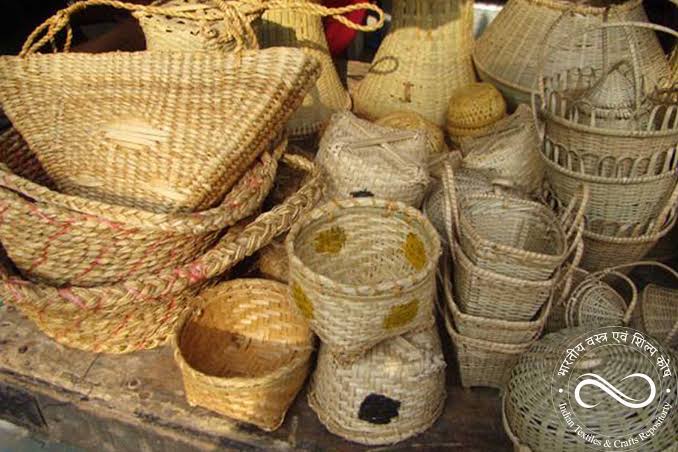
Bamboo covers nearly 51% of Mizoram’s land and forms the backbone of its handicraft sector. The GST cut to 5% on bamboo and cane products, including furniture and décor items, will boost domestic demand, enhance competitiveness, and provide sustainable income for rural artisans.
Tourism and Hospitality: Making Travel Affordable
Mizoram’s scenic hills, forests, and cultural heritage attract eco-tourists and adventure seekers. With hotel rooms priced up to ₹7,500 now taxed at 5%, tourism becomes more accessible, boosting occupancy rates, supporting local entrepreneurs, and creating employment opportunities across the hospitality sector.
Conclusion
The GST rationalisation in Mizoram offers broad-based economic benefits. From farmers and spice processors to artisans and tourism entrepreneurs, lower tax rates reduce costs, improve competitiveness, and create jobs. By aligning traditional strengths with modern market opportunities, Mizoram is poised for inclusive and sustainable growth.