Top cities at a glance
Euromonitor’s ranking places Hong Kong (≈23.2M) and London (≈22.7M) close behind, with Macau, Istanbul and Dubai completing the upper tier of the top 10. The top ten also includes Mecca, Antalya, Paris and Kuala Lumpur a mix of religious, leisure and business hubs that highlights different drivers of international travel in 2025.
 Why Bangkok surged to the top
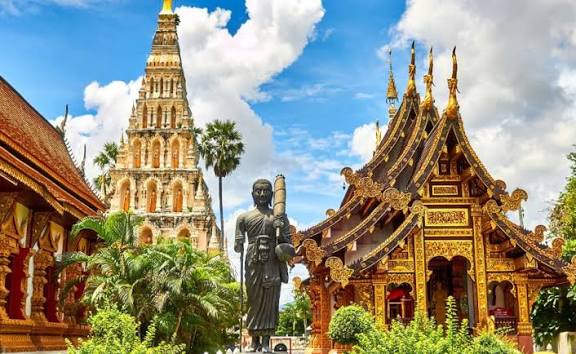
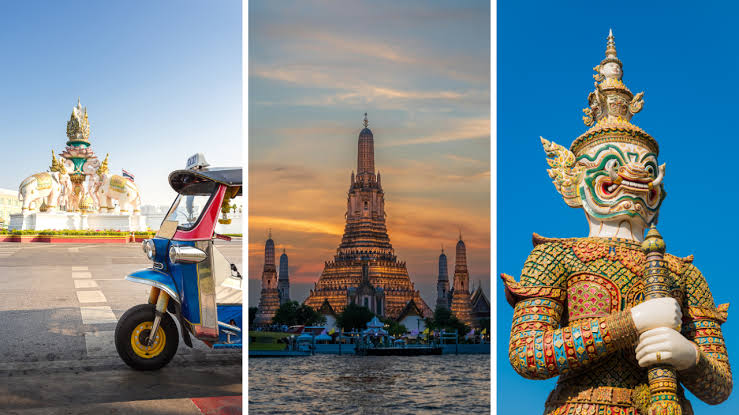
Industry observers say Bangkok’s lead stems from multiple factors: eased visa regimes, expanded air connectivity across Asia, a vibrant mix of cultural tourism and nightlife, and Thailand’s strong hospitality infrastructure. Euromonitor notes that visa relaxations and targeted tourism promotions contributed to the city’s recovery and robust visitor numbers.
Regional patterns: Asia Pacific leads growth
The 2025 data shows Asia Pacific outpacing other regions in year-on-year growth in international arrivals, driven by intra-regional travel and reopened borders. Beyond Bangkok, cities such as Hong Kong and Macao benefitted from renewed business and leisure travel, while Middle East hubs like Dubai and Mecca continued to draw large visitor flows for events and religious tourism.
Tourism’s evolving priorities
While sheer arrival numbers matter, analysts say the focus is shifting toward visitor value, sustainability and crowd management. Cities are balancing mass tourism with measures to protect local communities and infrastructure. Bangkok’s challenge now includes managing overtourism hotspots while improving mid-week and off-season visitor distribution.
What this means for India and Indian travellers
For Indian tourists and tourism businesses, the rankings underline both opportunity and competition. Southeast Asian connectivity, visa ease and cost advantages make cities like Bangkok popular standbys for Indian travellers. At the same time, India’s Ministry of Tourism continues to push outbound and inbound travel promotion through events such as WTM and schemes like Swadesh Darshan to elevate India’s visibility globally.
Experts weigh in
Market and industry reports emphasise the role of differentiated tourism products cultural routes, religious circuits, business events and leisure packages in driving arrivals. They add that strategic investments in safety, signage, hospitality training and sustainable infrastructure will determine which cities maintain long-term competitiveness.
Looking ahead
Euromonitor’s list is a snapshot of 2025’s travel landscape: an Asia-centric surge, the endurance of established European favourites like Paris and London, and the continuing importance of religious tourism in cities such as Mecca. As airlines and destinations adapt to shifting traveller preferences, next year’s rankings may reflect further movement in visitor distribution and the rise of secondary cities.