 Major Connectivity Push for Haryana
Haryana Chief Minister Nayab Singh Saini announced in the state Assembly that the 64-kilometre corridor has received alignment approval. Of this, nearly 52 kilometres will pass through Haryana, significantly strengthening the state’s urban transport network.
The proposed high-speed corridor will begin at IFFCO Chowk in Gurugram and move through key sectors including 29, 52, 57 and 61 before reaching Gwal Pahari. It will seamlessly integrate with the Delhi Metro’s Yellow Line, ensuring smoother travel for daily commuters.
Faridabad Route and Metro Integration
In Faridabad, the Namo Bharat corridor will pass through Sainik Colony and connect major urban pockets such as New Faridabad, NIT, Bata Chowk and Sectors 12 to 15. It will link with the Violet Line of the Delhi Metro, offering commuters better last-mile connectivity.
The corridor is also expected to integrate with Rapid Metro and Gurugram Metro systems, creating a unified and efficient public transport grid in the NCR.
DPR Preparation and Timeline
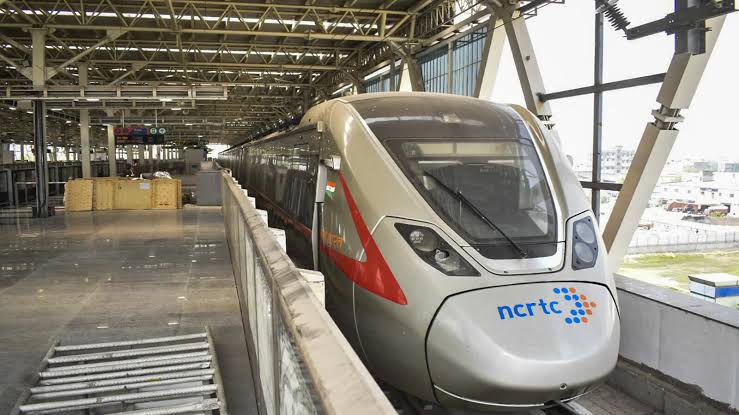
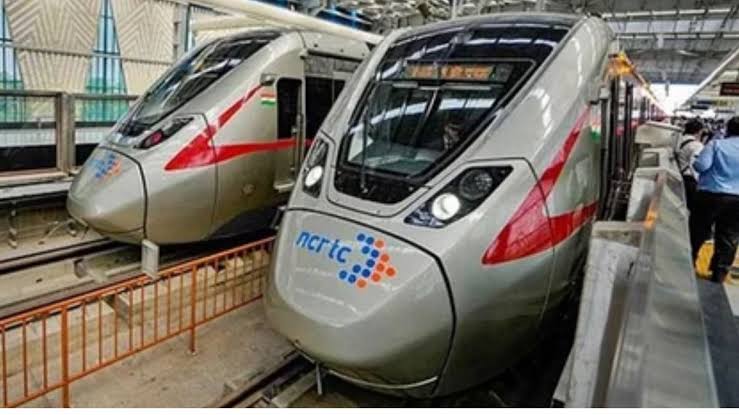
The Chief Minister stated that the Detailed Project Report (DPR) will be prepared shortly. The National Capital Region Transport Corporation (NCRTC), which is implementing the Namo Bharat RRTS network, has been instructed to move forward with the project planning.
Construction is expected to begin in December 2026. Officials estimate the project will take approximately four and a half years to complete once work commences.
Boost to Investment and Employment
According to the state government, the new corridor will not only reduce travel time between key economic centres but also generate significant employment opportunities during construction and operation phases.
The improved connectivity between Gurugram’s corporate hubs, Faridabad’s industrial areas and Noida’s commercial districts is expected to attract fresh investment to Haryana and adjoining regions.
Part of a Larger NCR Mobility Vision
The Namo Bharat RRTS project forms part of a broader strategy to modernise transport infrastructure across the NCR. High-speed regional transit corridors are designed to ease congestion, reduce pollution and promote sustainable urban growth.
With alignment approval now in place, the Gurugram–Faridabad–Noida corridor represents a significant milestone in Haryana’s infrastructure roadmap, promising faster, safer and more reliable travel for lakhs of commuters across the NCR.