Amid mounting tensions following the devastating Pahalgam terror attack that claimed 26 lives, India is bracing for a full-scale national security drill scheduled for May 7. These precautionary exercises, spanning 244 areas across the country, have been ordered by the Union Home Ministry in light of what it describes as “new and complex threats.” From bustling metros to border towns, preparations are underway to test the readiness of civil defence systems and ensure that citizens are well-informed and trained to respond to emergencies.
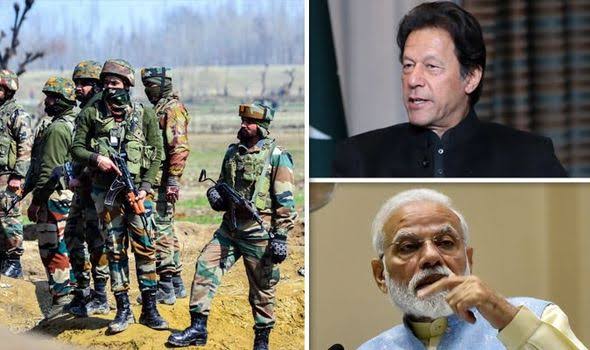
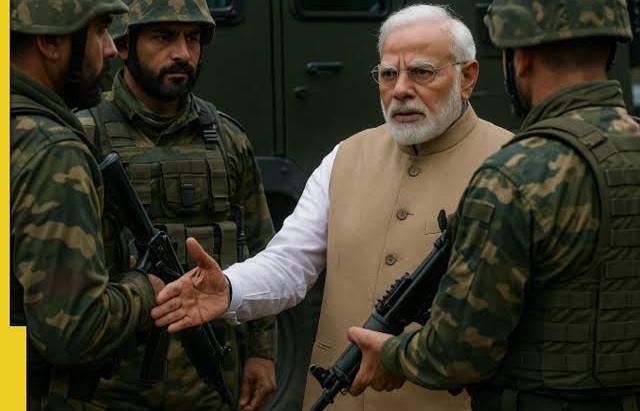
The drills, which include air raid warnings, evacuation protocols, and mock rescue operations, are designed not just as military or administrative routines but as a community-based effort to protect life. Civilians will be trained to take shelter, locate bunkers, and respond quickly in the event of an attack. In Jammu, for instance, students were seen ducking under desks in simulation exercises, while fire drills in Uttar Pradesh demonstrated coordinated responses involving police, fire departments, and disaster response forces.
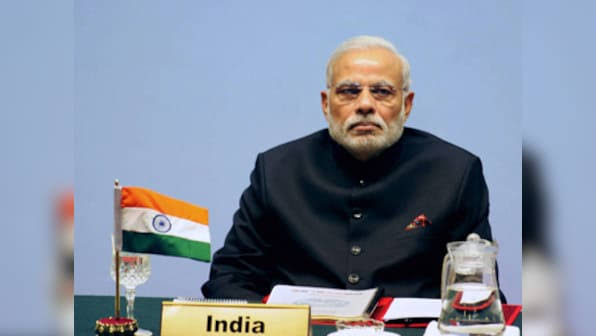
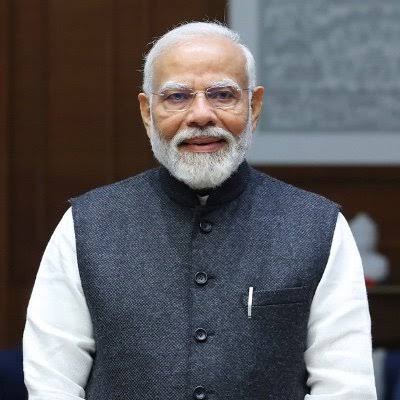
These preparations are taking place against a deeply emotional and politically charged backdrop. Prime Minister Narendra Modi met with National Security Advisor Ajit Doval to review the situation, reaffirming India’s resolve to bring the perpetrators of the Pahalgam attack to justice. The Prime Minister has vowed to pursue those responsible “to the ends of the earth” and deliver justice that would “go beyond their imagination.”
Emotions are running high across the nation. Congress leader Rahul Gandhi visited the family of Navy officer Lt. Vinay Narwal, one of the victims of the attack, saying, “Their bravery is a message that must echo across the world. The guilty must be punished so severely that no one dares to raise an eye at India again.”
Meanwhile, farmers near the Line of Control in Jammu and Kashmir are racing to harvest their crops amidst fears of further shelling. The anxiety is palpable. “We live in a danger zone. Every time shelling starts, we face death and destruction,” said Rakesh Kumar from Treva. His sentiment is echoed by many families who continue working in the fields under constant fear.
The situation has also triggered a crackdown on anti-national sentiments. In Assam, 43 individuals have been arrested for allegedly showing support for Pakistan after the attack, with state officials reiterating a zero-tolerance stance on such expressions.
Amid these developments, the diplomatic front remains tense. At the United Nations Security Council, Pakistan faced pointed questions over its ties to the Lashkar-e-Taiba group, widely believed to be behind the Pahalgam strike. However, as Congress MP and former UN diplomat Shashi Tharoor noted, the international body is unlikely to take sides or issue punitive resolutions, but will likely issue broad appeals for peace.
The human cost of this standoff is heavy. Families mourn, communities prepare, and the nation unites—grappling with the harsh reality of security threats while holding on to a collective spirit of resilience. As Jyoti Kothari, a former Home Guard who served during the 1971 war, poignantly said, “We stepped up then, and we are ready again. This is our country, and we will do whatever it takes to protect it.”
The upcoming drills are more than mere simulations—they are a reflection of the nation’s commitment to safeguarding its people and standing strong, even in times of uncertainty and grief.