GST Cuts Spark Festive Spending
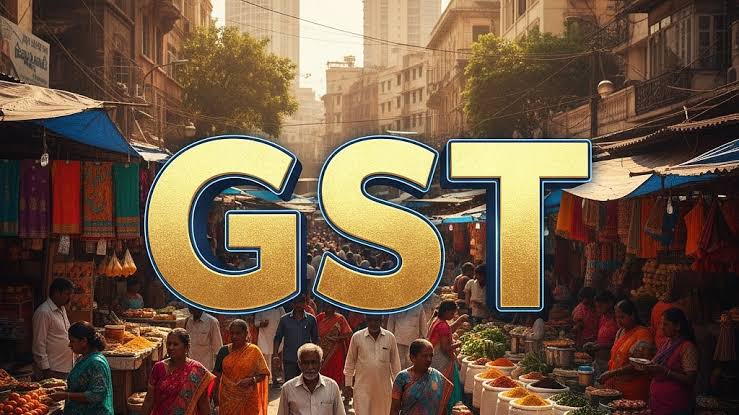
The Indian government’s rationalisation of GST rates lowered taxes on food, daily-use items, automobiles, cement, and white goods, while removing luxury and sin product cess except for tobacco. This move aimed to simplify taxation and encourage consumer spending, even with a short-term impact on revenue collections.
 Automobile Sales Hit Record Levels
Car manufacturers reported massive spikes in bookings. Maruti Suzuki received around 3.5 lakh bookings with 2.5 lakh pending, expecting to deliver 2 lakh vehicles by the end of Navratri, 2.3 times last year’s 85,000 deliveries. Mahindra & Mahindra saw a 60% jump in XUV700 and Scorpio N sales, while Hyundai Creta and Venue also experienced high demand.
White Goods and Consumer Electronics Boom
Household appliance sales soared as families upgraded their homes during the festival. Retailers reported growth ranging from 25% to 100% in various categories. Pent-up demand from earlier months, combined with more affordable pricing due to GST reductions, contributed significantly to the consumption surge.
Industry and Government Insights
Officials noted that simplifying GST slabs fostered a confident spending environment, turning festive cheer into record-breaking consumption. Companies reported strong month-over-month growth, with September transaction-based collections rising over 9%, marking the fastest pace in four months.
The GST move also encouraged businesses to pass tax benefits to consumers, making goods more accessible and further boosting spending during the 10-day festive period.