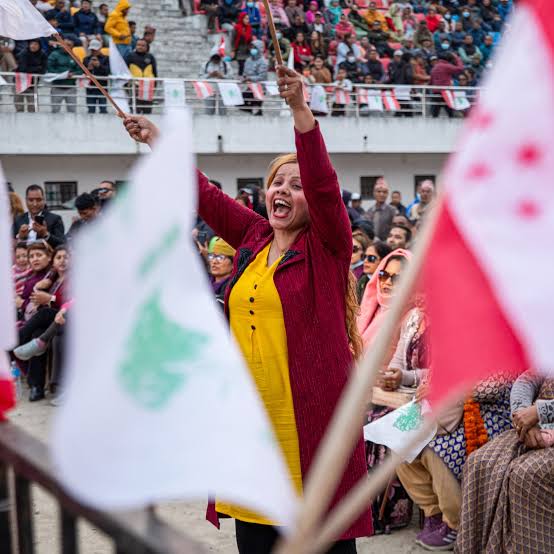
 Leaders Call It a Historic Responsibility
In a televised address to the nation, Interim Prime Minister Sushila Karki acknowledged that the election is being held during a “complex and sensitive” period in Nepal’s history. She appealed to citizens to exercise their democratic right responsibly.
“It is only with your active participation that our democracy will survive,” she said, urging voters to maintain peace and harmony throughout the election season.
President Ram Chandra Poudel also described the polls as a “historic duty,” calling on citizens to strengthen and consolidate the journey of the federal democratic republic.
Nearly 19 Million Voters, 800,000 First-Timers
According to election authorities, nearly 19 million people are eligible to vote in the Nepal Election 2026. Among them are approximately 800,000 first-time voters, reflecting a significant youth presence in the electoral process.
More than 3,400 candidates are contesting for 275 seats in the House of Representatives, the lower house of parliament. Notably, over 1,000 candidates are under the age of 40, highlighting a generational shift in Nepal’s political landscape.
Security Tightened Nationwide
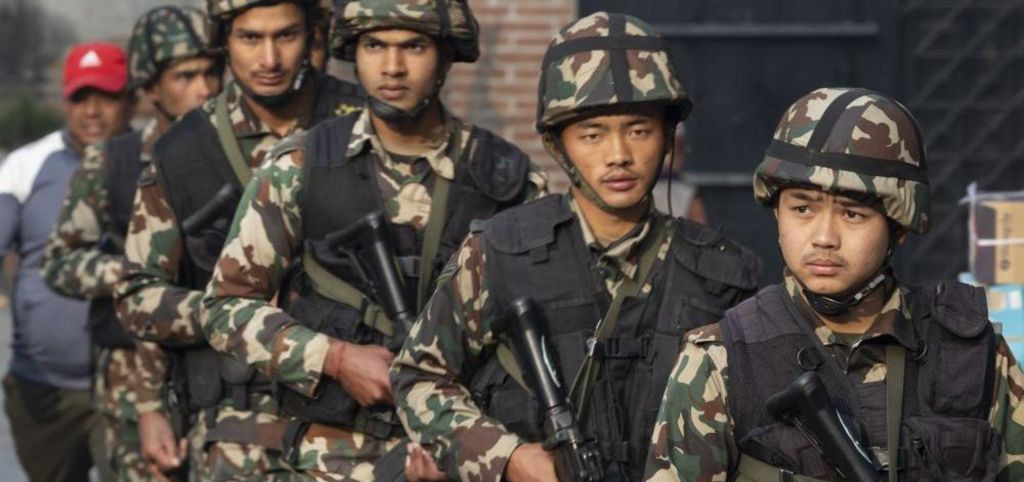
Security agencies across Nepal have been placed on high alert to ensure peaceful polling. Nepal Police has mobilised around 77,000 officers, along with 134,000 temporary election security personnel. The Nepali Army has also deployed nearly 80,000 troops nationwide.
Police confirmed that 133 individuals have been arrested on charges related to “anti-election activities.” As of Sunday evening, 70 remained in custody.
Controversial Arrest Sparks Debate
Among those detained ahead of polling day is Durga Prasai, a controversial political figure and medical entrepreneur. He has previously been arrested multiple times over the past two years on various charges.
Prasai coordinates a campaign advocating the restoration of Nepal’s monarchy and the re-establishment of the country as a Hindu kingdom. Authorities arrested him after he announced plans for protests targeting the election process.
His secretariat alleged that the arrest curtailed his right to peaceful expression, adding a layer of political tension ahead of the vote.
Backdrop of Youth-Led Protests
The Nepal Election 2026 follows dramatic events in September 2025, when youth-led protests erupted in Kathmandu and other cities. The demonstrations, driven by anger over corruption and perceived political dynasties, eventually led to the fall of the government.
Public frustration had been mounting over allegations of nepotism and governance failures. Many young voters now view the upcoming election as an opportunity to reshape Nepal’s political direction and break decades of perceived stagnation.
A Generational Shift in Politics
The high number of young candidates and first-time voters has turned this election into a generational contest. Observers say the outcome could redefine party structures and leadership dynamics.
Political analysts believe that youth participation will play a decisive role, particularly in urban constituencies where protests last year were most intense.
Regional Significance
Nepal’s political stability holds importance for the wider South Asian region, including India. As a close neighbour with deep cultural, economic and strategic ties, India is closely watching developments in Kathmandu.
What Lies Ahead
Officials have said that election activities have been conducted peacefully so far. Polling stations across the mountainous and plains regions are prepared to handle large voter turnout.
The Nepal Election 2026 is widely seen as a referendum on governance, accountability, and the future direction of the federal democratic system. As citizens head to polling booths, the world watches to see whether this “historic” vote will bring stability and renewed public trust.
The results are expected to shape Nepal’s political trajectory for years to come.