 NHRC Calls the Incident a Grave Violation of Human Rights
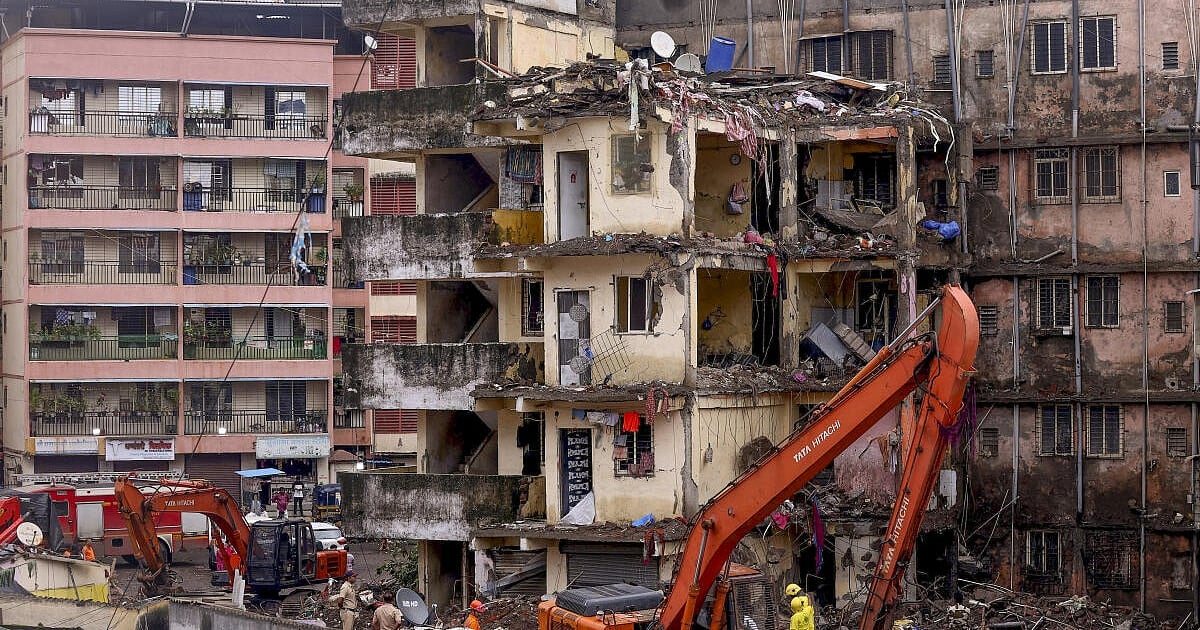
In a strongly worded observation, the NHRC noted that the reported details, if accurate, reveal a clear violation of the basic human rights of the victims. The Commission emphasized that labourers working in the construction industry are entitled to a safe working environment, lawful building procedures, and adequate protection against hazardous conditions.
Exposing labourers to an unsafe and unauthorized construction site, the NHRC indicated, reflects systemic failures and a lack of oversight by authorities responsible for enforcing building standards and labour safety regulations. The failure to secure proper permissions for constructing the building further adds a serious legal dimension to the case.
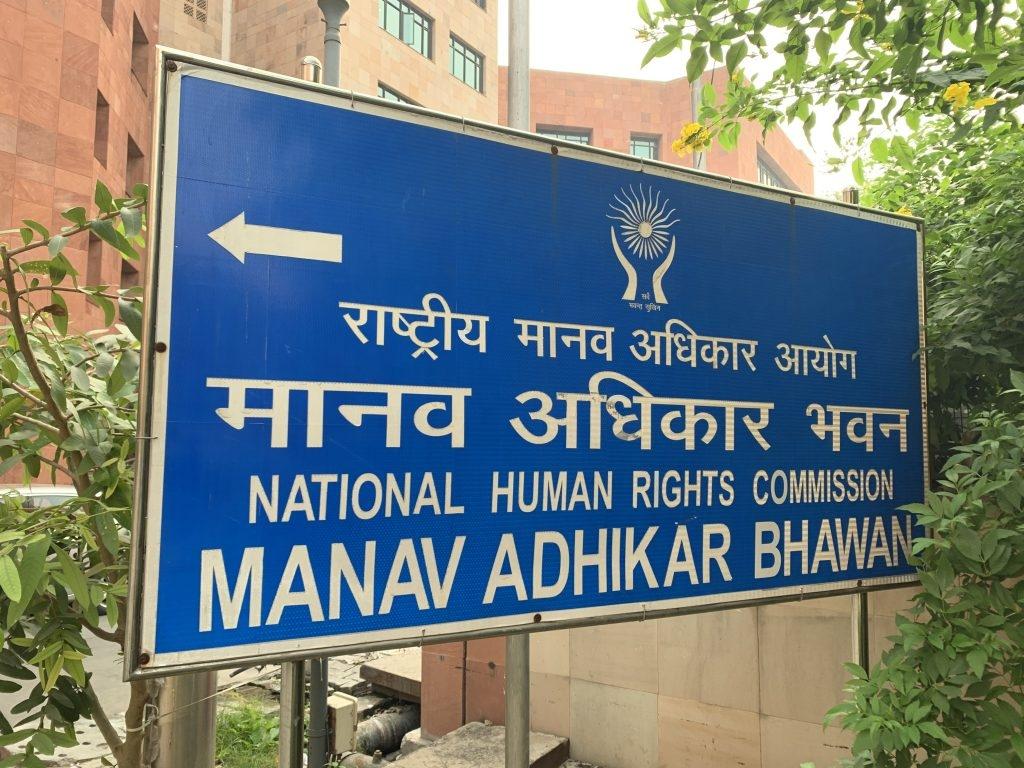
To ensure accountability, the NHRC has issued formal notices to the District Magistrate of Gautam Budh Nagar and the Commissioner of Police. The Commission has asked both authorities to furnish a comprehensive report within two weeks, detailing the circumstances leading to the collapse and the immediate steps taken thereafter.
Key Information Sought by NHRC
The notice specifically asks for updates on the health status of the injured labourers, several of whom were rushed to hospitals with serious wounds. The Commission also called for a full account of compensation provided to the next of kin of the deceased victims as well as to the injured.
Compensation, the NHRC noted, is not merely a financial remedy but an essential component of justice for families who lose their sole breadwinners in workplace tragedies. Migrant labourers, daily wagers, and construction workers often work without adequate insurance cover or safety mechanisms, leaving their dependents vulnerable. Ensuring timely compensation is therefore a critical responsibility of the state and local administration.
Additionally, the Commission has sought clarity on the status of the missing worker and whether a dedicated search-and-rescue operation was initiated promptly. Reports of a possible missing person suggest the collapse may have claimed more lives than initially confirmed.
Building Constructed Without Permission, Says Report
One of the most alarming revelations from the incident is that the building was allegedly being constructed without any official approval. Illegal constructions are a widespread problem in many regions, often driven by inadequate monitoring and weak enforcement of regulations.
Several such unauthorized structures bypass safety guidelines, use substandard materials, and are built by untrained contractors, placing both labourers and future occupants at enormous risk. Previous NHRC and court interventions have highlighted similar cases, urging stricter compliance with the National Building Code and local zoning laws.
The Jevar collapse is expected to reignite discussions on the need for tighter enforcement mechanisms and increased accountability for builders who flout regulations. Experts have also underscored the need for regular inspections, mandatory safety training for workers, and stronger legal consequences for unauthorized construction.
Broader Concerns Over Labour Safety in India
This incident adds to a growing list of accidents involving construction workers across the country. According to multiple labour studies, India records thousands of such accidents every year, many of them fatal, due to hazardous working conditions, lack of protective gear, and insufficient monitoring of construction activity.
While several laws such as the Building and Other Construction Workers (Regulation of Employment and Conditions of Service) Act mandate safety measures and welfare provisions, gaps in implementation continue to expose workers to life-threatening risks. The NHRC’s intervention in the Jevar case signals a push toward strengthening oversight and ensuring worker safety receives priority attention.