A Brutal Display of Vigilante Debt Recovery
In Narayanapuram village of Kuppam mandal, Chittoor district, Andhra Pradesh, a deeply disturbing incident unfolded. A woman was reportedly tied to a tree and beaten in public by a local moneylender. Her alleged crime: her husband failed to repay a ₹80,000 loan taken three years ago.
NHRC Acts Swiftly
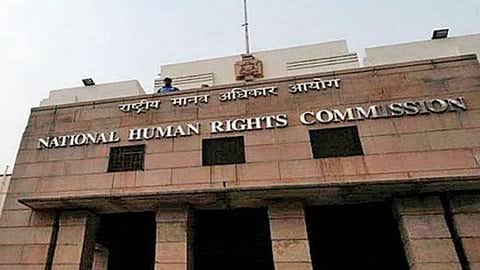
The National Human Rights Commission (NHRC) took suo motu cognizance of media reports that surfaced on June 17, 2025. It issued notices to the Chief Secretary and Director General of Police, Andhra Pradesh, seeking a detailed report within two weeks.
What Actually Happened
According to initial reports, the woman’s husband had borrowed money from multiple villagers and later fled the village, abandoning his wife and three children. The woman worked as a daily wage labourer and was reportedly paying the debts in small installments.
On June 16, the moneylender allegedly took matters into his own hands. He tied the woman to a tree in broad daylight and assaulted her. She was freed only after local residents intervened.
NHRC’s Strong Response
The NHRC called the act a gross violation of human rights and dignity. Publicly humiliating and assaulting a woman—especially one under economic stress—shows a complete breakdown of local justice and social protection.
“No person can take the law into their own hands,” the NHRC said in a statement. It warned that such incidents could set a dangerous precedent in rural debt collection.
What NHRC Has Demanded
The Commission asked the state for a comprehensive report covering:
-
Police action taken so far
-
FIR status and arrest of the accused
-
Victim and child protection measures
-
Preventive steps to avoid similar incidents
Not an Isolated Case
This is not the first case of loan-related violence in rural India. In many such villages, informal moneylenders often harass or intimidate women left behind by fleeing or migrating husbands.
Rural Women at Higher Risk
Women in India’s rural areas often face multiple vulnerabilities. When male family members abandon them, they face loan recovery threats, social shaming, and even physical violence.
This latest incident underscores the urgency of expanding legal support, financial literacy, and safe credit systems in rural areas.
Conclusion
The NHRC’s quick intervention offers a sliver of hope. But the incident is a stark reminder of the injustice and abuse many rural women face due to informal debt traps.
India’s growth must include grassroots reforms—from regulating informal lenders to creating village-level support systems for women. Until then, stories like this may continue to surface from neglected corners of the country.