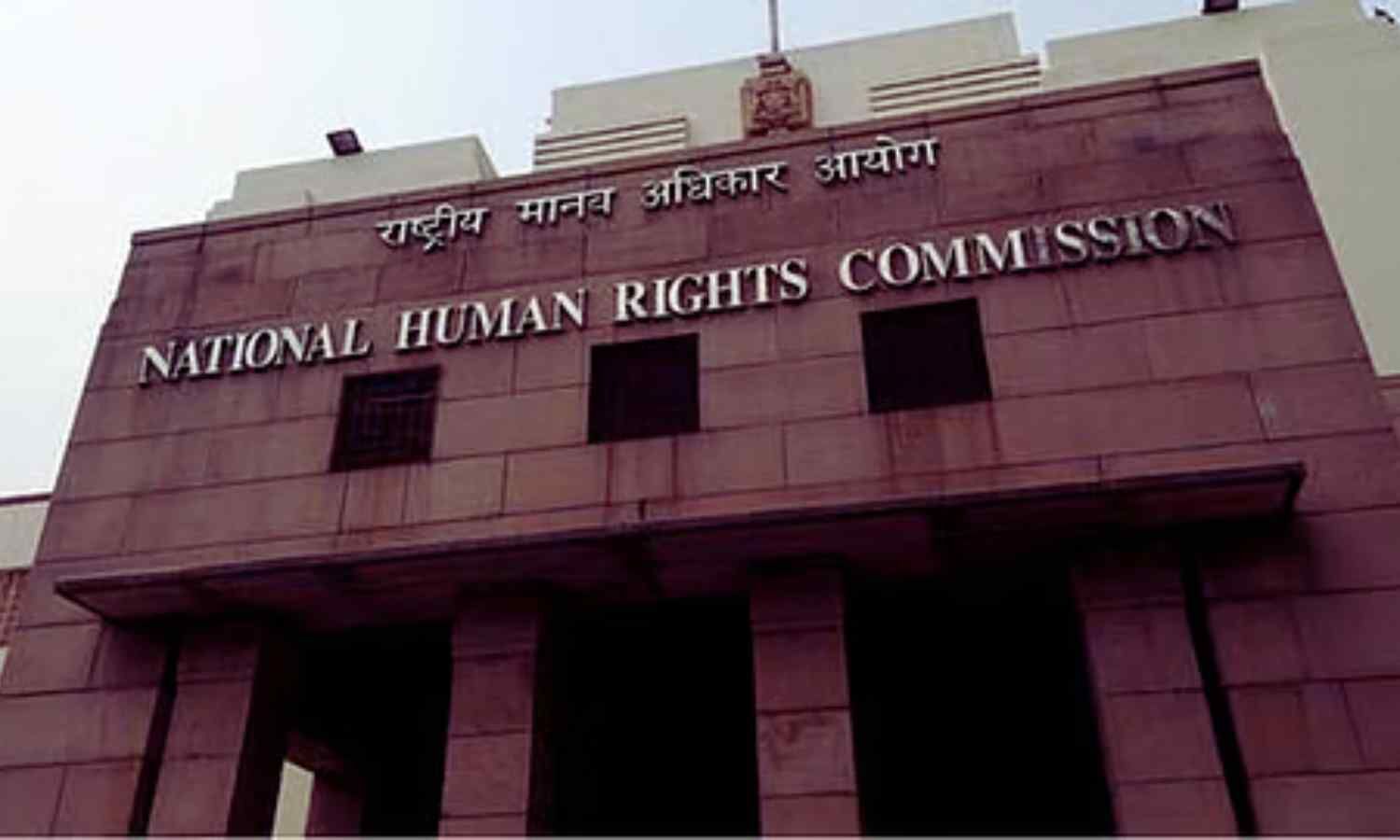
NHRC Steps In After Toxic Gas Leak Claims Two Lives in Andhra Pradesh
The National Human Rights Commission (NHRC) of India has taken suo motu cognizance of a disturbing incident that occurred at an effluent waste treatment plant in Anakapalli district of Andhra Pradesh. The tragedy, which unfolded on the night of June 11, 2025, reportedly claimed the lives of two workers and left another seriously injured after they inhaled poisonous gas during their shift.
According to initial media reports, the toxic gas leak happened during the waste treatment process at a pharmaceutical company. The workers collapsed after exposure, raising immediate concerns over the plant’s safety protocols.
 NHRC Issues Notice to Andhra Government Officials
The NHRC has acted swiftly by issuing notices to the Chief Secretary of Andhra Pradesh and the Superintendent of Police, Anakapalli. The commission has requested a detailed report within two weeks, seeking clarification on several key points:
-
The current medical status of the injured worker
-
Details of compensation (if any) offered to the families of the deceased
-
The steps taken by authorities and the company to prevent such incidents
The Commission emphasized that, if true, the negligence and lack of safety measures involved would amount to a violation of the victims’ human rights.
Industrial Accidents: A Persistent Risk
Unfortunately, this is not an isolated case. India has witnessed multiple industrial mishaps involving hazardous materials over the past decade. According to data from the Ministry of Labour and Employment, over 600 workers lost their lives due to industrial accidents between 2020 and 2023.
The Bhopal Gas Tragedy in 1984 remains the most infamous example, but recent cases—like the Vizag LG Polymers leak in 2020—reveal that lessons remain unlearned.
Need for Stronger Safety Norms and Worker Protection
This tragic incident raises several important questions:
-
Were standard operating procedures (SOPs) in place for waste treatment?
-
Did the company train employees properly for hazardous situations?
-
Is there regular oversight or audit by pollution control or industrial safety boards?
Without transparency and strong enforcement, the risks will continue. The NHRC’s involvement signals a growing concern over accountability in industrial settings.
Justice for Victims: What Happens Next?
For the families of the deceased and the injured survivor, justice must come in the form of:
-
Timely compensation
-
Medical care and rehabilitation support
-
Legal action against those responsible for lapses
-
Policy reform to prevent future mishaps
It’s now up to the Andhra Pradesh government to respond transparently and take corrective action.
Conclusion: Time to Prioritize Human Rights Over Profits
As India pushes for industrial growth, worker safety and human rights must not be sidelined. The tragedy in Anakapalli serves as a stark reminder of the fragile line between productivity and protection.
While the NHRC’s intervention is a step forward, the larger goal must be systemic change — stricter inspections, accountability for negligence, and above all, respect for human life.