 Strategic Framework and Key Highlights
The report lays out a strategic roadmap for streamlining apprenticeships through a common digital platform and introduces an Apprenticeship Engagement Index to benchmark performance across states and sectors. It emphasizes empowering District Skill Committees to act as nodal implementation anchors, ensuring that apprenticeships are effectively managed at the local level.
Another critical recommendation focuses on deepening participation of Micro, Small and Medium Enterprises (MSMEs) through cluster-based consortia and community networks, ensuring broader access to apprenticeship opportunities.
Policy Pillars and Action-Oriented Recommendations
The NITI Aayog report categorizes its 20 actionable recommendations into five interlinked pillars:
- Policy and systemic reforms: Streamlining apprenticeship laws and guidelines to align with global best practices.
- Structural and regulatory strengthening: Ensuring robust compliance mechanisms and monitoring frameworks.
- State and district-specific interventions: Tailoring programs to local industrial needs and workforce requirements.
- Industry and employer engagement: Promoting active participation of enterprises and MSMEs.
- Apprentice and aspirant support: Providing career guidance, mentorship, and skill-building resources to apprentices.
The report also includes a compendium of best practices from Indian states, industry leaders, and international examples, offering a roadmap to enhance both the quality and scale of apprenticeship initiatives.
Voices from NITI Aayog
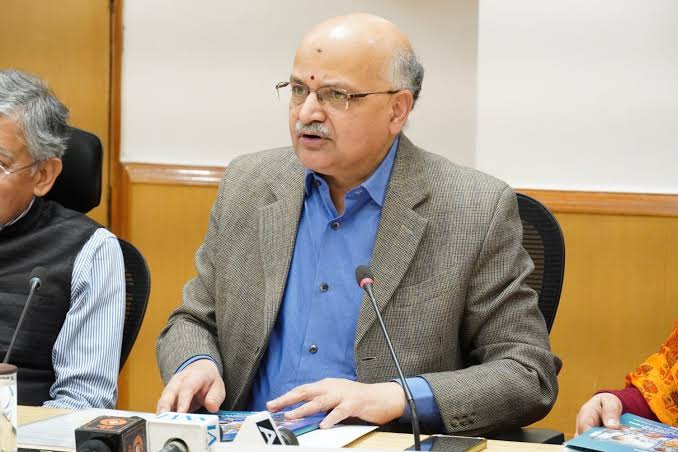
Dr. Arvind Virmani highlighted the central role of apprenticeships in shaping a skilled, productive, and future-ready workforce. He noted that as India progresses toward its vision of Viksit Bharat @2047, skilling initiatives must expand in both scale and quality to meet youth aspirations and economic demands.
Shri B.V.R. Subrahmanyam emphasized that revitalizing apprenticeships will not only enhance employability but also drive productivity and innovation across enterprises. He added that the report provides a robust framework for aligning India’s apprenticeship initiatives with global best practices, ensuring benefits for both industry and youth.
Impact on Indian Workforce and Economy
The report positions apprenticeships as a strategic investment in human capital and national competitiveness. By leveraging digital platforms, district-level governance, and industry engagement, the initiative aims to create a dynamic and inclusive apprenticeship ecosystem that enhances skill development, supports MSMEs, and strengthens India’s economic growth trajectory.
Experts believe that the successful implementation of the recommendations could lead to increased employment opportunities, higher productivity in enterprises, and a stronger alignment between industry needs and youth skills.