 Nitish Kumar’s Long Political Journey
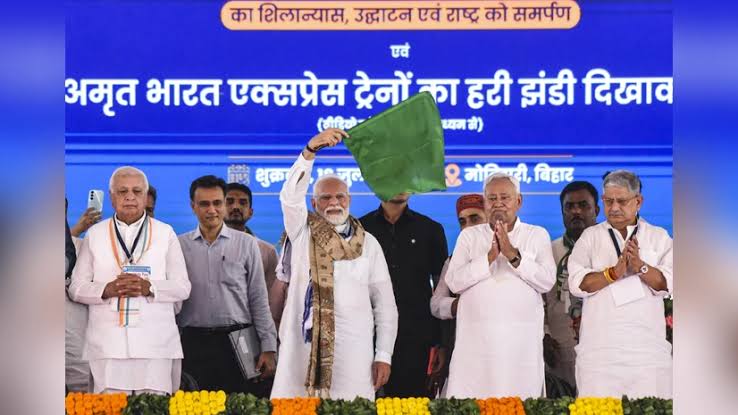
Nitish Kumar has been one of the most influential political leaders in Bihar for over two decades. Having recently turned 75, he took oath for a record tenth term as chief minister in November after leading the NDA to a sweeping victory in the state assembly elections.
Over the years, Kumar has played a crucial role in shaping Bihar’s governance and development agenda. His tenure has been associated with improvements in infrastructure, law and order, and social welfare initiatives that aimed to transform the state’s economic and social indicators.
In a message posted on social media platform X, Kumar expressed gratitude to the people of Bihar for their continued support. He said their trust had enabled him to serve the state with dedication and commitment.
“A Desire in My Heart”
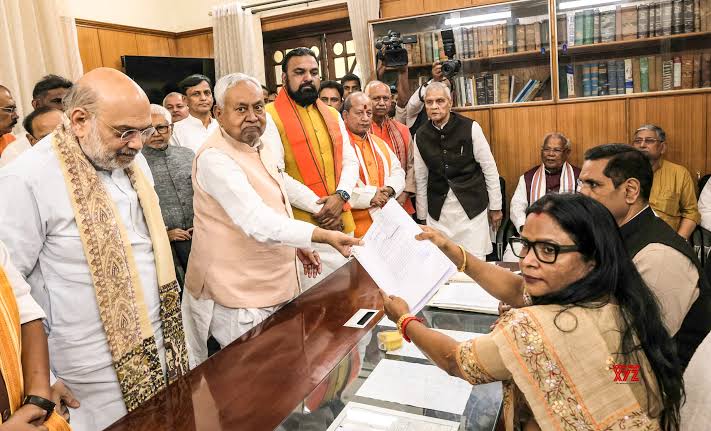
Explaining his decision to contest the Rajya Sabha election, Nitish Kumar said it had long been his aspiration to serve as a member of both Houses of the Bihar Legislative Assembly and both Houses of Parliament.
“From the very beginning of my parliamentary journey, I have harboured a desire to become a member of both Houses of the Bihar Legislative Assembly as well as both Houses of Parliament,” he wrote in his post.
Kumar also assured the public that his decision to move to Parliament would not weaken his commitment to the state. He said he would continue to guide the government and work alongside people to build a more developed Bihar.
According to political observers, the decision reflects both personal ambition and a strategic shift within the NDA’s leadership structure in the state.
Possible Leadership Change in Bihar
Nitish Kumar’s move to the Rajya Sabha opens the door for a major leadership change in Bihar. If he formally vacates the chief minister’s post, the BJP could appoint its own leader as chief minister for the first time in the state.
Senior BJP leaders are already being discussed as potential successors. Among the names widely mentioned are Bihar Deputy Chief Minister Samrat Choudhary and Union Minister Nityanand Rai. Both leaders are considered strong contenders within the alliance.
Political analysts say the transition is being carefully managed within the NDA to ensure stability ahead of the next electoral cycle.
Speculation Around Nishant Kumar
Another aspect of the political developments involves speculation about the possible political entry of Nitish Kumar’s son, Nishant Kumar. While he has largely stayed away from active politics so far, discussions have intensified about his future role.
Some leaders within the alliance believe he could enter public life in the coming months. However, there has been no official confirmation regarding his role or position.
Reports have suggested that he could potentially be considered for a key position in the state government, though alliance leaders have refrained from making any public commitments.
Timing of the Rajya Sabha Entry
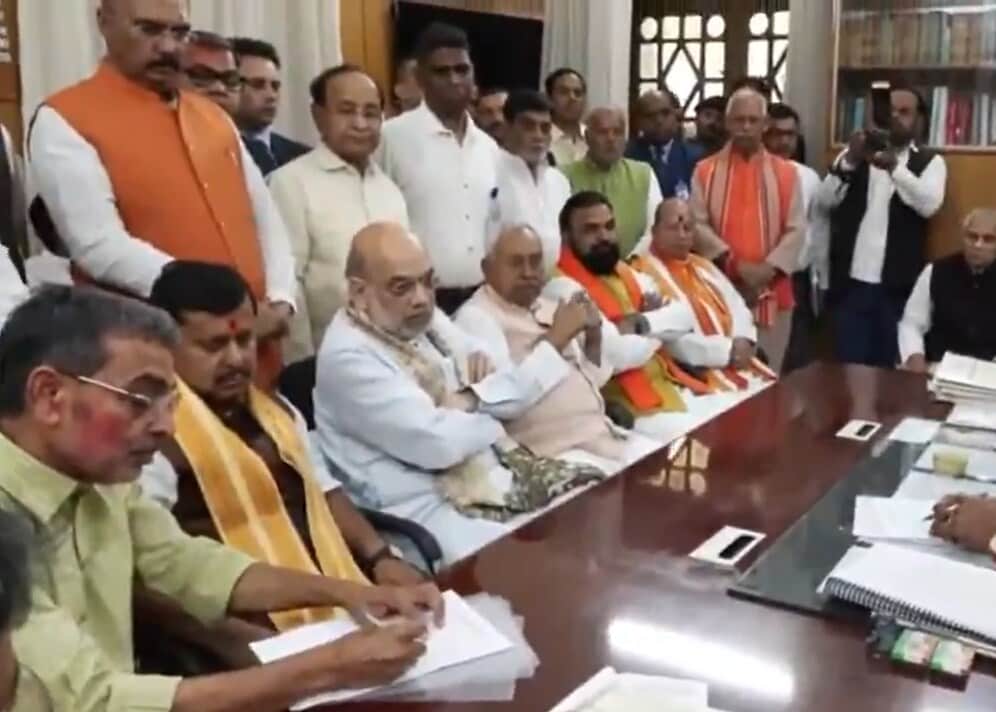
Nitish Kumar is expected to formally enter the Rajya Sabha once the new term begins after April 9, when several outgoing members complete their tenure. The timeline provides the NDA with a window to organise a smooth transition in Bihar’s leadership.
Leaders within the alliance believe the move allows a new administrative team to settle in well before the next round of political challenges.
For the BJP, the transition could also represent an opportunity to strengthen its organisational presence in the state.
Political Significance for the NDA
Nitish Kumar has been a key ally of the BJP and an important pillar of the NDA’s political strategy in eastern India. His move to the Rajya Sabha is being viewed as a carefully calibrated decision aimed at maintaining alliance unity while facilitating leadership renewal in Bihar.
The coming weeks will be crucial as the alliance decides on the next chief minister and prepares for the next phase of governance in the state.
For Bihar’s politics, the shift marks the end of an era in which Nitish Kumar served as the central figure in the state’s political narrative. However, his continued presence in Parliament indicates that he will remain an influential voice in national politics.