 Deadly Clashes Trigger Temporary Truce
Tensions escalated sharply earlier this week after overnight clashes erupted near the Spin Boldak region in Afghanistan’s Kandahar province, resulting in heavy casualties. According to the UN Assistance Mission in Afghanistan (UNAMA), at least 17 people were killed and over 300 injured during the fighting.
Following international pressure, both countries agreed to a 48-hour ceasefire starting Wednesday evening. The Pakistani foreign ministry confirmed that the truce was initiated “at Kabul’s request,” while Afghan Taliban spokesperson Zabihullah Mujahid claimed it was implemented “on Pakistan’s insistence.”
Despite the ceasefire, security officials in Peshawar said paramilitary forces remain on high alert along the border, with reinforcements deployed to deter renewed hostilities. No fresh incidents were reported overnight, indicating that the truce was largely holding.
Root Cause: Pakistan’s Allegations Against Kabul
The conflict stems from Pakistan’s long-standing accusation that Afghanistan serves as a safe haven for the Tehreek-i-Taliban Pakistan (TTP) — an outlawed militant group responsible for numerous attacks inside Pakistan. Islamabad alleges that TTP fighters plan assaults from Afghan territory, while Kabul denies these charges, saying it does not allow its land to be used against other nations.
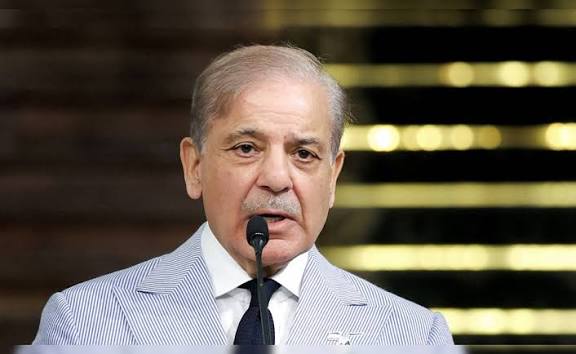
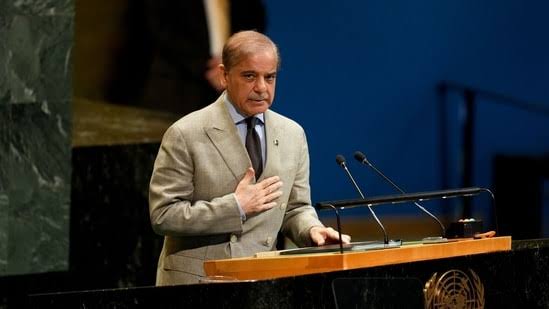
PM Sharif reiterated this position, insisting that the Afghan Taliban must ensure no militant groups operate within their borders. “We demand that the Afghan government act against the Pakistani Taliban, who continue to attack our forces,” he said.
Clashes Expose Fragile Bilateral Ties
The recent hostilities have further strained relations between Islamabad and Kabul, already under pressure due to cross-border militancy and refugee issues. The clashes mark the second major confrontation between the two countries in less than a week.
Observers say that while both governments have publicly committed to peace, deep mistrust persists. “The ceasefire is only a temporary relief,” said a South Asia analyst quoted. “Pakistan wants concrete action against the TTP, while the Taliban seeks recognition and financial support amid international isolation.”
Ceasefire Holding but Fragile
Officials in both northern and southern border regions told AFP that no fresh firing was heard on Thursday, and the truce remained in effect. However, they warned that even a minor provocation could reignite hostilities.
Pakistani security forces have bolstered defenses in several sectors, including Chaman and Torkham, to prevent infiltration. Meanwhile, Afghan authorities have reinforced checkpoints to maintain control and avoid escalation.
The two sides are expected to review the ceasefire after 48 hours. Diplomatic sources indicate that Islamabad may send a delegation to Kabul if the situation remains stable, in hopes of negotiating a longer-term peace mechanism.
Regional Impact and International Concern
The United Nations and regional partners have urged restraint. The UNAMA called on both nations to protect civilians and ensure humanitarian access in border areas affected by shelling. International observers fear that continued instability could disrupt trade routes and worsen the humanitarian situation in southern Afghanistan.
For now, Pakistan’s message is clear — the next move lies with the Taliban leadership. As PM Sharif put it, “Peace will only prevail if Afghanistan stops militants from using its territory against us. The ball is in their court.”