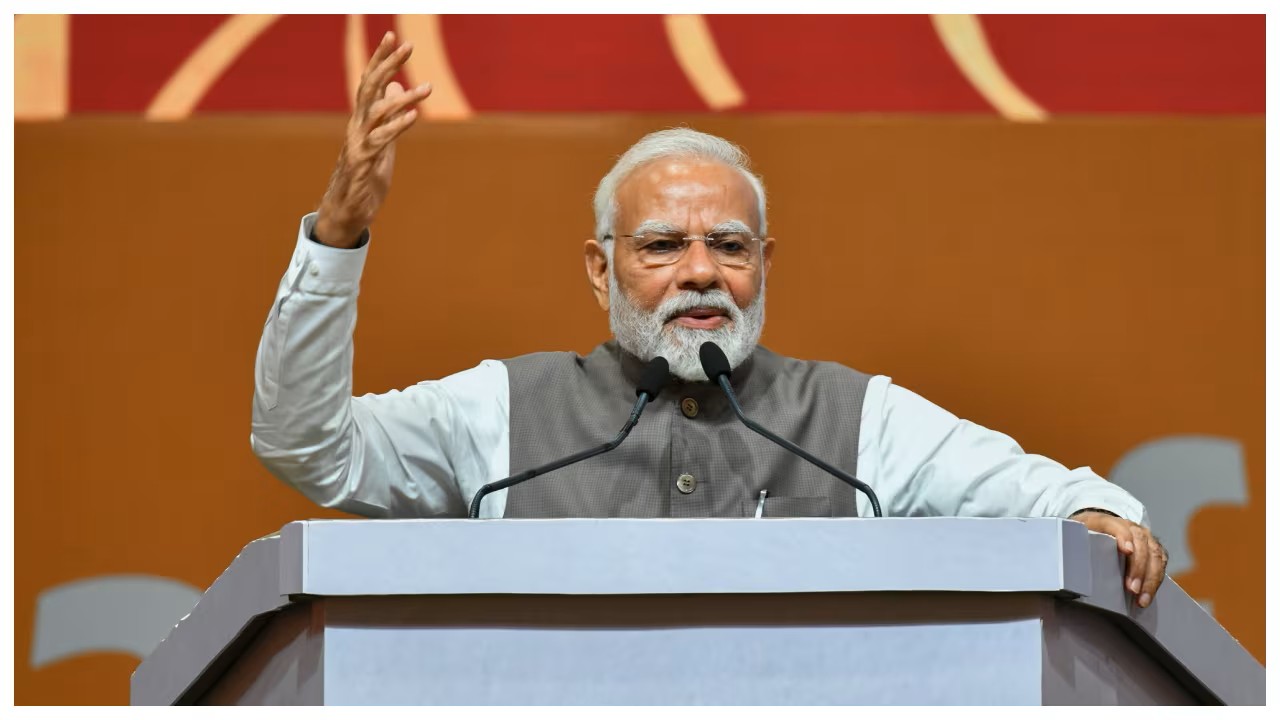
Prime Minister Narendra Modi is scheduled to lay the foundation stone for a much-awaited three-lane bridge over the Ganga river on May 30, marking a pivotal moment in the development of infrastructure in the Buxar region. The ceremony, which will take place from Bikramganj, brings with it a wave of optimism for people living in both Bihar and Uttar Pradesh, as the new bridge promises to significantly improve connectivity between the two states.
The bridge, which will connect Buxar in Bihar to Bharauli in Uttar Pradesh, will be the fourth to span the sacred Ganga in this region. Currently, Buxar relies on two older two-lane bridges—one of which is now restricted to light vehicles only. The new bridge will introduce a dedicated route for heavy vehicles, which is expected to ease existing congestion and promote smoother traffic flow.
The project has been assigned to a Ghaziabad-based company and comes with an estimated cost of ₹531 crore. According to officials, it is expected to be completed in about two and a half years. Spanning 3.2 kilometers in total, the bridge will feature a 1.2-kilometer stretch directly over the river, supported by 40 pillars—eight of them within the river itself, and the rest on land. On the Uttar Pradesh side, a 2-kilometer-long elevated rotary will be constructed near the Bharauli roundabout to ensure seamless merging with local roads and National Highway-922.
This initiative is not just about building a bridge—it’s about strengthening the arteries of regional development. The new link will integrate with the under-construction Buxar–Bharauli–Karimuddinpur greenfield four-lane highway and connect directly to the Purvanchal Expressway. This alignment will reduce travel time between Patna, Buxar, and the Purvanchal region, opening new avenues for trade, transit, and tourism.
For the people of Buxar and adjoining districts, who have long contended with inadequate infrastructure and traffic snarls, this project offers a sense of progress and long-overdue recognition. The promise of better connectivity also brings the hope of economic upliftment, particularly for local businesses and communities that rely on efficient transport links.
State road construction minister Nitin Nabin, who is also the in-charge minister for Buxar, has expressed confidence that the project will not only enhance mobility but also transform the socio-economic landscape of the region. His sentiments were echoed by local leaders and residents who view this development as a major step forward.
The foundation-laying ceremony on May 30 is expected to be a symbolic and emotional occasion—one that highlights the importance of inclusive growth and the role of robust infrastructure in building a better future for all.