India-Japan Annual Summit in Tokyo
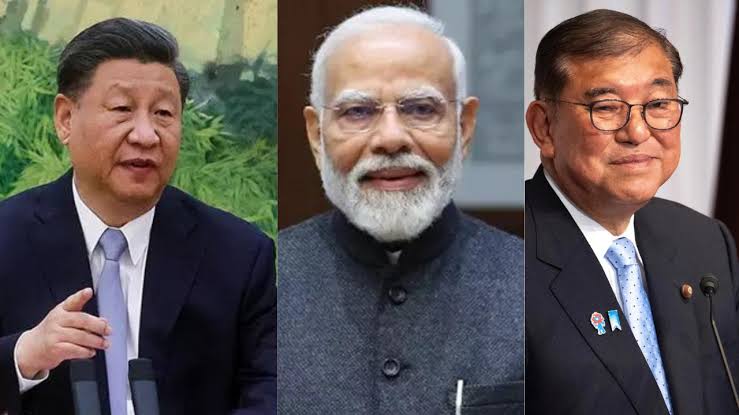
Modi will begin his tour in Japan on August 29-30, where he will attend the 15th India-Japan Annual Summit. This will be his first meeting with Japan’s newly elected Prime Minister Shigeru Ishiba. The discussions are expected to reinforce the Special Strategic and Global Partnership that the two nations share.
Key areas of cooperation will include defence and security collaboration, trade and investment, technology and innovation, and cultural exchanges. The leaders are also likely to discuss regional stability in the Indo-Pacific, with emphasis on maritime security and supply chain resilience.
Japan has been a vital partner in India’s infrastructure and digital innovation projects, with major collaborations under initiatives like ‘Make in India’ and clean energy development.
 PM Modi’s SCO Summit in China
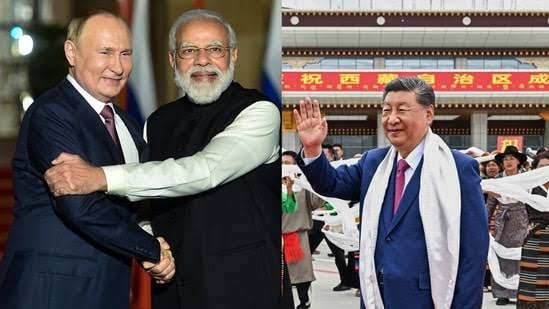
Following the Japan leg, Modi will travel to Tianjin, China, on August 31 for the Shanghai Cooperation Organisation (SCO) Summit. The summit, hosted by President Xi Jinping, is expected to be one of the largest gatherings in SCO’s history, with nearly 20 world leaders scheduled to attend.
India has been a member of the SCO since 2017 and held its presidency during 2022-23. The Tianjin summit will provide India an opportunity to present its views on regional security, counterterrorism, economic integration, and sustainable development. Modi is also expected to hold bilateral meetings with leaders from Central Asia, Russia, and other participating nations.
According to officials, the summit will focus on strengthening regional cooperation amidst growing geopolitical uncertainties. China has described the event as a landmark gathering to chart new pathways for collaboration.
Strategic Importance of the Visit
Analysts believe this tour reflects India’s strategy of balancing bilateral relations with major powers while actively engaging in multilateral frameworks. The back-to-back engagements in Japan and China also highlight Modi’s efforts to push for a more connected Asia, while safeguarding India’s interests in sensitive areas like border security and economic corridors.
Beyond geopolitics, Modi’s meetings are expected to open doors for investment opportunities, joint defence projects, and digital technology partnerships. These developments could have long-term benefits for India’s economic growth and global positioning.
As the world watches, the outcomes of this visit will signal India’s diplomatic priorities ahead of the upcoming G20 and other major international forums.