 Phased Expansion of Rural Connectivity
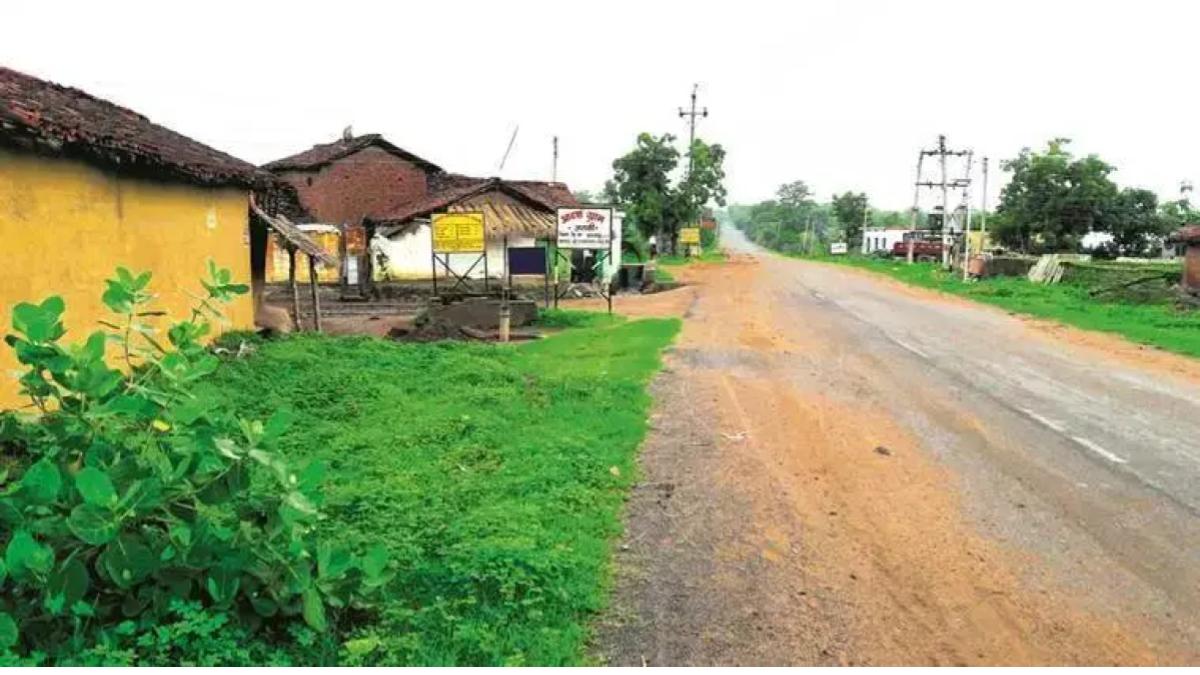
PMGSY Phase I, launched in 2000, laid the foundation by connecting eligible unconnected habitations to nearby towns and service centres. Under this phase, road connectivity projects were sanctioned for more than 1.63 lakh rural habitations, significantly reducing physical isolation in remote regions.
Phase II, introduced in 2013, shifted focus from expansion to consolidation. It prioritised the upgradation of economically important rural routes linking markets, production centres, and growth hubs, thereby strengthening rural supply chains and improving transport efficiency.
In 2016, the Road Connectivity Project for Left Wing Extremism Affected Areas (RCPLWEA) was launched to address infrastructure gaps in 44 severely affected districts across nine states. Beyond improving civilian mobility, the initiative enhanced security force movement while supporting socio-economic development in underserved regions.
PMGSY-III and the Push for Economic Integration
PMGSY Phase III, launched in 2019, marked a strategic shift towards strengthening through routes and major rural links. Out of the targeted 1.25 lakh kilometres, 1,22,393 kilometres have been sanctioned and 1,01,623 kilometres constructed as of December 2025, achieving over 83 percent completion.
These upgraded corridors connect villages to agricultural markets, higher secondary schools, healthcare institutions, and Gramin Agricultural Markets (GrAMs), facilitating better price realisation for farmers and improved access to essential services.
PMGSY-IV: The Last-Mile Mission
Approved in 2024, PMGSY Phase IV aims to provide all-weather connectivity to 25,000 unconnected habitations between 2024–25 and 2028–29. The phase proposes construction of 62,500 kilometres of roads with an outlay of Rs 70,125 crore.
The phase prioritises special category areas, including tribal regions, aspirational districts, desert areas, and North-Eastern and Himalayan states, using Census 2011 population criteria to ensure equitable development.
Technology, Transparency and Quality Assurance
PMGSY’s success has been reinforced by robust digital monitoring mechanisms. The Online Management, Monitoring and Accounting System (OMMAS) enables real-time tracking of physical and financial progress, while the e-MARG platform ensures performance-based maintenance during the five-year defect liability period.
GPS-enabled vehicle tracking, mandatory since 2022 for PMGSY-III works, enhances transparency in construction processes. A three-tier quality monitoring system field checks, state inspections, and national audits ensures durability and adherence to technical standards.
Sustainable materials such as waste plastic, fly ash, bio-bitumen, and cold mix technologies have been deployed in over 1.24 lakh kilometres of roads, strengthening climate resilience while reducing environmental impact.
A Cornerstone of Rural Transformation
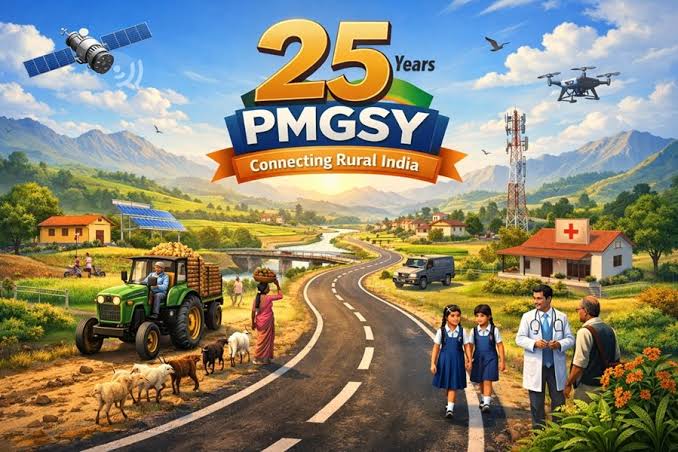
As PMGSY completes 25 years, its impact extends far beyond road construction. The programme has reshaped rural mobility, strengthened market integration, expanded access to health and education, and supported poverty reduction through improved livelihoods.
Backed by a Rs 19,000 crore allocation in the Union Budget 2025–26, PMGSY remains central to India’s inclusive development agenda.