From Coimbatore to the Countryside
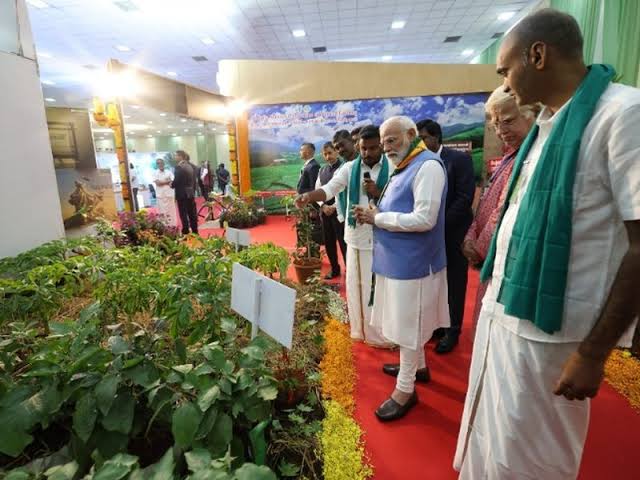
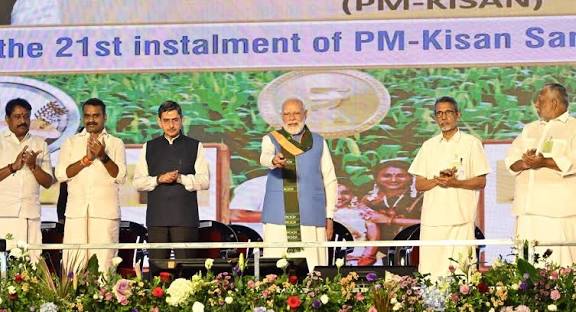
Recalling his visit to Coimbatore on November 19, Mr Modi said conversations with local farmers and practitioners reinforced his belief that natural farming can boost sustainability and farmer incomes. He invited citizens to read his full reflections on LinkedIn titled “India and natural farming… the way ahead!” and urged action at grassroots level.
 What Natural Farming Means for India
Natural farming sometimes referred to in India as Zero Budget Natural Farming (ZBNF) or Bhartiya Prakritik Krishi emphasises minimal dependence on synthetic inputs, improved soil health, and locally produced bio-inputs. The Government of India has been promoting natural and organic practices through dedicated missions and schemes aimed at restoring soil fertility, reducing costs for farmers, and improving quality of produce.
National Support and Ongoing Missions
The National Mission on Natural Farming and related initiatives provide technical support, training, and cluster-based adoption models to scale up practices nationally. Central programmes such as Paramparagat Krishi Vikas Yojana (PKVY) have long supported organic and natural farming clusters, offering financial and technical assistance to farmers who transition away from chemical-intensive agriculture.
Benefits and Farmer Experiences
Proponents of natural farming point to multiple benefits lower input costs, improved soil carbon and water retention, and better resilience to climate stress. At the Coimbatore summit, farmers shared local success stories that, according to the Prime Minister, showcased practical pathways for scaling natural techniques across diverse agro-climatic zones. These field-level experiences are central to government plans to promote cluster-based expansion.
Technology, Credit and Market Linkages
The government has also emphasised creating market linkages, facilitating institutional credit, and supporting farmer access to premium markets for chemical-free produce. Officials point to initiatives to expand Kisan Credit Card coverage and integrate natural farming producers into government procurement and export channels measures intended to make sustainable farming financially viable.
Scaling Up: Clusters, Krishi Sakhis and Capacity Building
Implementation at scale typically relies on creating natural farming clusters, training local resource persons, and deploying community facilitators often called Krishi Sakhis in several states to work with women farmers and self-help groups. These grassroots mechanisms help spread best practices and ensure local adaptability of farming models, a consistent theme at the Coimbatore discussions.
Challenges and the Road Ahead
While momentum for natural farming is growing, experts say challenges remain: ensuring consistent yields during transition years, developing affordable bio-input supply chains, and establishing reliable market premiums for organic produce. The Prime Minister’s call aims to focus public attention and administrative effort on these bottlenecks, encouraging states, research institutions and farmer groups to collaborate.
Policy Signals and Citizen Call
By publishing his reflections on LinkedIn and sharing them widely, the Prime Minister sent a policy and public signal that natural farming is a national priority. The outreach complements state-level pilots and central schemes that together aim to mainstream low-input sustainable agriculture across India’s varied farming landscapes.