 Global Vision for Indian Sports
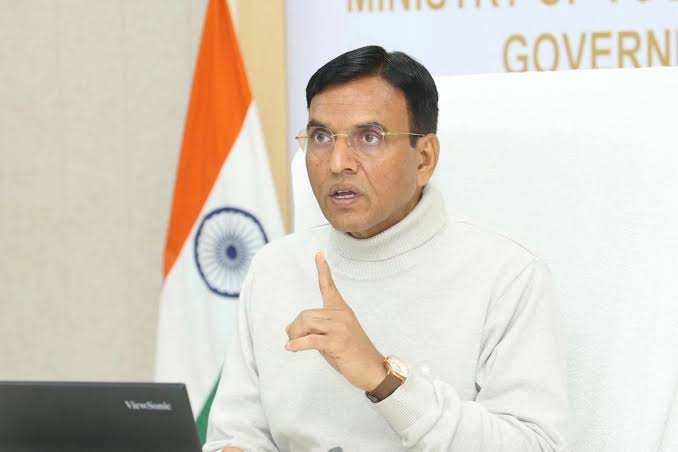
Speaking at the inauguration of the two-day conference, Dr Mandaviya said India is firmly on the path to becoming a global sports powerhouse. He highlighted initiatives such as Khelo India, expansion of sports infrastructure, and the growing use of technology and sports science as key drivers of this transformation.
“Our focus is on grassroots development and building strong pathways for young athletes. But talent alone is not enough. We must invest equally in educating and empowering our coaches, who shape athletes over the long term,” the minister said, adding that international collaboration plays a crucial role in this process.
Knowledge Exchange at a National Scale
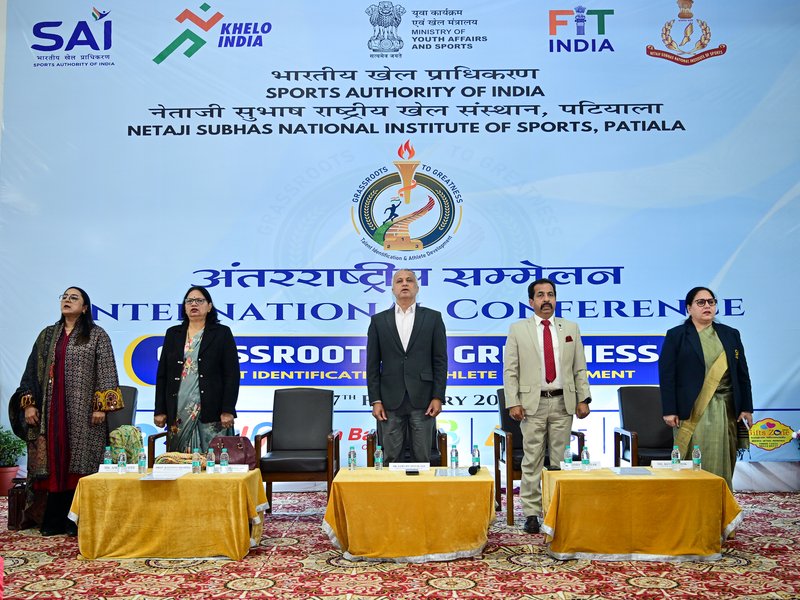
The conference, hosted by the Sports Authority of India at the Netaji Subhas National Institute of Sports, witnessed participation from more than 600 aspiring coaches, athletes, sports scientists, administrators, and students. Over 30 renowned national and international experts shared insights, making it one of the largest knowledge-sharing platforms on sports development in India.
Declaring the conference open, Secretary (Sports) and Director General of SAI Hari Ranjan Rao said the Ministry of Youth Affairs and Sports is working relentlessly to create a robust, future-ready sports ecosystem that supports athletes from grassroots to elite levels.
Why Coaching Matters More Than Ever
International experts unanimously stressed that quality coaching determines whether raw talent can be converted into podium finishes. FIBA basketball coach Richard Lee Brooks, who also serves as youth coach for Slovakia’s national team, noted that nurturing coaches is often more impactful than simply identifying gifted athletes.
He explained that without trained coaches at the grassroots level, talented children may never reach their potential. “Teach the coaches how to teach, and medals will follow. Conferences like this provide insights that are otherwise unavailable,” Brooks said.
Learning from Global Best Practices
Experts from Serbia, Türkiye, Uzbekistan, Germany, and the United Kingdom shared global best practices in long-term athlete development, sports science integration, and coaching education. Prof Nenad Trunic from Serbia said such platforms allow meaningful exchange of ideas and solutions to challenges faced by Indian coaches.
Dr Martin Toms of Birmingham University highlighted the importance of understanding what goes into creating champions. He praised NSNIS Patiala for producing generations of coaches who will shape India’s sporting future.
Patiala’s Legacy and Punjab’s Push
Established in 1961, NSNIS Patiala is Asia’s largest sports institute and has produced numerous Padma awardees, Dronacharya awardees, Khel Ratna winners, and Arjuna awardees. Its sprawling campus continues to serve as the nerve centre of India’s coaching and sports science education.
Punjab Special Chief Secretary Sarvjit Singh said the state has significantly increased its sports budget and infrastructure investment. With thousands of upgraded playgrounds and a sharp rise in the number of coaches, Punjab is positioning itself as a key contributor to India’s sporting ambitions.
A Roadmap to Sporting Excellence
Senior SAI officials and coaches shared real-world experiences on talent identification, long-term development pathways, and preparing athletes for international competition. The discussions reinforced the idea that sustained success requires patience, planning, and continuous learning.
As India prepares for its centenary of independence, the message from Patiala was clear: investing in coaches today will define the champions of tomorrow. With sustained policy support and global collaboration, India’s dream of sporting excellence appears firmly within reach.