 Focus on Trade and Tourism Payments
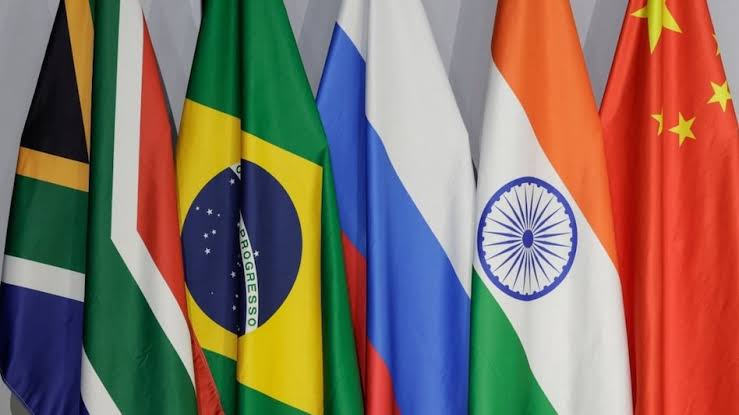
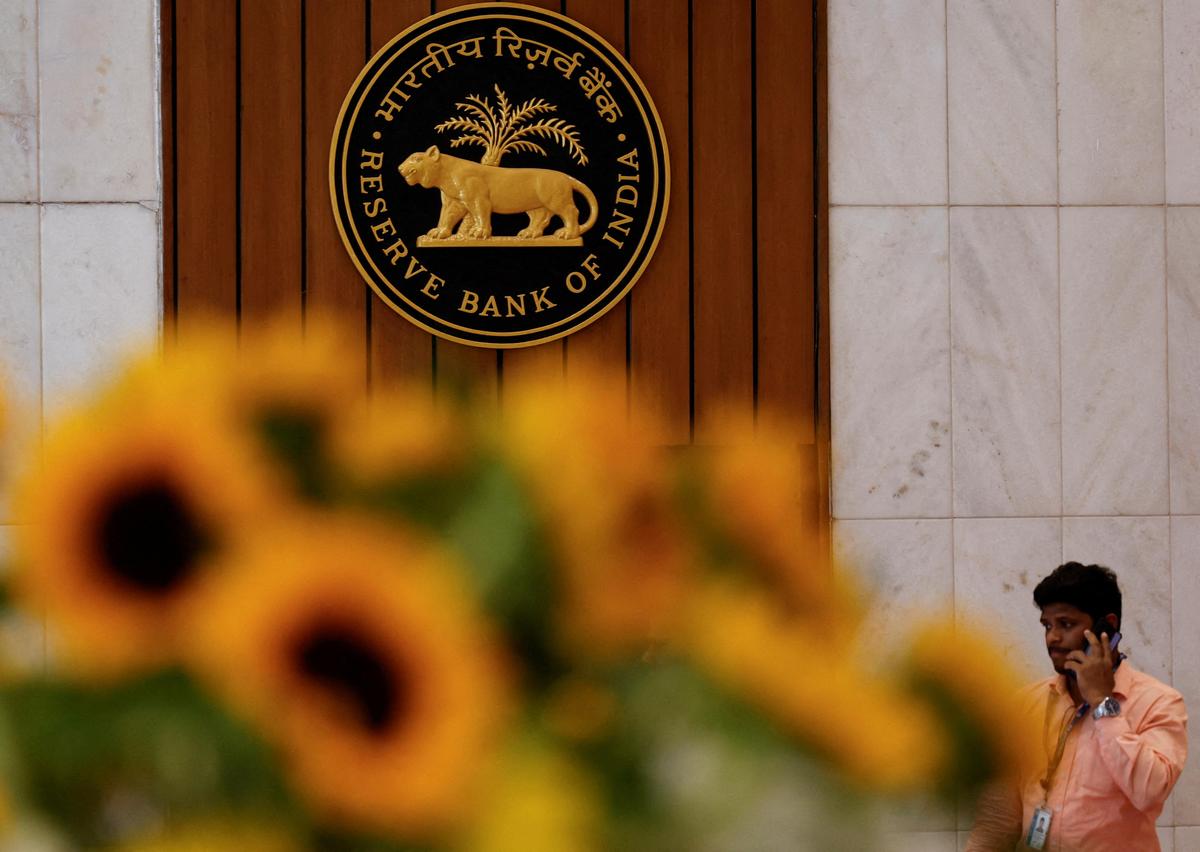
The RBI’s proposal is aimed primarily at easing cross-border trade finance and tourism-related payments among BRICS countries, which include Brazil, Russia, India, China and South Africa. By enabling direct settlement between digital currencies, the plan seeks to lower transaction costs, reduce settlement time, and minimise currency conversion risks.
Officials emphasise that the initiative is designed to improve efficiency rather than aggressively promote de-dollarisation. However, analysts note that a successful CBDC linkage could naturally reduce dependence on the US dollar in trade among BRICS nations over time.
Geopolitical Sensitivities
The proposal comes amid heightened geopolitical tensions. US President Donald Trump has previously criticised BRICS initiatives aimed at bypassing the dollar, calling the bloc “anti-American” and warning of potential tariffs against member countries.
Despite these concerns, Indian officials maintain that the country’s push for digital currency interoperability is rooted in economic efficiency and financial innovation, not geopolitical confrontation.
Building on Earlier BRICS Commitments
The RBI’s recommendation builds on commitments made at the 2025 BRICS summit in Rio de Janeiro, where member nations agreed to work towards interoperability of their payment systems. That declaration highlighted the need for faster, cheaper and more transparent cross-border transactions.
India has consistently expressed interest in linking its digital rupee with other nations’ CBDCs. The RBI has stated that such connections could help boost the global use of the rupee while maintaining strong regulatory oversight.
Status of Digital Currency Projects
None of the core BRICS nations has fully rolled out a nationwide digital currency yet, but all are running pilot projects. India’s e-rupee, launched in December 2022, has attracted around seven million retail users so far.
China, meanwhile, has been actively promoting the international use of the digital yuan, while Brazil, Russia and South Africa continue to test their respective CBDC frameworks.
Key Challenges Ahead
Experts caution that linking BRICS digital currencies will require agreement on interoperable technology standards, governance frameworks and settlement mechanisms. One proposal under discussion is the use of bilateral foreign exchange swap arrangements between central banks to manage trade imbalances.
Past attempts at settling trade in local currencies, particularly between India and Russia, faced difficulties due to accumulated currency surpluses. Weekly or monthly settlements via swap arrangements are being explored as a potential solution.
India’s Stand on Stablecoins
The RBI continues to position the e-rupee as a safer alternative to privately issued stablecoins. Deputy Governor T Rabi Sankar has warned that stablecoins pose risks to monetary stability, fiscal policy and banking systems if widely adopted.
India fears unchecked stablecoin usage could fragment national payment systems and undermine its globally admired digital payments ecosystem, including UPI.