 Russia’s First Full-Cycle Microwave Chip Facility
The governor of Russia’s Sverdlovsk Oblast, Denis Pasler, recently confirmed that design and construction have begun on a facility capable of serial production of microwave microchips across the entire technological cycle. Once operational, the plant is expected to manufacture up to 2,000 silicon wafers annually.
Microwave microchips are critical components used in high-frequency applications ranging from radar systems and satellite communications to unmanned platforms and electronic warfare. Their domestic production is seen as essential for sustaining advanced military hardware under prolonged sanctions.
Why Microwave Chips Matter
Microwave microchips, often implemented as Monolithic Microwave Integrated Circuits (MMICs), operate in frequencies between 300 MHz and 300 GHz. These chips integrate transistors, resistors, and capacitors onto a single semiconductor substrate, commonly gallium arsenide or silicon.
They enable real-time processing of high-speed wireless signals for radar detection, target tracking, and pattern recognition. Such capabilities are indispensable for modern air-defence systems and fifth-generation combat aircraft.
Critical Role in Su-57 and S-400 Systems
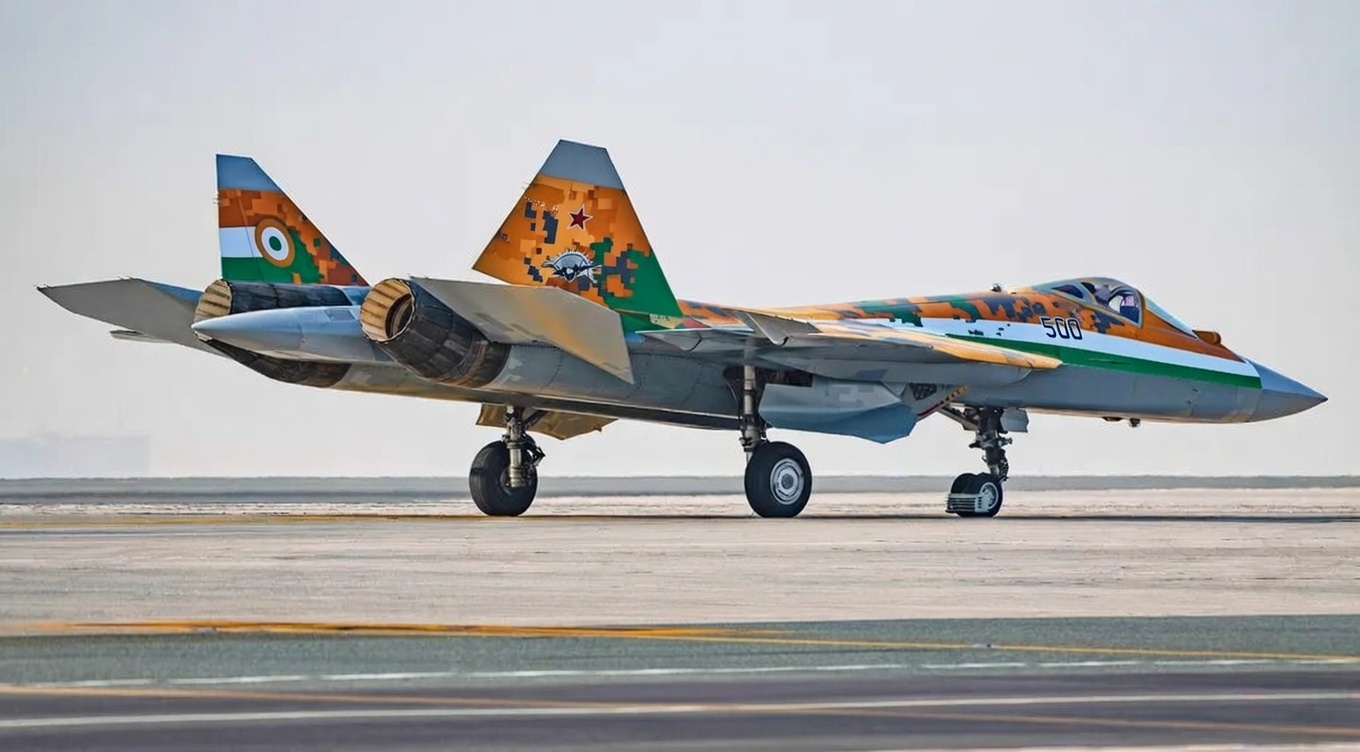
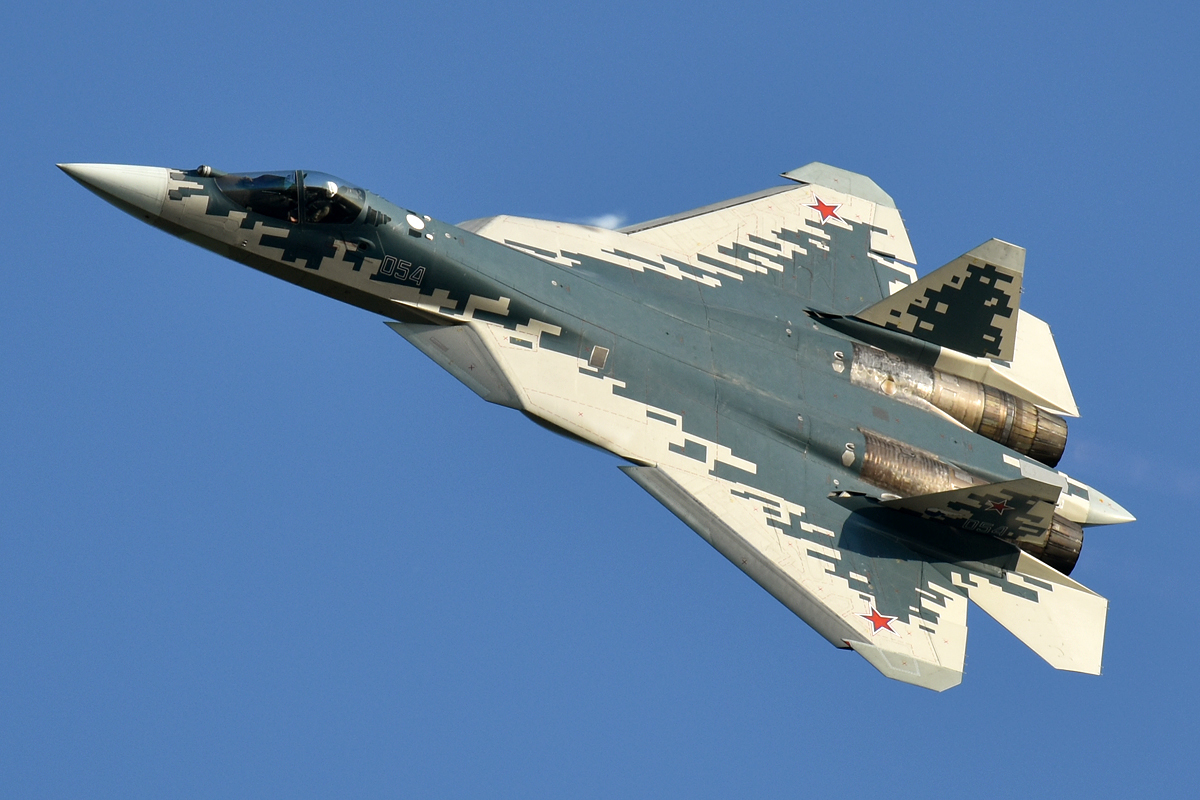
The Su-57’s N036 Byelka radar, an advanced AESA system, is believed to rely heavily on MMIC technology. The radar includes a nose-mounted X-band array, supplementary side-looking arrays, and L-band elements embedded in the wings for identification and electronic warfare.
Similarly, radar systems associated with the S-400 and S-500 platforms, including the 96L6 and 98L6 Yenisei radars, depend on microwave chips to deliver long-range detection, resistance to jamming, and multi-target engagement capability.
Russia’s Past Dependence on China
Following Western sanctions imposed in 2022, Russia’s access to advanced semiconductor components was constrained, leading to speculation that it relied heavily on China for microelectronics used in military systems. Estimates suggest that China supplied a substantial share of Russia’s microelectronics during 2023 and 2024.
However, analysts note that China’s role was likely that of an intermediary, facilitating access to foreign components rather than manufacturing advanced MMICs locally. The new Russian facility is intended to eliminate such vulnerabilities.
Implications for India’s Defence Programs
India currently operates three S-400 systems and is expected to induct more in the coming years. Discussions on local production and deeper technology transfer are also underway. In parallel, Hindustan Aeronautics Limited is engaged in advanced talks with Russia on potential Su-57 manufacturing collaboration.
Russia’s move towards self-reliance in microwave chip production significantly reduces the risk of supply disruptions for Indian platforms. It also ensures that India’s air-defence and fighter programs do not become indirectly dependent on Chinese electronics.
India’s Own Semiconductor Push
India is simultaneously expanding its domestic semiconductor ecosystem under the India Semiconductor Mission. The country has announced ambitious plans for advanced chip design and is exploring joint fabrication facilities for gallium nitride and silicon carbide semiconductors.
Over time, this capability could allow India to independently manufacture key electronic components required for advanced air-defence systems and combat aircraft.
A Strategic Signal
Russia’s investment in full-cycle microwave chip manufacturing sends a strong strategic signal amid evolving geopolitical and technological competition. For India, it reinforces confidence in long-term defence partnerships while aligning with broader goals of supply-chain resilience and strategic autonomy.