Resignation Accepted by Vice President Dhankhar
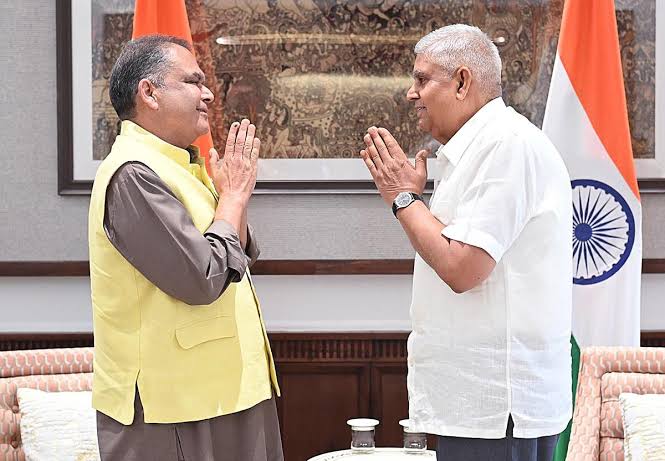
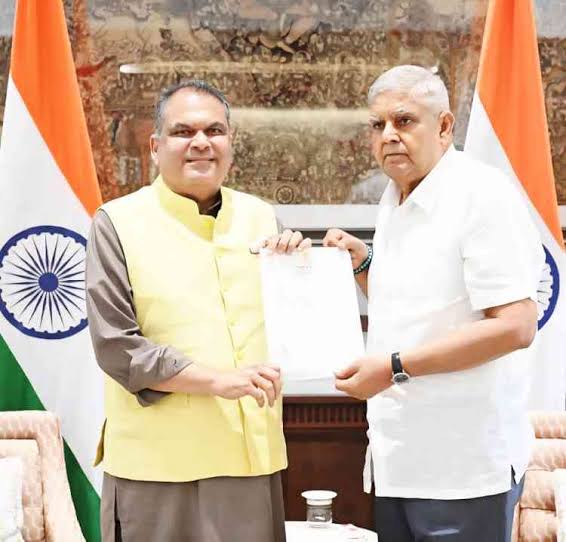
Vice President and Rajya Sabha Chairman Jagdeep Dhankhar accepted the resignation with immediate effect on July 1. He confirmed that the resignation complies with Article 101(3)(b) of the Indian Constitution.
Mr. Arora, a first-time MP, was elected to the Rajya Sabha in April 2022. His term was originally supposed to last until April 2028.
 Victory in Ludhiana West Assembly Bypoll
A businessman from Ludhiana, Arora defeated Congress candidate Bharat Bhushan Ashu by over 10,000 votes in the recently held bypolls. His win strengthens AAP’s hold in Punjab, where the party is currently in power.
Arvind Kejriwal, AAP’s national convener, described the bypolls in Punjab and Gujarat as “semifinals” for the 2027 Assembly elections. However, he has dismissed speculation that he would fill the now-vacant Rajya Sabha seat.
What Happens Next?
With Arora’s resignation accepted, the AAP can now nominate a new candidate for the vacant Rajya Sabha seat from Punjab. Political observers believe this seat will be closely watched in the coming weeks.
While names are doing rounds in political circles, Kejriwal’s denial of his own candidacy suggests that the party may prefer a regional face or a key strategist for the position.
Constitutional Context
Under Article 101(3)(b) of the Constitution of India, a member of Parliament must vacate their seat if they are elected to the legislature of a state and do not resign from the Parliament.
Conclusion
Sanjeev Arora’s transition from the Rajya Sabha to the Punjab Assembly marks a shift in political focus ahead of the 2027 elections. As AAP consolidates power in the state, the vacant Rajya Sabha seat opens a new chapter in Punjab politics.