Who’s Challenging the Revision?
A powerful line-up of opposition leaders and civil rights activists are at the forefront. Petitioners include MPs Mahua Moitra (TMC), Manoj Kumar Jha (RJD), K.C. Venugopal (INC), Supriya Sule (NCP), D Raja (CPI), Arvind Sawant (Shiv Sena UBT), and others from parties like DMK, JMM, and CPI-ML. NGOs like Association for Democratic Reforms (ADR) and PUCL have also joined the challenge. Activist Yogendra Yadav is among the petitioners.
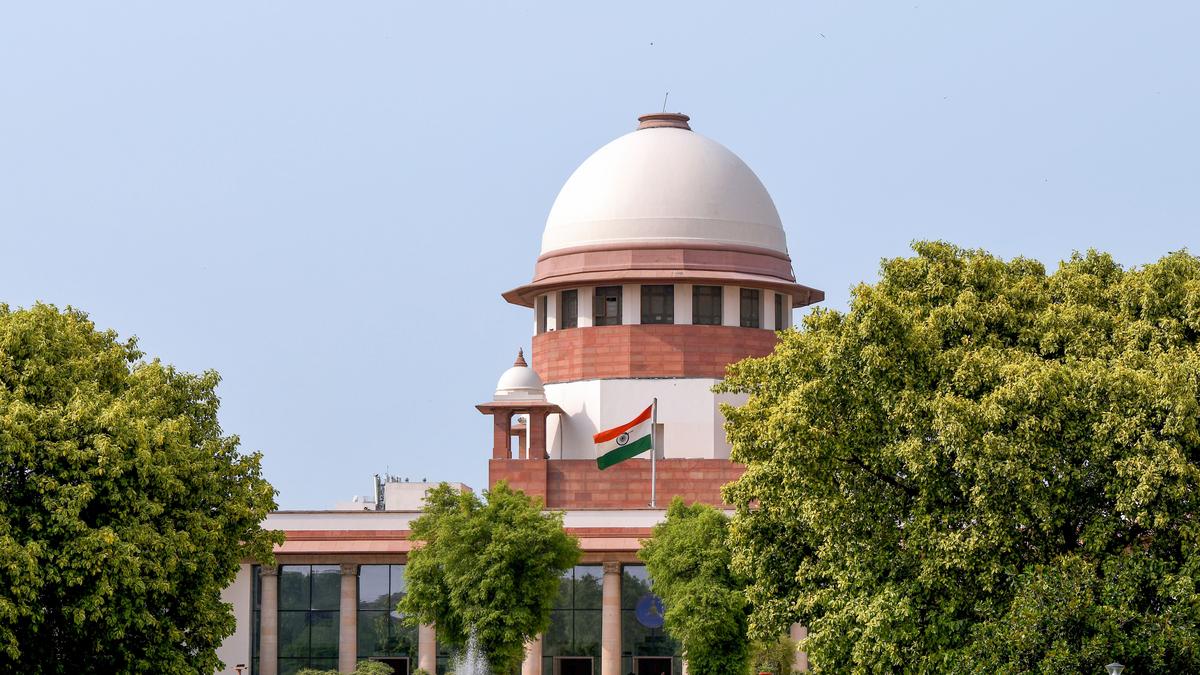 The Crux of the Controversy
The petitioners allege that the Election Commission of India (ECI) is conducting the revision in a manner that could disenfranchise legitimate voters, especially from marginalized communities. They claim people are being told to fill new forms or face exclusion—without valid reasons or prior notice.
Senior Advocate Kapil Sibal argued that citizens are being asked to prove their nationality. He told the bench, “Before removing my name from the list, they must have proof that I’m not a citizen.”
The Bench’s Observations
Justices Sudhanshu Dhulia and Joymalya Bagchi expressed concern about the timing. “Once the list is finalized, no court would touch it,” Justice Dhulia noted, highlighting the potential risk to voting rights in the upcoming elections.
The court also pointed out that a person already listed on the electoral roll should not be removed without due process. “They would be forced to appeal and could lose their right to vote in the meantime,” the bench said.
Key Legal Issues at Stake
- Use of Aadhaar and Voter ID: Petitioners say Aadhaar and even EPIC voter cards are being excluded from accepted identity documents.
- Citizenship Proof Burden: The burden of proving citizenship, petitioners argue, should lie with the authorities, not the voters.
- Violation of Article 14: Discriminatory guidelines on who needs re-verification may violate the fundamental right to equality.
ECI’s Response and Defense
The Election Commission has asked the court to wait until the revision is complete. ECI counsel argued, “Let us show the final outcome before conclusions are drawn.” However, the court was skeptical, reminding that “citizenship is a central issue, and it’s too late to fix errors post-facto.”
The ECI also stated that Aadhaar is not valid proof of citizenship as per legal precedent and clarified that the final verification stage hasn’t yet been reached.
Voices of Concern
Lawyer Sankarnarayanan argued that omitting commonly used identity documents like Aadhaar or EPIC cards is unreasonable. He emphasized, “In a democracy, every vote is equal. Categorizing who must prove identity creates inequality.”
The court echoed that view, asking why people verified in 2003 or 2020 need re-verification now—especially since summary revisions were already conducted up to January 2025.
Timing and Election Implications
This revision comes just months before major state and general elections. The petitioners believe this exercise is poorly timed and could suppress votes instead of safeguarding democracy.
As the hearing continues, the central issue remains—can electoral fairness be preserved while maintaining roll accuracy?
Why This Case Matters
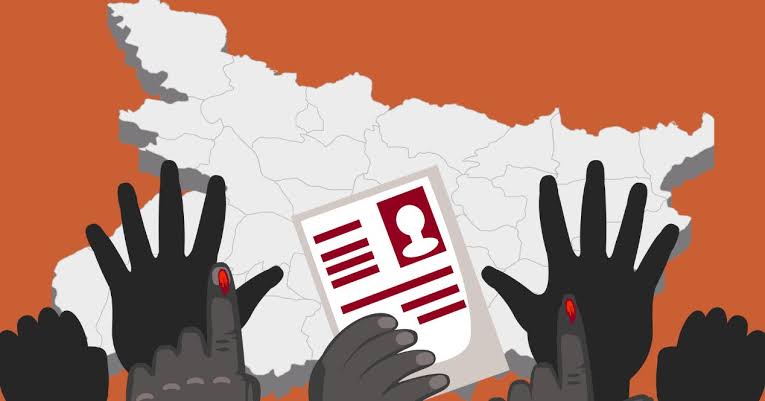
This case is not just about Bihar. It’s about voter rights in India. With many citizens still struggling for access to documentation, the outcome will set a major precedent.
It could also redefine the limits of the Election Commission’s powers in revising electoral rolls—especially when questions of identity, equality, and fundamental rights are involved.
What Happens Next?
The bench is expected to continue hearings throughout the week. It may seek further clarifications from the ECI and Home Ministry on citizenship verification protocols and document validity.
Legal experts believe that the Supreme Court may issue an interim stay or guidelines if it finds merit in the arguments raised by the petitioners. A larger constitutional bench may also be considered.