The Court’s Observation
A bench comprising Justice Surya Kant and Justice N Kotiswar Singh noted that premature attribution of blame could be unfair and damaging. “Suppose tomorrow, it is said that pilot ‘A’ is responsible. The family of the pilot is bound to suffer,” Justice Kant remarked, stressing the importance of confidentiality during ongoing investigations.
 PIL Against Probe Report
The petition was filed by aviation safety NGO Safety Matters Foundation, which alleged that the Aircraft Accident Investigation Bureau’s (AAIB) July report withheld critical details and wrongly downplayed systemic anomalies like faulty fuel switches and electrical defects. The NGO argued that prematurely blaming pilots endangered passenger safety and denied citizens the right to truthful information.
Senior Advocate Prashant Bhushan, representing the petitioner, highlighted that more than 100 days after the crash only a preliminary report exists. “It doesn’t say what may have happened or what precautions should be taken. Passengers flying Boeing jets remain at risk,” he said. He also pointed to conflict of interest in the probe, noting that three of the five panel members are from DGCA itself.
Disputed Pilot Conversation
The preliminary report cited cockpit audio where one pilot allegedly asked, “Why did you cut off?” to which the other replied, “I didn’t.” This fueled speculation of a fuel cut-off error. However, Bhushan countered that the story leaked before the official report and unfairly portrayed the experienced pilots as responsible. The court agreed that such leaks and speculative narratives were “irresponsible.”
Crash Details
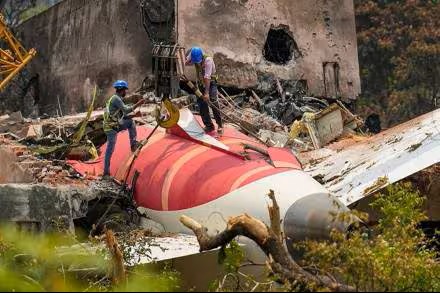
On June 12, Air India flight 171 from Ahmedabad to London Gatwick crashed seconds after take-off. The Boeing aircraft struck a medical college hostel building, killing 19 people on the ground. Of the 230 passengers and 12 crew members, only one person survived. The tragedy has since raised serious questions about aviation safety oversight in India.
Next Steps
The Supreme Court has sought replies from the Centre, DGCA, and AAIB before deciding whether an independent inquiry is necessary. While maintaining that fairness and transparency are vital, the court emphasized balancing accountability with the need to avoid reputational harm to individuals before conclusive findings are made.
This case is likely to shape how aviation accidents are investigated in India, with calls growing for stronger independent oversight free from regulatory conflicts of interest.