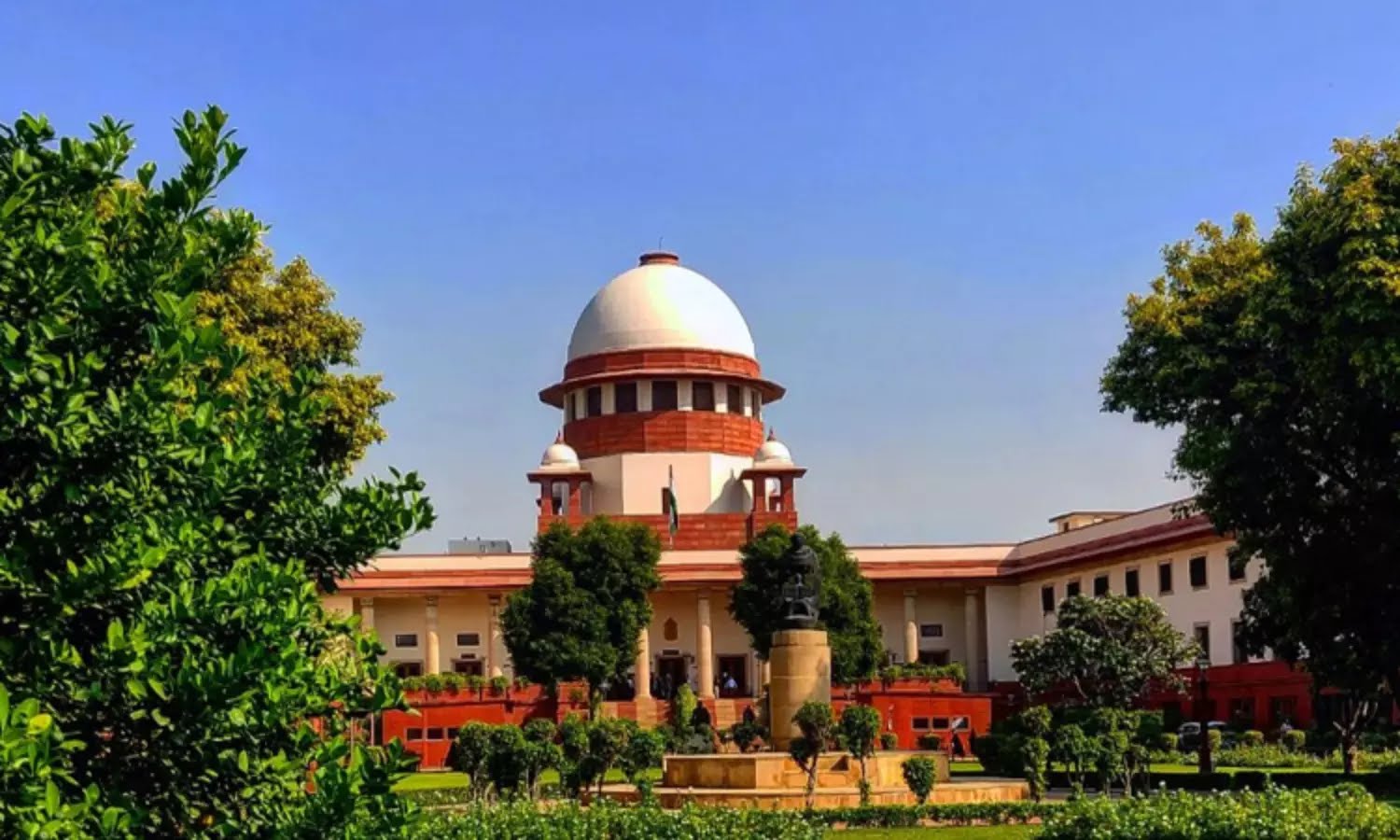
The Supreme Court of India has refused to entertain a petition demanding action against alleged hate speech targeting the Christian community in Andhra Pradesh.
The plea was filed by Ashok Babu Chegudi and others, who claimed members of the Shivashakthi Foundation incited hatred and desecration of the Holy Bible during a 2024 event.
 Background of the Case
In September 2024, the Shivashakthi Foundation held a large public event in Andhra Pradesh. During this conclave, speakers allegedly made derogatory remarks against Christians and their holy symbols.
According to the petitioners, the Foundation’s president urged followers to trample on the Holy Bible and urinate on it. This, they argued, not only hurt religious sentiments but also violated basic rights guaranteed by the Constitution.
The event reportedly saw over 1,000 attendees. Videos of the gathering surfaced online, sparking outrage among Christian groups.
Petitioners First Approached the High Court
The petitioners had earlier moved the Andhra Pradesh High Court. They alleged police inaction and accused authorities of ignoring complaints lodged with the Superintendent of Police, Deputy SP, and local police stations.
However, the High Court dismissed the case in March 2025. It called the allegations “vague and general” and stated that if the issue involved a criminal offense, petitioners could pursue remedies through regular legal channels.
Supreme Court’s Response
Unhappy with the High Court’s decision, the petitioners moved the Supreme Court. A bench comprising Justices Surya Kant and Joymalya Bagchi heard the matter on July 22, 2025.
Justice Kant advised the petitioners to file a complaint before a jurisdictional magistrate. He said the proper course of action was to seek prosecution through existing legal procedures.
“File a complaint before the Court,” Justice Kant told the counsel. “If that court does not take cognizance, approach the High Court.”
Why the Court Rejected the Petition
The top court refused to directly intervene. It emphasized the importance of following procedural legal remedies instead of bypassing lower courts.
The bench also highlighted that filing a writ petition in such matters—without exhausting other remedies—is generally not encouraged.
While acknowledging the seriousness of the allegations, the court stressed that the law must be followed step-by-step.
What This Means for Religious Freedom
India’s Constitution protects the right to religious freedom under Article 25. Hate speech and acts of religious desecration, if proven, can lead to punishment under various sections of the Indian Penal Code (IPC), including:
Section 153A deals with promoting enmity between groups based on religion.
Deliberate and malicious acts intended to outrage religious feelings are covered under Section 295A.
Meanwhile, Section 505 pertains to statements that create or promote enmity and public mischief.
However, as this case shows, courts expect due legal process to be followed. Petitioners are first required to lodge complaints with magistrates and only escalate matters if those avenues fail.
Political and Social Implications
This ruling comes at a sensitive time, as India continues to witness rising religious tensions in some regions. The Christian community, which makes up about 2.3% of India’s population, has frequently voiced concerns over targeted hate campaigns.
Human rights activists argue that dismissing such petitions sends the wrong message. However, legal experts emphasize the importance of following proper procedure to ensure justice without politicization.
What’s Next?
The petitioners now have two options:
- File a complaint before a jurisdictional magistrate.
- If unsatisfied, approach the High Court under its supervisory jurisdiction.
The court’s ruling does not shut the door on legal action. It simply redirects the process to the correct starting point.
Conclusion
The Supreme Court’s refusal to hear the plea directly reminds citizens of the legal steps that must be followed in hate speech cases. While the allegations are serious, the courts require complainants to begin from the lowest judicial level.
In a democracy, due process ensures fairness for all. As the petitioners pursue justice, the Christian community watches closely, hoping for lawful redress and protection of their faith.