Challenge to Rahul, reference to Lalu
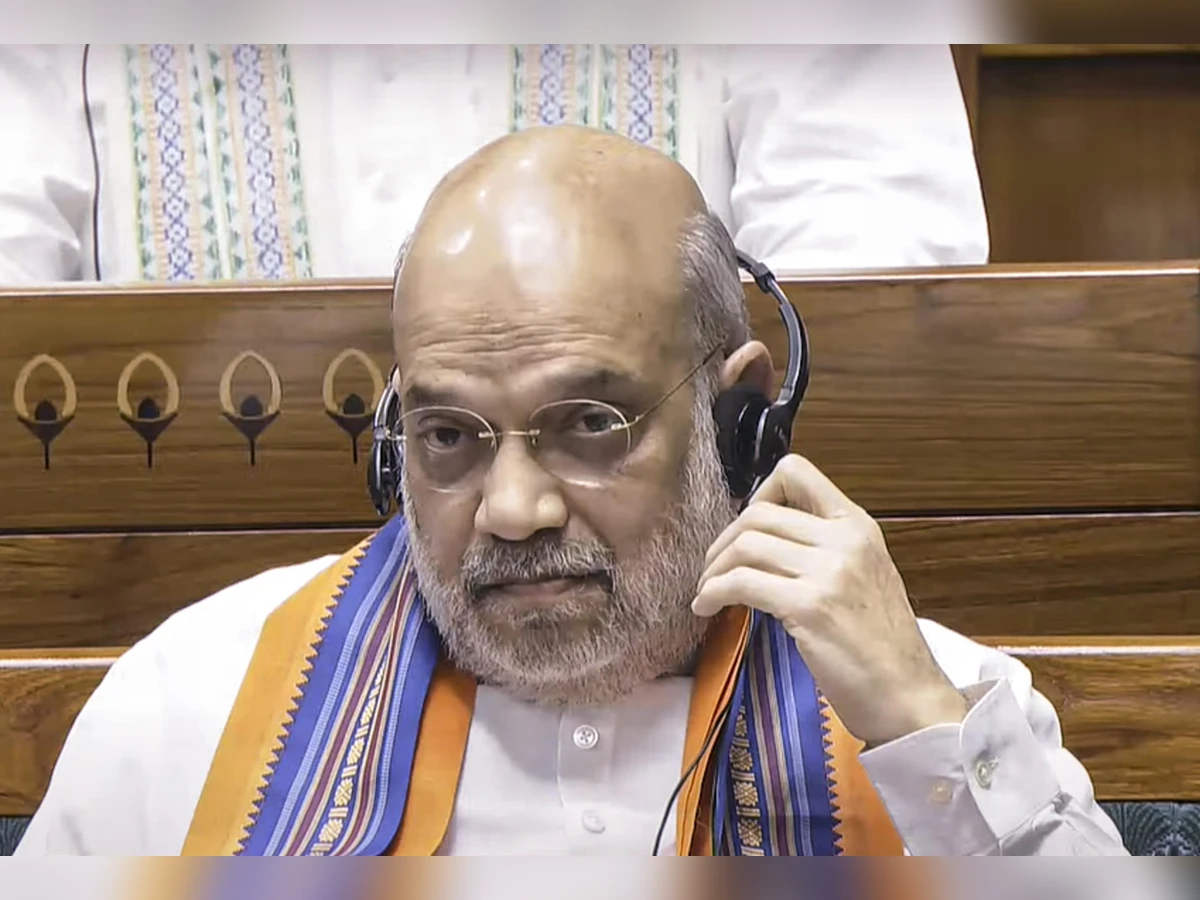
At a media event in Patna, Shah accused Rahul Gandhi of backing the RJD’s leadership despite recent legal troubles and the Delhi court’s decision to frame charges in the IRCTC case earlier this month. He said voters should be told plainly if the opposition preferred a CM who would govern from behind bars. The court action on the IRCTC case has become a running theme in campaign debates.
 “Jungle raj” warning and NDA’s pitch
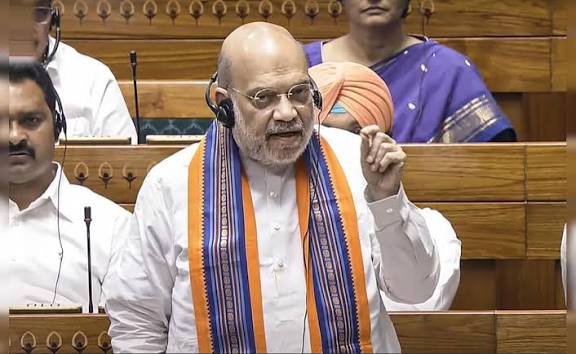
Shah invoked the phrase “jungle raj” to warn against a return to the disorder he associated with the RJD’s earlier rule, urging voters to preserve what he termed the “rhythm of development” under the NDA and Chief Minister Nitish Kumar. He credited two decades of infrastructure work for transforming Bihar’s prospects and pledged that the NDA’s plan would make Bihar a hub for artificial intelligence and industry.
Infiltration, SIR and electoral rolls
On migration and border security, Shah accused some state governments of turning a blind eye to illegal entries and said that infiltration had slowed in BJP-ruled states. He reiterated the party’s call for a nationwide Special Intensive Revision (SIR) of electoral rolls to “weed out” non-citizens, linking the issue to concerns about vote-bank politics and local administration. Analysts note SIR proposals are politically charged and often contested.
Law, order and promises on internal security
Shah told the Patna audience the central government would eliminate Maoist presence in India by March 31, 2026, and said Jammu & Kashmir would regain statehood “at an appropriate time.” He also accused opposition-ruled states of facilitating unlawful migration for electoral gain. These comments frame law-and-order and national security as key themes in the NDA’s campaign messaging.
Political context and local reactions
The remarks come days after charges were framed against RJD leader Lalu Prasad Yadav, his wife Rabri Devi and his son Tejashwi in the IRCTC case, a development several parties have referenced in campaign speeches. Opposition leaders have denounced the timing of legal developments as politically motivated; the AAP and others have publicly questioned the optics ahead of the polls.
JD(U) leaders responded to Shah by reiterating that Nitish Kumar would continue to be the NDA’s face in Bihar and that the question of the chief minister would be answered by elected MLAs if the alliance wins. The exchange illustrates both coordination and the high-stakes jockeying that marks the run-up to Bihar’s elections.
Why this matters
Shah’s Patna intervention aims to consolidate the NDA’s law-and-order narrative and shift attention to governance and national security. With Bihar’s exit polls looming, such speeches can sway undecided voters by combining development promises — like the Kosi flood-control project and jobs through industrialisation — with pointed attacks on opposition credibility. Voters will now weigh governance records, legal controversies and development pledges as polling day approaches.