

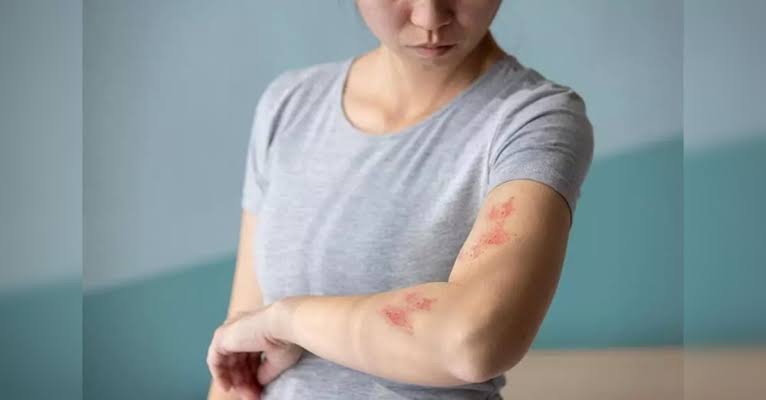

Shingles, caused by the reactivation of the Varicella zoster virus the same virus responsible for chickenpox typically presents as a painful rash with blisters on one side of the body, affecting areas like the chest, abdomen, or face. The GSK survey of 752 Indian adults aged 50-70 revealed that 43% of respondents who had shingles reported severe, day-disrupting pain. Over one-third said the infection prevented them from attending work or social events.
Chronic Conditions Amplify Shingles Risk
Experts explain that age-related immune decline, combined with chronic illnesses affecting roughly 7.5 crore older Indians, increases susceptibility to shingles. Individuals with cardiovascular and kidney diseases reported the greatest disruption to daily life, while those with diabetes and cardiovascular issues experienced the highest emotional toll.
Dr. Shalini Menon, Executive Vice-President at GSK India, emphasised during Shingles Action Week (February 23–March 1) that awareness of shingles among adults with chronic conditions remains limited, despite 75% of survey participants visiting doctors regularly. Nearly 48% admitted they had never discussed shingles with a healthcare professional, and one in five were unaware that their chronic condition could weaken immunity.
Vaccination: A Key Preventive Measure
Medical experts stress that shingles can only be prevented through vaccination. Dr. Menon highlighted the importance of informed conversations between doctors and older patients regarding immunisation. “Regular check-ups are an opportunity to discuss vaccination, especially for those with chronic health conditions,” she said.
With awareness gaps evident, healthcare authorities urge patients to actively inquire about shingles risks and vaccines.
Conclusion
The survey underscores that older adults with chronic health conditions face not only physical pain but also significant emotional and social challenges due to shingles. Awareness campaigns and doctor-patient conversations about vaccination remain critical to protecting this vulnerable population.