 Promoting Cleanliness and Hygiene at Work
Addressing participants, Prof. Baghel emphasized the critical role of cleanliness and hygiene in enhancing workplace productivity and efficiency. He highlighted that a well-maintained work environment positively impacts organizational effectiveness and contributes to the nation-building process.
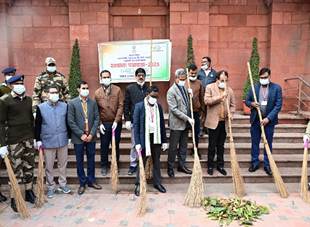
The Shramdan activity involved systematic cleaning of office spaces, removal of waste, and organization of materials, setting an example for employees and encouraging adoption of clean habits within and beyond the workplace.
Swachhata Pakhwada: Ten Years of Commitment
The Swachhata Pakhwada initiative, now in its 10th year, is aimed at promoting cleanliness in government offices, raising awareness about sanitation, and instilling a sense of responsibility among employees. The Department of Animal Husbandry and Dairying’s active participation underscores its dedication to institutional hygiene, employee well-being, and public service standards.
The fortnight-long observance includes multiple awareness programs, cleanliness drives, and activities aimed at fostering a culture of hygiene and discipline across all departmental offices.
Impact on Institutional Efficiency and Nation-Building
Through initiatives like Shramdan, government departments aim to instill a culture of discipline, responsibility, and accountability. Prof. Baghel reiterated that these efforts not only improve workplace conditions but also contribute meaningfully to the broader goal of nation-building by creating organized, healthy, and productive work environments.