 The Core of the Compromise Formula
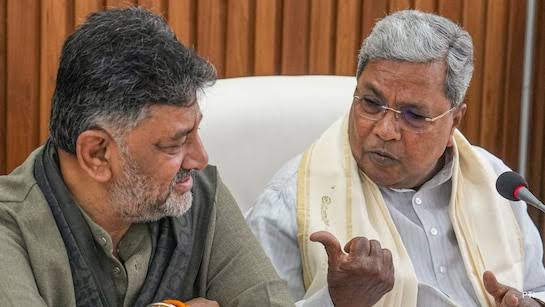
At the heart of the arrangement lies a simple understanding: DK Shivakumar will continue as the deputy chief minister for now, but a transition of power is likely to occur well before the 2028 Assembly elections. Party strategists believe this timeline will allow the Congress to avoid the pitfalls of internal rebellion while giving Shivakumar enough time to prepare for the next electoral battle as the face of the government.
Several sources suggest that the Congress leadership in Delhi is looking at March–April 2026 as a realistic window for the handover though the final decision will depend on political conditions and the durability of trust between both leaders.
What Shivakumar Gains Under the Deal
The arrangement seeks to reassure Shivakumar with concrete political advantages. His loyalists are expected to receive more cabinet berths, strengthening his influence within the government. He will also continue as the Karnataka Pradesh Congress Committee (KPCC) president an organizational role that significantly boosts his bargaining power.
For now, Shivakumar has little incentive to rush into confrontation. Numerical realities within the legislature indicate that he does not yet command enough MLAs to engineer an internal revolt. A forced attempt to overthrow Siddaramaiah could backfire, weakening both leaders and benefiting the opposition. Under these circumstances, accepting the compromise gives him the best shot at eventual leadership.
The Calculations Behind Siddaramaiah’s Concession
For Siddaramaiah, the compromise is less a retreat and more a strategic culmination of his political journey. The seasoned leader has already declared this to be his final term as chief minister. Having cemented his legacy as one of the tallest leaders of the AHINDA social coalition representing minorities, OBCs, and Dalits Siddaramaiah is keen to exit on a dignified note.
Supporting Shivakumar’s rise also allows him to safeguard the Congress’s delicate caste balance. The party cannot afford to alienate the Vokkaliga community, where Shivakumar remains a central figure. By embracing a planned transition, Siddaramaiah positions himself as a unifying figure who prevents factional conflict.
The Big Questions That Still Remain
Despite the public show of unity, three major uncertainties hover over this deal.
1. Can Shivakumar trust Siddaramaiah?
Karnataka’s political history is filled with last-minute twists, and leaders often joke that “natak” (theatrics) is a permanent feature of its politics. Whether both sides will honour the timeline remains to be seen.
2. Will the Congress high command enforce the transition?
The central leadership must ensure that the power handover happens without backlash or rebellion. Their handling of previous power-sharing arrangements such as in Rajasthan and Chhattisgarh makes many in the party cautious.
3. What about caste dynamics?
Siddaramaiah represents the AHINDA bloc, while Shivakumar is the face of the Vokkaliga community. Any misstep could upset critical vote banks. The Congress must manage this shift without alienating either group.
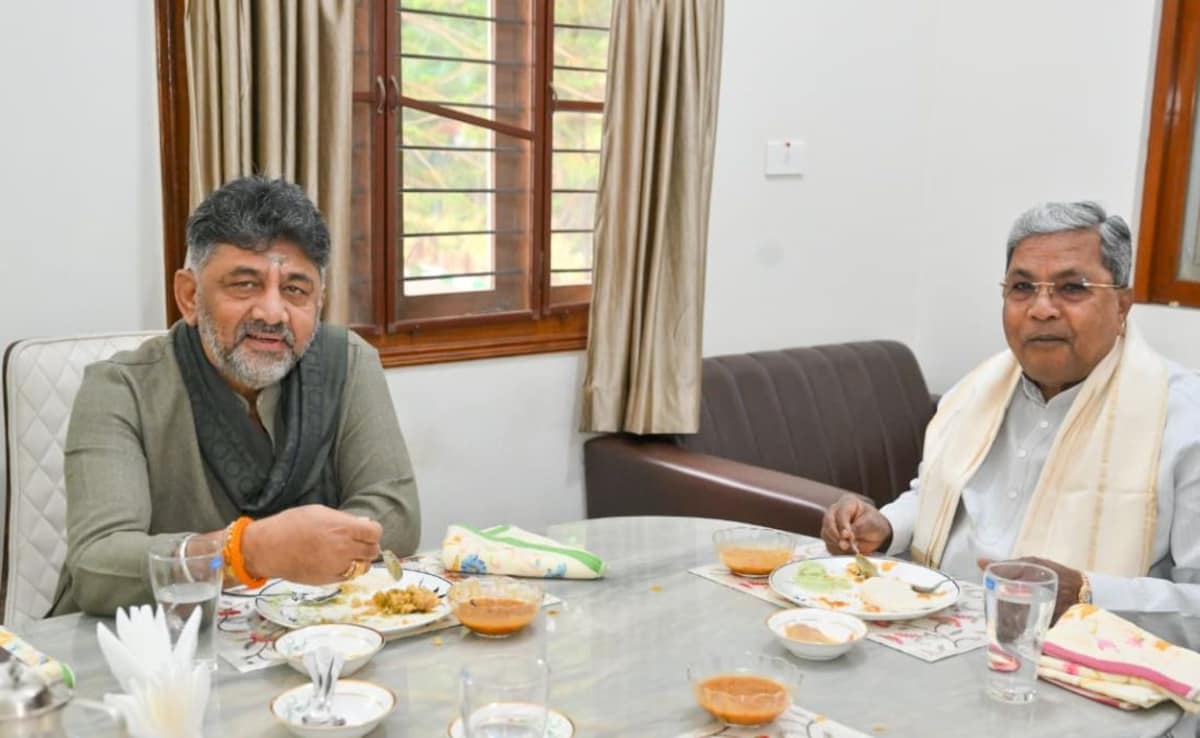
Ultimately, the success of this formula depends on trust, timing, and the political environment over the next year. For now, the breakfast meeting has bought peace, but the real test lies ahead.