National snapshot and what the numbers mean
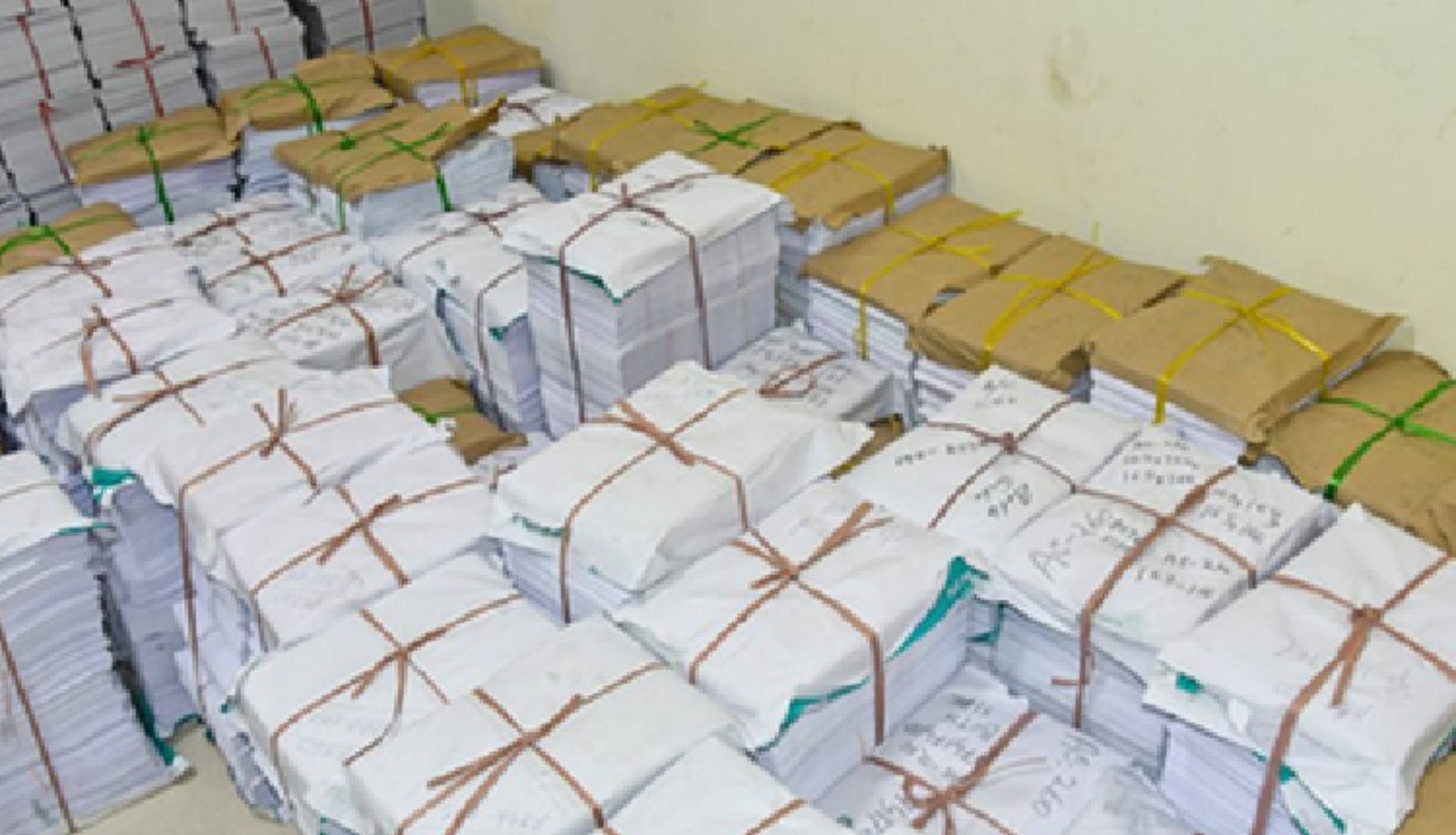
As of 12 November 2025 the aggregate figures read: Total electors listed – 50,997,2? (source table shows 50,99,72,687 electors); BLOs appointed – 5,33,093; BLAs appointed – 10,41,291. Of the total EFs required (50,97,43,180), 99.95% printing completion indicates printing logistics have been almost fully executed. Distribution at 97.52% (49,73,39,480 EFs delivered) demonstrates high on-ground outreach but also leaves scope for final-mile delivery in some pockets.
High printing and distribution rates are critical for accurate verification and correction during the SIR window. Enumeration Forms enable electors to check details and request corrections, ensuring the final electoral roll reflects eligible voters accurately.
 Selected state highlights
The bulletin provides state-wise details. Selected highlights include:
- Andaman & Nicobar: Electors 3,10,404 — EFs printed 100.00%, distributed 99.94%.
- Gujarat: Electors 5,08,43,436 — EFs printed 100.00%, distributed 99.16%.
- Kerala: Electors 2,78,50,855 — EFs printed 100.00%, distributed 93.72% (noting continued distribution efforts in certain districts).
- Tamil Nadu: Electors 6,41,14,587 — EFs printed 100.00%, distributed 93.67%.
- Uttar Pradesh: Electors 15,44,30,092 — EFs printed 100.00%, distributed 97.64%.
These examples illustrate both very high-performing states and areas where distribution teams remain active to reach outstanding households before the SIR window closes.
Roles of BLOs and BLAs – and a push for more agents
Booth Level Officers (BLOs) – appointed by Electoral Registration Officers (EROs) with District Election Officer approval – remain central to the distribution and verification drive. The bulletin notes that all recognised political parties have been requested to appoint additional Booth Level Agents (BLAs) to assist in enumeration and increase local engagement.
Officials say BLAs accelerate household contact and can improve response rates during the revision. Where distribution lags (notably in a few urban and tribal pockets), additional BLAs are being mobilised alongside special drives.
Operational challenges and next steps
Key operational hurdles reported in the bulletin include logistics in difficult-to-reach areas, updating forms for recent migrations, and ensuring awareness among first-time electors. State election offices continue targeted outreach — including mobile camps and evening distribution – to close the remaining distribution gap.
The Commission has reiterated timelines: the Enumeration Phase runs through 4 December 2025, and electors are urged to check their Forms and report discrepancies immediately. Election officials emphasise that timely corrections now prevent roll disputes later.
How citizens can verify and respond
Electors should inspect the EF they receive and verify name spelling, age, family details and polling station information. Discrepancies or missing registrations can be reported to the local BLO, ERO or via state electoral portals. For official guidance and resources consult the Press Information Bureau summary and the Election Commission of India portal.