Clarificatory Order Reinforces BIS Compliance
The Ministry of Steel issued a clarificatory order on 13 June 2025 to strengthen enforcement of BIS (Bureau of Indian Standards) for intermediate steel products used in manufacturing.
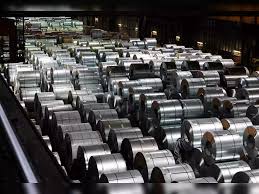
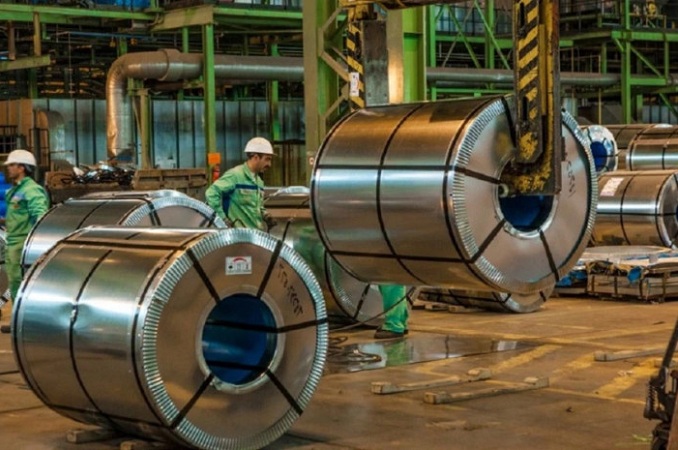
Although the Ministry hasn’t released new Quality Control Orders (QCOs) since August 2024, this clarification is significant. It mandates that intermediate materials—such as Hot Rolled (HR) and Cold Rolled (CR) coils—must follow BIS specifications. This step helps ensure the final steel products meet the required quality benchmarks.
 Why This Clarification Matters
Indian manufacturers already use BIS-compliant raw materials to produce steel. However, many importers bypassed this requirement by shipping finished products made from non-BIS-compliant intermediate inputs.
This gap created an unfair advantage for importers. Indian producers had to meet strict quality checks at every stage, while foreign suppliers didn’t. The new order closes this loophole, ensuring a level playing field for domestic players.
It also emphasizes that BIS compliance must extend across the entire supply chain. For example, coated steel uses HR or CR coils as its base. Even if the coating process follows BIS norms, the final product won’t meet standards unless the base material is also certified.
Protecting Against Dumping of Cheap Steel
Many countries are facing low steel demand and have surplus stock. This makes India a prime target for dumping cheap and substandard steel.
India is the fastest-growing major economy, and its steel consumption continues to surge. Without quality control, poor-grade steel could flood the market. This would hurt large integrated steel producers and especially small and medium enterprises (SMEs).
The consequences could be severe:
- Decline in product quality
- Job losses in rural steel hubs
- Competitive disadvantage for domestic firms
- Delay in future capacity expansions
Relief for Integrated Steel Plants
The order also brings relief for integrated steel plants. These units manufacture both raw materials and finished products under one license.
Since their BIS certifications already cover the full production process, separate approvals for each stage won’t be required. The Ministry has confirmed that it will work with BIS to issue further clarifications for these integrated facilities, avoiding unnecessary red tape.
No Impact on Prices, Says Ministry
There were concerns about a possible steel price hike following this order. However, the Ministry has reassured stakeholders that these fears are unfounded.
India’s current steel production capacity stands at 200 million tonnes, which is enough to meet domestic needs. Hence, the implementation of quality norms will not lead to shortages or inflation.
India’s Steel Growth Story
India is the only major economy where steel consumption has grown at over 12% per year for the last three years. This growth stems from:
- Strong infrastructure investments
- A boom in real estate and housing
- Rising capital goods production
To keep up with demand, India plans to expand capacity to 300 million tonnes by 2030 and 400 million tonnes by 2035. This ambitious target will require a capital investment of nearly $200 billion.
If low-quality steel imports disrupt the market, they could strain the domestic industry’s investment ability. This would hamper long-term growth and innovation.
Conclusion
The Ministry of Steel’s clarification isn’t just a regulatory update—it’s a protective measure for India’s growing economy. It ensures quality, safeguards jobs, and supports fair competition.
As India builds the backbone of its development through infrastructure, this order guarantees that only reliable and high-standard steel supports the journey. Maintaining strict quality standards is not just about business—it’s about building trust, safety, and national strength.