 Petitioner Seeks Caste-Neutral Protection
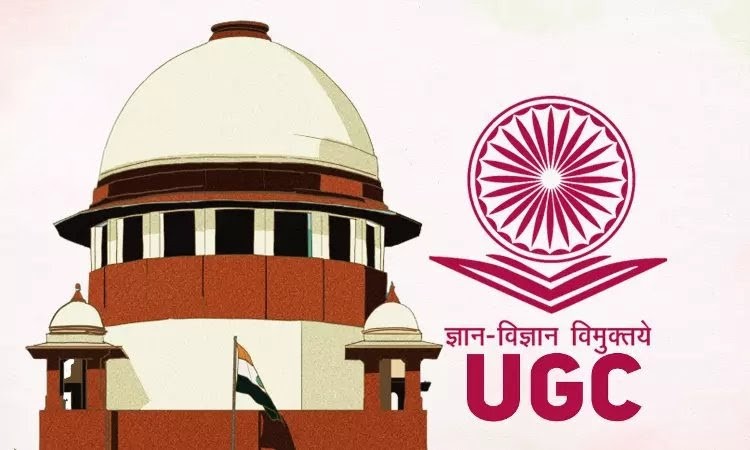
The petition has been filed by advocate Vineet Jindal, who contends that the regulation, in its present form, denies grievance redressal and institutional safeguards to individuals belonging to non-reserved categories who may also face discrimination rooted in caste identity.
According to the petitioner, discrimination based on caste is not confined to constitutionally recognised backward classes and can affect individuals across social categories. By restricting protections to select groups, the regulation allegedly creates an artificial classification that undermines the principle of equality.
Alleged Violation of Fundamental Rights
The plea asserts that denial of access to grievance redressal mechanisms solely on the basis of caste identity amounts to impermissible state discrimination. It claims such exclusion violates Articles 14 and 15(1) of the Constitution, which guarantee equality before law and prohibit discrimination, as well as Article 21, which protects the right to life and dignity.
The petitioner has urged the Supreme Court to restrain authorities from enforcing Regulation 3(c) until it is redefined in a caste-neutral and constitutionally compliant manner.
Demand for Equal Access to Institutional Mechanisms
In addition to challenging the definition, the plea seeks directions to ensure that Equal Opportunity Centres, Equity Helplines, internal inquiry committees, and Ombudsperson proceedings under the regulations are made accessible to all individuals facing caste-based discrimination, irrespective of their caste classification.
The petitioner has requested that these mechanisms operate in a non-discriminatory manner pending reconsideration of the regulation by the Union government and the UGC.
Background of the UGC Regulations
The UGC framed the 2026 regulations following a public interest litigation filed in 2019 by Radhika Vemula and Abeda Salim Tadvi, the mothers of Rohit Vemula and Payal Tadvi. Both students reportedly died by suicide after facing alleged caste-based discrimination at their respective universities.
The petition had urged the creation of a robust institutional framework to prevent caste discrimination on campuses and to provide effective grievance redressal mechanisms.
Supreme Court’s Earlier Observations
In March 2025, the Union government informed the Supreme Court that the UGC had prepared draft regulations addressing the concerns raised in the PIL. The Court had emphasised the need for a strong and effective mechanism to tackle caste-based discrimination in educational institutions.
The Court later permitted the UGC to finalise the draft while allowing stakeholders to submit suggestions. After reviewing feedback, the regulations were officially notified in January 2026.
Case Details
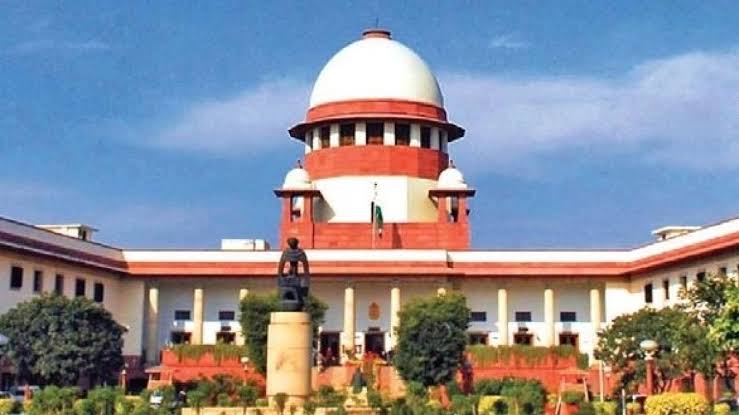
The matter has been registered as Vineet Jindal v. Union of India and Another, Diary No. 5196 of 2026. The Supreme Court is expected to examine whether the regulatory framework aligns with constitutional guarantees of equality and non-discrimination.