A Shocking Turn in a Landmark Terror Case
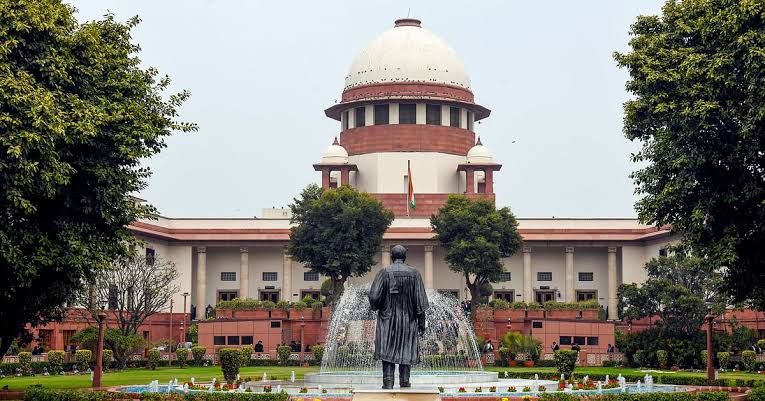
In a significant development, the Supreme Court of India has stayed the Bombay High Court’s recent acquittal of all 12 accused in the 2006 7/11 Mumbai train blasts case. However, the apex court made it clear that the released accused will not be sent back to prison.
This decision comes as the State of Maharashtra filed a Special Leave Petition (SLP) challenging the High Court’s ruling that overturned the convictions, including 5 death penalties and 7 life imprisonments handed down by a special MCOCA court in 2015.
What the Supreme Court Said
The bench, comprising Justice MM Sundresh and Justice NK Singh, issued a notice on the appeal filed by the Maharashtra government. Solicitor General Tushar Mehta, representing the state, requested a stay on the High Court’s findings due to their possible implications on ongoing MCOCA-related trials.
The court observed:
“We have been informed that all the respondents have been released and there is no question of bringing them back to the prison. However, taking note of the submission made by the SG on the question of law, we are inclined to hold that the impugned judgment shall not be treated as a precedent. To that extent, there is a stay of the impugned judgment.”
This essentially blocks the use of the Bombay HC verdict as a legal reference for similar cases, without reversing the physical release of the accused.
 The 7/11 Blasts: A Grim Memory
On July 11, 2006, a series of coordinated bomb blasts tore through Mumbai’s suburban trains. In mere minutes, 189 lives were lost, and over 820 people were injured. It remains one of India’s deadliest terror attacks.
The attacks targeted packed Western Railway trains during peak hours. The bombs were reportedly placed in pressure cookers and detonated across seven locations.
Bombay High Court’s Acquittal Shocked Many
In its July 21, 2025 judgment, the Bombay High Court, led by Justice Anil Kilor and Justice Shyam Chandak, ruled that the prosecution had failed to prove the guilt of the accused beyond reasonable doubt.
The court noted grave issues in the investigation. It pointed out instances of alleged custodial torture and coercion by officers of the Maharashtra Anti-Terrorism Squad (ATS). The judges held that confessions appeared involuntary and planted evidence was suspected.
Convictions Overturned
The now-overturned verdicts had sentenced:
- 5 accused — Kamal Ansari, Mohammad Faisal Ataur Rahman Shaikh, Ehtesham Qutubuddin Siddiqui, Naveed Hussain Khan, and Asif Khan — to death for planting the bombs.
- 7 accused — Tanveer Ahmed Mohammed Ibrahim Ansari, Mohammed Majid Mohammed Shafi, Shaikh Mohammed Ali Alam Shaikh, Mohammed Sajid Margub Ansari, Muzammil Ataur Rahman Shaikh, Suhail Mehmood Shaikh, and Zameer Ahmed Latiur Rehman Shaikh — to life imprisonment.
All twelve were acquitted by the High Court, leading to their release earlier this month.
Why the Stay Matters
While the accused are not being asked to return to jail, the Supreme Court’s stay ensures the Bombay HC ruling does not set a legal precedent. This is crucial because similar cases under the Maharashtra Control of Organised Crime Act (MCOCA) may rely on the same legal interpretations.
According to SG Tushar Mehta, allowing the HC’s observations to stand unchallenged could “undermine ongoing terrorism-related trials” in the state and country.
What Happens Next?
The Supreme Court has now formally accepted the State’s appeal and will hear the matter in due course. The case — The State of Maharashtra v. Mohd Faisal Ataur Rahman Shaikh & Ors | SLP(Crl) No. 10780-10791/2025 — will test the robustness of India’s criminal justice process in high-profile terror investigations.
Legal Experts Weigh In
Many legal commentators believe the Supreme Court is treading a balanced path. “They’re ensuring the integrity of legal standards for evidence and confession, while respecting the accused’s liberty once released,” said Supreme Court lawyer Reena Sharma.
Human rights activists welcomed the refusal to re-arrest the accused but emphasized the need for independent inquiries into ATS practices.
Conclusion: Justice, But With Caution
This case is a classic example of the tightrope the judiciary walks — between upholding national security and safeguarding individual rights. The coming months will be critical in determining whether the original convictions were flawed or the acquittal itself deserves reversal.
For now, the 7/11 case continues to remain an unresolved chapter in India’s legal and emotional memory.