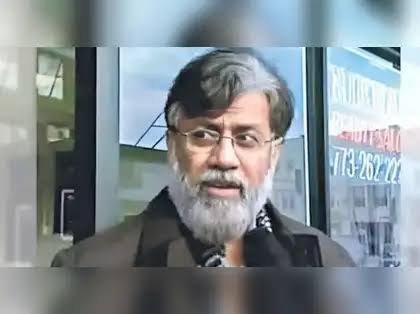
New Delhi: In a development that has stirred deep emotions across the country, Tahawwur Hussain Rana, a key accused in the 2008 Mumbai terror attacks, is finally being extradited to India from the United States after years of legal hurdles and diplomatic back-and-forth. The move marks a significant moment in India’s long-standing quest for justice for the horrific events of 26/11 that left over 170 people dead and hundreds wounded.
 Rana, a Pakistan-born Canadian national, is known to have been closely associated with David Coleman Headley, one of the main conspirators of the Mumbai attacks. Headley, who scouted the targets, had earlier testified to Rana’s involvement, and ever since, India has been seeking his extradition to bring him to trial on its soil.
His return to India was made possible after the U.S. Supreme Court rejected his final plea against extradition. The U.S. Secretary of State had signed the surrender warrant earlier this year, setting in motion the process that culminated this week. Despite concerns raised by Rana’s legal team about the possibility of torture if extradited, the U.S. authorities upheld their commitment under the India-U.S. extradition treaty.
Security has been significantly ramped up outside Delhi’s Patiala House Court, where Rana is expected to be produced shortly. Reports suggest that he will be lodged in Tihar Jail under strict security measures pending his trial.
The extradition has been hailed as a diplomatic milestone for India. Union Home Minister Amit Shah called it a “big success” of the Modi government’s persistent diplomatic efforts and subtly criticized previous administrations for failing to bring Rana to India. Many, however, have voiced frustration over the 17-year wait, despite credible evidence having been presented years ago. Former diplomat KP Fabian remarked that the process was agonizingly slow and questioned whether such delays would have been tolerated had the roles been reversed.
For survivors and families of victims, this extradition brings a sense of long-awaited justice. Devika Rotawan, one of the youngest survivors of the attack, expressed immense relief and called the moment “India’s biggest victory against terrorism.” Her words echoed the emotions of millions who had watched the tragic events unfold on live television in 2008.
Ordinary citizens who showed immense courage during the attacks, like Mohammed Taufiq, who earned the nickname ‘Chhotu’ for saving lives at CST station, also voiced strong opinions. He hoped the legal process would not drag on and demanded swift justice without the frills or leniency that had stirred public outcry in the past.
The government has appointed Narender Mann as the special public prosecutor for Rana’s trial. Legal experts and citizens alike hope that the case will now progress swiftly and provide a sense of closure for a nation that still bears the scars of that dark November night.
Rana’s extradition may be just one chapter in the long pursuit of justice, but it brings back into focus the pain of 26/11, the resilience of its victims, and the country’s determination to never forget.