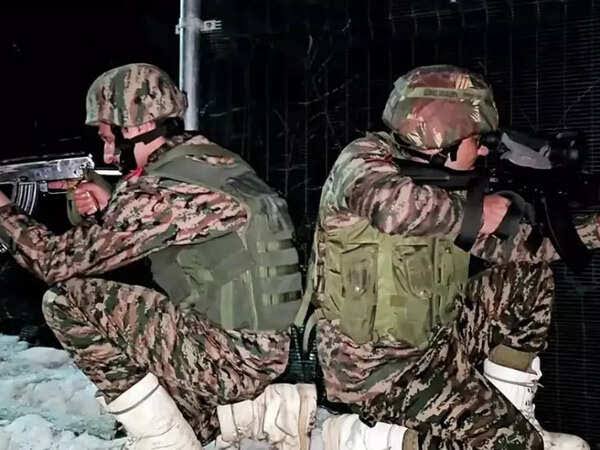
Tensions between India and Pakistan have reached a worrying high, as cross-border firing along the Line of Control (LoC) entered its twelfth consecutive night. In response to the deteriorating security situation, National Security Advisor Ajit Doval met Prime Minister Narendra Modi in New Delhi just a day before a planned nationwide security drill, underscoring the seriousness of the current standoff.
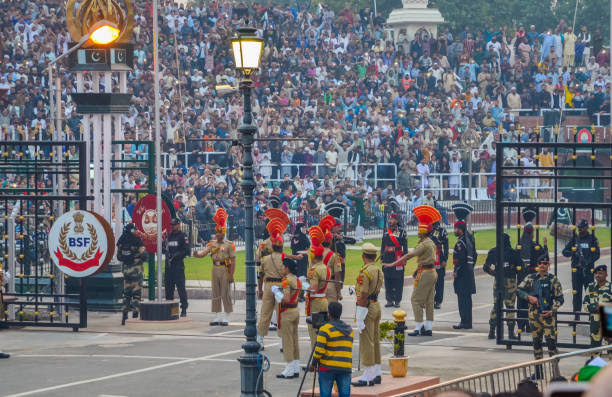
The crisis escalated following the horrifying terror attack in Pahalgam, where 25 Indian tourists and a local pony ride operator were killed. The brutality of the attack has left the nation in mourning, and fingers are now pointed towards Lashkar-e-Taiba, a Pakistan-based terror group, for their alleged involvement.
The international community has taken note. In an urgent closed-door meeting at the United Nations Security Council, several member nations expressed grave concerns over Pakistan’s role in the attack and raised tough questions about Islamabad’s continued tolerance of terrorist groups operating from its soil. The UNSC members did not accept the “false flag” narrative often promoted by Pakistan and instead emphasized the need for accountability. Concerns were also raised over Pakistan’s recent missile tests and aggressive rhetoric, which many fear could further destabilize the region.
Pakistan’s representative to the UN, Ambassador Asim Iftikhar Ahmad, responded by claiming that Pakistan’s objective at the meeting had been “largely served.” He reiterated Pakistan’s desire for peace and dialogue while strongly asserting that the country is fully prepared to defend its sovereignty. He also criticized India’s suspension of the Indus Waters Treaty, calling water a lifeline rather than a weapon, and insisted that the rivers flowing into Pakistan are crucial for more than 240 million people.
Meanwhile, on the ground in India, the threat of further violence remains. The Punjab Police, working with central intelligence agencies, uncovered a significant cache of arms and explosives during a joint operation in the forest area near SBS Nagar. The items included rocket-propelled grenades, IEDs, and a wireless communication set—evidence pointing to a coordinated attempt by Pakistan’s ISI and terror networks to reactivate dormant cells in Punjab.
Military officials from both countries continue to hold hotline talks to manage the situation, with the third such discussion since the April 22 attack scheduled today. Despite these lines of communication, the unprovoked firing from across the border shows no signs of abating. Indian forces have responded proportionately, according to defence officials.
The ongoing hostilities have left citizens living near the LoC in a constant state of fear. Children have been kept away from schools, families are avoiding venturing out after dark, and local economies are suffering under the shadow of insecurity. The Indian government is preparing security drills across the country, indicating that vigilance remains high in the face of growing threats.
As the world watches closely, there is a growing hope that sanity and dialogue will prevail over violence. But for now, the situation remains tense, and the memories of innocent lives lost in Pahalgam continue to weigh heavily on the nation’s conscience.