India’s tribal communities form a vital part of the nation’s rural economy and cultural diversity. Recognizing their potential and challenges, the Government has launched a series of initiatives aimed at empowering tribals, especially in rural areas. These development schemes focus on livelihood generation, skill enhancement, and market integration.
Handicrafts as a Tool for Empowerment
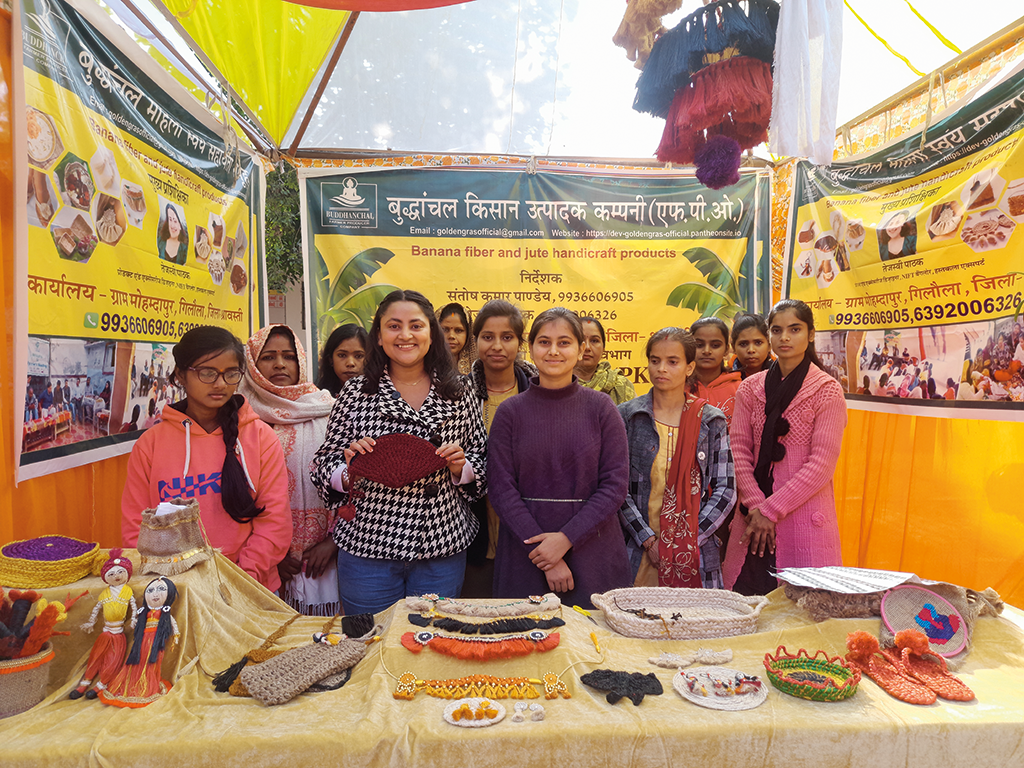
The Ministry of Textiles plays a key role in supporting tribal artisans. Through two major schemes—the National Handicraft Development Programme (NHDP) and the Handicrafts Cluster Development Scheme (CHCDS)—the government is helping artisans sharpen their skills and boost their income.
These schemes support a wide range of activities:
- Marketing assistance through events like Gandhi Shilp Bazaar and Dilli Haat
- Promotion via e-commerce platforms
- Formation of Producer Companies
- Skill development and infrastructure building
For instance, in Bihar’s West Champaran district, 646 tribal artisans have received Pahchan Identity Cards. These artisans can now sell their handicraft products both online and offline, expanding their reach and increasing their income potential.
 Pradhan Mantri Janjatiya Vikas Mission (PMJVM)
The Ministry of Tribal Affairs implements the Pradhan Mantri Janjatiya Vikas Mission (PMJVM) to bring socio-economic upliftment to tribal groups. Under this mission, the Tribal Cooperative Marketing Development Federation of India (TRIFED) plays a crucial role in linking tribal producers to markets.
In Bihar, 56 artisans and producers from the Tharu tribal community have been empanelled by TRIFED. Over 405 families are now benefitting from the marketing and sales of their handcrafted goods. These initiatives not only generate income but also preserve and promote tribal culture.
Tharuhat Region’s Integrated Development
The Tharuhat region of West Champaran is witnessing focused development through the efforts of the Integrated Tharuhat Development Agency. Several schemes are running simultaneously to enhance the cultural and economic status of the Tharu people.
Major developments include:
- Construction of a fully functional weaver’s workshop-cum-residential building in Harnatand Panchayat, Bagaha-2 block
- Approval of a handloom building at Mishrauli in the same region
These infrastructure projects not only provide self-employment but also encourage younger generations to carry forward traditional weaving and crafting practices.
Jeevika: Building Livelihoods through Self-Help Groups
The Government of Bihar is actively integrating tribal communities into mainstream economic activities through Jeevika, a flagship rural livelihood program.
In 43 Panchayats of the Tharuhat region (including Sidhauv Block, Ramnagar, Gaunaha, and Mainatanr), a total of 77,871 families have been connected to 6,378 Self-Help Groups (SHGs). These SHGs are vital platforms for financial independence, peer support, and entrepreneurial growth for tribal women and families.
Impact at the Grassroots
The ripple effects of these initiatives are visible. Tribal artisans are now exhibiting at national fairs. Young Tharu women are learning handloom weaving. Entire villages are transitioning from subsistence to sustainable living. Income security, cultural pride, and confidence are growing steadily among the communities involved.
Challenges and the Way Forward
Despite these successes, challenges remain. Limited access to markets, digital platforms, and formal credit still hinder many tribal entrepreneurs. Strengthening digital literacy and local infrastructure will be crucial for long-term impact.
However, the integrated approach—combining handicrafts, skill-building, self-help groups, and direct market access—offers a scalable model for rural tribal development.
Conclusion: A Self-Reliant Future for Tribals
Through programs like NHDP, PMJVM, and Jeevika, tribal communities in rural India are moving toward self-reliance. Government support is helping them leverage their traditional strengths in crafts and community to build secure, dignified livelihoods.
The transformation underway in West Champaran’s Tharuhat region is just one example of what is possible when targeted schemes meet strong local will. With continued support and monitoring, such models can be replicated nationwide, fulfilling the promise of inclusive rural development.