


Key GST revisions move several items from 12–18% down to 5%—a step intended to improve price competitiveness and expand market access for Tripura goods. The new rates apply to unstitched and certain stitched handloom garments (stitched apparel up to ₹2,500), packaged and instant tea, silk handicrafts and bottled fruit juices, including the state’s famed Tripura Queen Pineapple juice.
Handlooms: cultural craft meets market push
Handloom weaving—anchored by GI-tagged Tripura Risa and Pachra–Rignai—employs a large share of tribal women and small households. With fabrics and stitched apparel moving to the 5% slab, the effective retail prices of woven garments are expected to fall, widening demand in domestic urban markets and curated online channels.
Local producer networks such as the Killa Mahila Cluster Level Federation and Tripura Handloom & Handicrafts Development Corporation (THHDC) could see improved margins and higher off-take at regional craft fairs and e-commerce platforms.
Tea: lower taxes to sharpen export and domestic edge
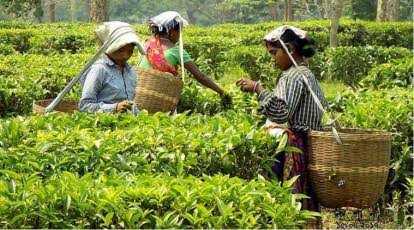
Tripura’s tea sector—comprising 54 estates and about 2,755 small growers—now has packaged and instant tea at 5% GST, down from 18%. This price adjustment can reduce retail friction and help exporters and auction-based sellers offer more competitive pricing in Guwahati, Kolkata and abroad.
Sericulture: silk producers gain breathing space
About 15,550 farmers engaged in mulberry and non-mulberry silk activities across the state stand to benefit. Lower GST on silk handicrafts reduces downstream costs for reeling units and small artisans, helping silk products from Tripura compete more effectively against other regional handloom-silk producers.
Food processing: value addition for pineapple and more
Tripura’s food processing sector—primarily micro and small units under schemes such as PM-FME—includes roughly 2,848 processing enterprises. The 5% GST on fruit and mixed juices, including Tripura Queen Pineapple juice, lowers output tax burdens and supports packaged product competitiveness in domestic and export markets.
Rural livelihoods and local value chains
Lower taxes are expected to improve margins across the value chain—from farmers and weavers to processors and small traders. The change may encourage formalisation, better packaging and expanded supply to metropolitan retail and export channels, thereby strengthening rural incomes and employment.
Policy caveats and next steps
While GST relief eases immediate cost pressures, sustained growth will depend on complementary measures—market linkages, quality certification, logistics upgrades and continued support from state missions such as the Tripura Rural Livelihood Mission (TRLM) and THHDC. Monitoring outcomes will be important to ensure benefits reach small producers and marginal households.
For official details and state-level figures, readers can consult the Tripura government’s economic review and the Press Information Bureau release on GST rationalisation.