U.S. President Donald Trump is once again in the global spotlight—this time for stepping into Southeast Asia’s escalating border conflict. His diplomatic intervention between Cambodia and Thailand has led to an initial ceasefire agreement. However, it was his sudden reference to the India-Pakistan conflict that reignited headlines and debates alike.
Ceasefire Deal in Principle Between Cambodia and Thailand
On July 27, 2025, Thailand confirmed it had agreed “in principle” to a ceasefire with Cambodia. The move comes after weeks of bloody fighting along their shared border, marking the worst escalation in over a decade.
Cambodian Prime Minister Hun Manet welcomed Trump’s late-night intervention and announced that Cambodia was open to “bilateral dialogue.” He said Cambodia’s Foreign Minister would coordinate with U.S. Secretary of State Marco Rubio to ensure peaceful negotiations with Thailand.
However, Hun Manet warned Bangkok against breaching any agreement, signaling underlying tensions remain.
 Humanitarian Crisis Deepens on the Border
The clashes have taken a heavy toll on civilians. According to Cambodia’s Information Minister Neth Pheaktra, nearly 10,865 families—about 37,635 individuals—have fled their homes across three provinces.
On the Thai side, authorities report over 131,000 people displaced from villages near the border.
The mass evacuation underscores the humanitarian urgency of the ceasefire. Aid agencies, including the International Red Cross and local NGOs, are on high alert as relief efforts ramp up.
Trump Draws Parallel with India-Pakistan Conflict
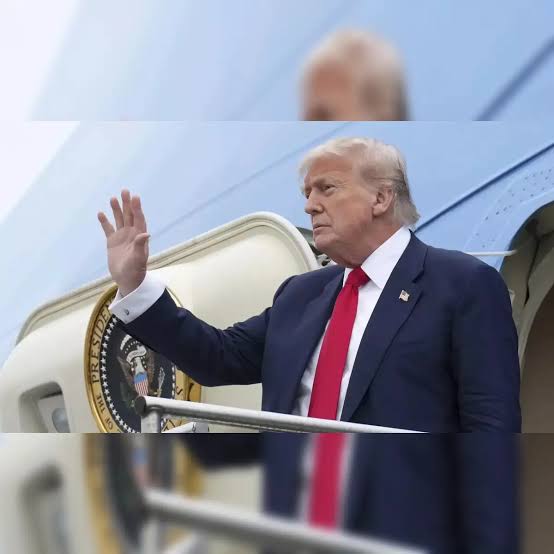
While applauding the Cambodia-Thailand truce, President Trump made a controversial comparison. Speaking to reporters in Scotland, he said, “We’ve stopped worse conflicts before—look at India and Pakistan. We didn’t get credit then, and we’re not asking for it now.”
This isn’t the first time Trump has cited the India-Pakistan issue in global contexts. In 2020 and 2022, he offered to mediate the Kashmir dispute—offers India rejected firmly.
India Reacts to Trump’s Remark
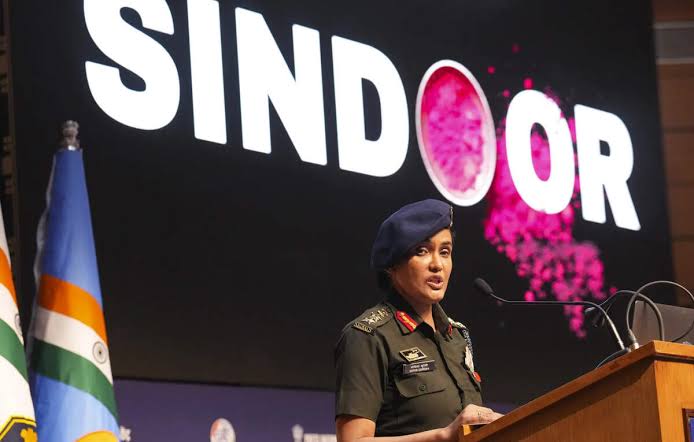
Responding swiftly, Prime Minister Narendra Modi reiterated that no such mediation proposal was entertained during “Operation Sindoor”—a recent military exercise in northern India.
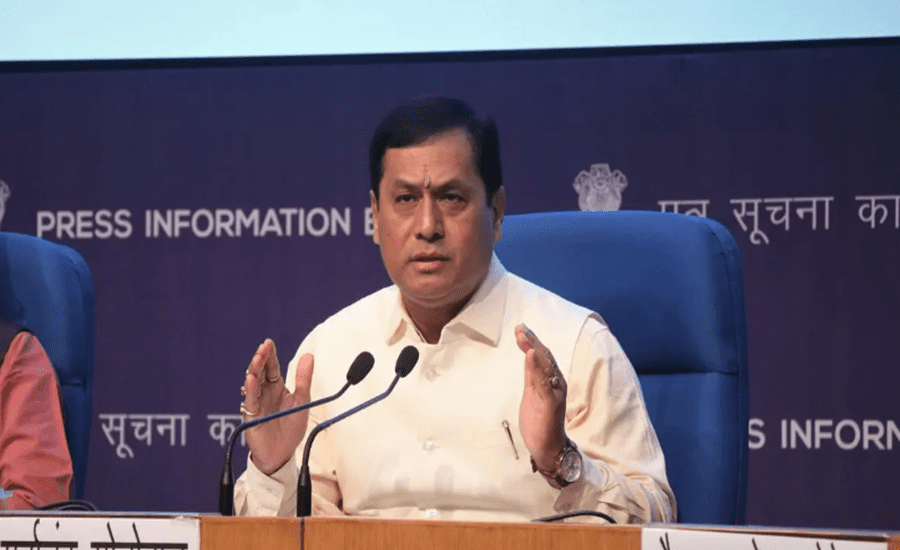
India’s Ministry of External Affairs (MEA) issued a statement clarifying that the country’s position on third-party involvement in the Kashmir issue remains unchanged: “Kashmir is a bilateral issue between India and Pakistan. No external mediation is required.”
Global Attention on Southeast Asia
The Cambodia-Thailand clashes have attracted worldwide concern. India’s MEA also released an advisory for its nationals in Southeast Asia, urging caution and announcing helpline numbers for Indian travelers in both countries.
Analysts believe Trump’s involvement is not purely humanitarian. Both Cambodia and Thailand are strategic to U.S. trade and security interests in the region—especially in the face of China’s growing influence through its Belt and Road Initiative (BRI).
Why This Matters for India
Though the direct conflict doesn’t involve India, Trump’s mention brings renewed focus to South Asia’s longstanding issues. It also puts India in the global diplomatic spotlight during a time of rising regional tensions.
Furthermore, any instability in ASEAN nations can disrupt trade routes and regional supply chains, affecting Indian exports, particularly in textiles and electronics.
Looking Ahead: Will Ceasefire Hold?
While the ceasefire announcement is promising, it remains fragile. Past agreements between Cambodia and Thailand have failed due to mutual mistrust and nationalist sentiments.
For now, Trump continues to tout the agreement as proof of his global leadership. Whether peace holds—or his India-Pakistan remark overshadows the effort—remains to be seen.