The United States has temporarily halted the scheduling of new student visa interviews worldwide, a move that has left thousands of aspiring international students, including many from India, in a state of uncertainty and concern. The decision, which stems from the Trump administration’s plan to expand the vetting of applicants’ social media activity, has raised fears of delays and disruptions in academic journeys already impacted by policy shifts in recent months.
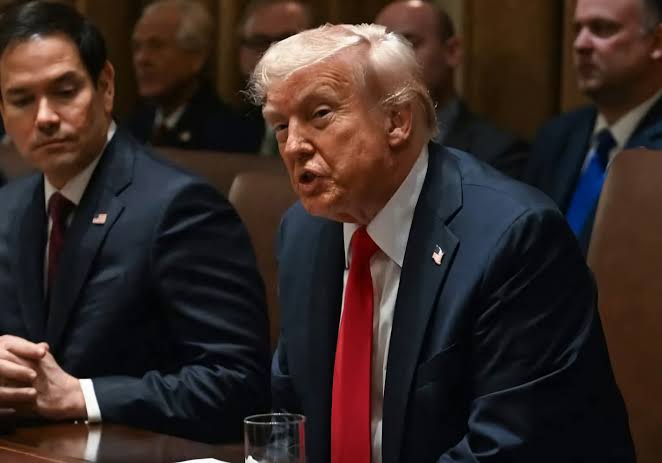 According to a U.S. government official, the pause in scheduling is not permanent and will not affect students who have already secured interview slots. However, for those still waiting, this suspension comes at a critical time when many had planned to begin their education in the upcoming summer or fall terms. The official spoke anonymously, referencing a cable signed by Secretary of State Marco Rubio, which directs consular offices to stop adding new student or exchange visa appointments until further notice. The State Department is expected to soon release guidelines detailing the expanded social media checks.
This latest measure follows a series of decisions under the Trump administration that have made life increasingly uncertain for international students. Just last week, the U.S. government revoked Harvard University’s authority to enroll foreign students—a move that was immediately challenged in court and temporarily blocked by a federal judge. Earlier this year, the administration also stripped legal status from thousands of international students, although it was later reinstated following successful legal appeals.
State Department spokesperson Tammy Bruce defended the administration’s stance, saying the U.S. must use every available tool to thoroughly vet individuals entering the country, whether students or others. But the impact of such strict measures is already being felt on the ground. For many students who have spent years preparing for a U.S. education, this abrupt suspension adds another layer of anxiety and financial risk. Stories of delays, revoked status, and fear of deportation have become all too common, especially among those who’ve left their families behind in hopes of building a better future.
Universities, too, are feeling the pressure. Over the years, many institutions have come to rely on international students not just for their cultural contributions but also for the tuition revenue they bring. With declining federal research funding, foreign students—many of whom pay full fees—have become vital to sustaining academic programs. An extended pause in student visa processing could result in a noticeable dip in enrollment and strain university budgets further.
For countless young scholars across the globe, including from countries like India where U.S. education is seen as a pathway to opportunity and growth, this suspension has cast a shadow over their dreams. As they await clarity and guidance, the hope remains that the U.S. will balance security concerns with compassion and a commitment to educational exchange. After all, at the heart of these policies are real lives, aspirations, and the promise of shared progress.