 Deaths Reported Across Multiple States
The rising death toll highlighted the storm’s widespread impact. In New York City alone, officials confirmed that at least eight people were found dead outdoors during the frigid weekend, though investigations are ongoing to determine exact causes.
Police in Kansas discovered the body of a 28-year-old teacher covered in snow after she was last seen leaving a bar without her coat or phone. In Massachusetts and Ohio, two individuals died after being struck by snowplows, while fatal sledding accidents claimed the lives of teenagers in Arkansas and Texas.
Authorities reported additional deaths in Louisiana, Pennsylvania, Tennessee, Mississippi, New Jersey, and other states, underscoring the storm’s deadly reach.
Power Outages Leave Hundreds of Thousands in the Cold
Freezing rain proved especially destructive in southern states, snapping power lines and toppling trees. By Monday afternoon, more than 750,000 power outages were recorded nationwide, with the worst-hit areas including Mississippi and parts of Tennessee.
Mississippi faced its most severe ice storm since 1994. Local administrations rushed to set up warming centres equipped with cots, blankets, generators, and bottled water as residents struggled through subzero nights without heating.
The University of Mississippi cancelled classes for the entire week after its Oxford campus was coated in thick ice. The city’s mayor described scenes of devastation, saying fallen trees and power lines made streets resemble tornado paths.
Transport Disrupted as Flights and Roads Shut Down
Transport systems across the country buckled under the storm’s force. Nearly 14,000 flights were cancelled over two days, with Monday alone seeing more than 8,000 delays and cancellations, according to flight tracking agencies.
Sunday marked the highest single-day flight cancellation rate in the U.S. since the COVID-19 pandemic. Snow-covered highways, icy bridges, and poor visibility forced authorities to shut down major roadways and suspend public transport services in several cities.
Record Cold Grips the Nation
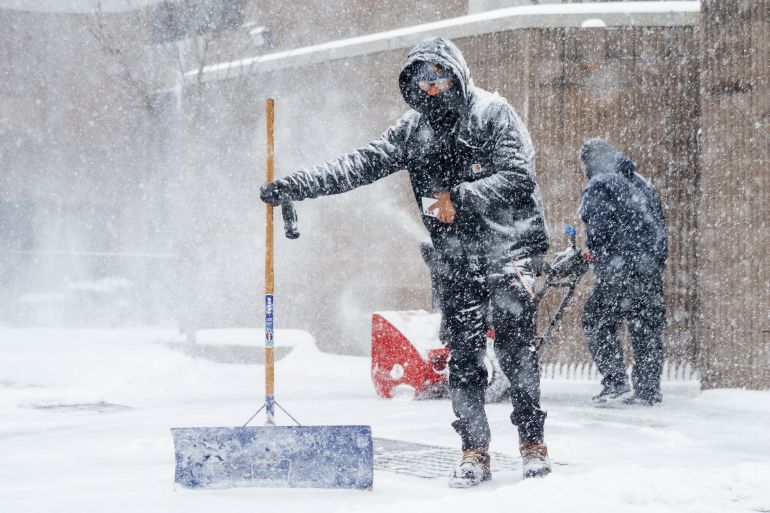
As the storm moved eastward, a wave of bitter cold followed in its wake. Large parts of the Midwest, South, and Northeast recorded subzero temperatures, with wind chills dropping to as low as minus 31 degrees Celsius in some regions.
Meteorologists noted that the contiguous United States was on track to experience its coldest average low temperature since 2014. Only unusually warm conditions in Florida prevented the national average from dipping even further.
In cities like Nashville, hotels quickly filled up as residents sought refuge from powerless homes. Families with infants, elderly members, or medical needs were particularly vulnerable during prolonged outages.
Global Context and Indian Perspective
Extreme weather events such as this U.S. winter storm highlight the growing volatility of global climate patterns. Indian meteorological authorities have also warned of increasing frequency of extreme weather episodes, including cold waves and heatwaves.
According to the India Meteorological Department, climate variability is intensifying seasonal extremes worldwide. Disaster preparedness and resilient infrastructure, experts say, are becoming increasingly crucial.
Emergency Response Continues
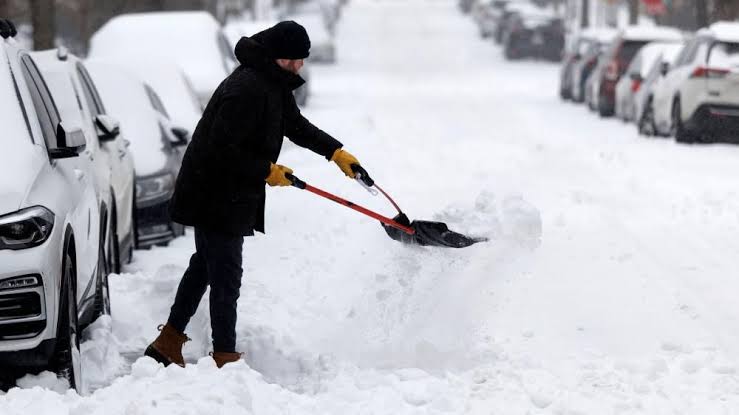
Emergency crews across the United States continue to clear roads, restore electricity, and assist stranded residents. While snowfall in parts of New England is expected to taper off, authorities warned that icy conditions and extreme cold could persist.
Officials urged residents to limit travel, check on vulnerable neighbours, and follow local advisories as recovery efforts remain underway.