India Unveils Two Genome-Edited Rice Varieties, Marking Major Agricultural Breakthrough
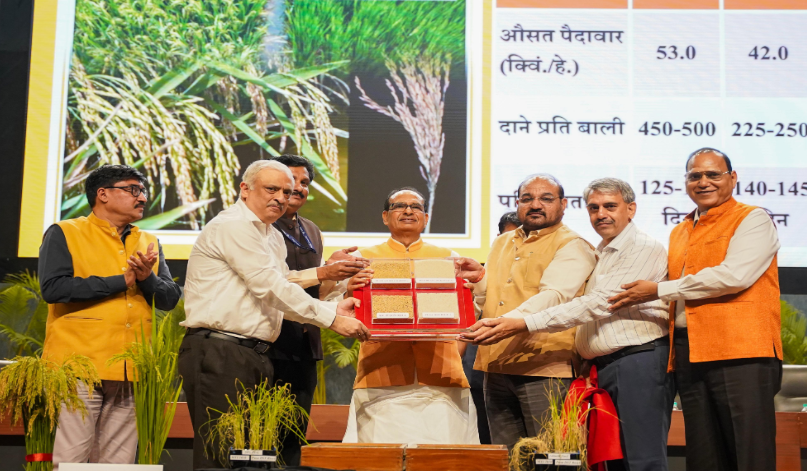
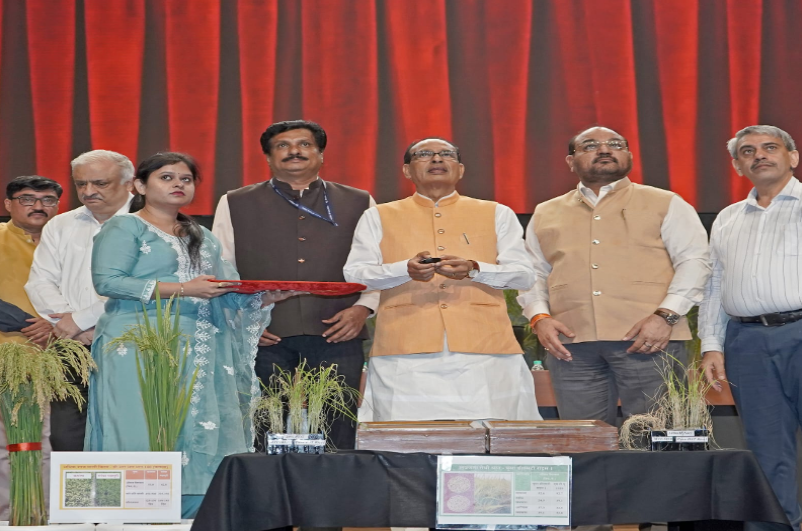
Union Agriculture and Farmers Welfare Minister Shri Shivraj Singh Chouhan today announced the development of two genome-edited rice varieties—DRR Rice 100 (Kamla) and Pusa DST Rice 1—at a landmark event held at the Bharat Ratna C. Subramaniam Auditorium, NASC Complex, New Delhi. Developed by ICAR using advanced CRISPR-Cas genome-editing technology, these new varieties mark a significant leap in India’s push for sustainable, high-yield agriculture.
“Under the leadership of Prime Minister Narendra Modi, India has reached a historic milestone in scientific research,” said Shri Chouhan. “This is a golden opportunity for the agricultural sector and a new chapter in our journey toward a second Green Revolution.”
The event was attended by a large gathering of scientists and farmers, reflecting the significance of this scientific achievement.
Key Features of the Genome-Edited Rice Varieties:
- DRR Rice 100 (Kamla): Developed by ICAR-IIRR, Hyderabad, based on Samba Mahsuri. Matures 20 days earlier, increases grain count per panicle, and offers strong stalks and reduced methane emissions.
- Pusa DST Rice 1: Developed by ICAR-IARI, New Delhi, based on MTU 1010. Offers up to 30.4% higher yield in saline and alkaline soils, with improved stress tolerance.
Both varieties are non-GMO and have been developed using SDN 1 and SDN 2 genome editing techniques, which are permitted under India’s biosafety regulations. They are suitable for widespread cultivation across multiple agro-climatic zones, including Andhra Pradesh, Telangana, Tamil Nadu, Odisha, West Bengal, and others.
These innovations are expected to bring the following benefits:
- 19% increase in yield
- 20% reduction in greenhouse gas emissions
- 7,500 million cubic meters of irrigation water saved
- Enhanced resilience to drought, salinity, and climate change
A Step Toward Sustainable Agriculture
Highlighting the broader impact, Shri Chouhan said these varieties represent a perfect balance of productivity and environmental responsibility. They will not only increase agricultural output but also significantly reduce environmental stress, he noted.
He also introduced the “Minus 5, Plus 10” strategy—reducing rice cultivation area by 5 million hectares while increasing output by 10 million tons—thus freeing land for pulses and oilseeds to boost nutritional and economic outcomes.
The Minister praised ICAR scientists for their groundbreaking work and honoured key researchers involved in the development of the two rice varieties. He urged young farmers to embrace modern farming technologies and called for deeper collaboration between scientists and cultivators.
Institutional Support and Future Plans
ICAR officials, including Dr. M.L. Jat (DG, ICAR), Dr. Devendra Kumar Yadava (DDG, Crop Science), and other senior researchers addressed the event. They emphasised the importance of demand-driven research and incorporating farmer feedback into the R&D pipeline.
In line with the Government of India’s ₹500 crore budget allocation for genome editing in crops, ICAR has initiated similar research for oilseeds and pulses, further strengthening India’s agricultural resilience and export potential.
Today’s achievement will be written in golden letters,” Shri Chouhan said. “With science at the forefront, India is on its way to becoming the food basket of the world.