Carpets and Handwoven Rugs
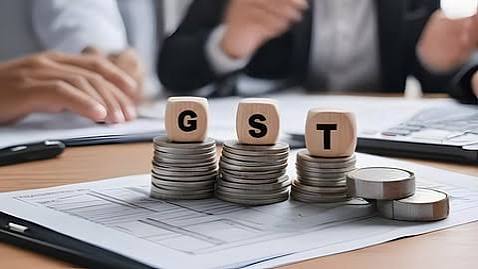
The Bhadohi–Mirzapur–Jaunpur carpet cluster, India’s largest hand-knotted carpet hub, employs over 63,000 artisans in Bhadohi alone, sustaining up to 1.4 lakh livelihoods. With GST cut from 12% to 5%, handmade carpets are expected to become 6–7% cheaper, boosting both domestic sales and international exports, while easing working-capital pressures for family-run looms and SMEs.
 Brassware, Leather, and Embroidery
Moradabad’s brassware cluster, employing up to 60,000 artisans, will see similar gains with 6% lower costs. Kanpur and Agra leather and footwear clusters, which employ 1.5 million workers, benefit from GST reduction, enhancing MSME competitiveness and export margins. Traditional embroidery sectors, including Lucknow Chikankari and Varanasi Zardozi, also enjoy 6–7% cost relief, supporting household incomes, especially for women artisans.
Glassware, Ceramics, Pottery, and Toys
Firozabad glassware, Khurja ceramics, Gorakhpur terracotta, and Meerut sports goods clusters are expected to see reduced costs, boosting sales during festive seasons and stabilising small-scale units. Wooden toys and crafts from Saharanpur and Varanasi, as well as eco-friendly handmade paper products, are set to become more affordable, supporting local markets and exports while sustaining traditional skills.
Food and Sweet Clusters
Agra Petha, a GI-registered ODOP product, produced in small family-run units, benefits from GST cuts from 12/18% to 5%, lowering retail prices and encouraging tourist and festive sales. This ensures stability for thousands of workers involved in production, packaging, and distribution.
Industrial and Infrastructure Impact
The GST reduction for cement from 28% to 18% makes construction materials more affordable for developers and households. This not only lowers housing and infrastructure costs but also strengthens industrial competitiveness, encourages plant expansion, and benefits transport and logistics services.
Conclusion
The GST rationalisation in Uttar Pradesh provides a targeted boost to the state’s economy, improving affordability, sustaining artisan livelihoods, and enhancing MSME and export competitiveness. By supporting ODOP and GI-recognised products alongside large-scale industries, these reforms advance the vision of Atmanirbhar Bharat and Viksit Bharat 2047, where traditional crafts and modern industries grow in tandem.