 Essential vs. Non-Essential Services
While essential workers—including military personnel, border agents, and air traffic controllers—will remain on duty without pay, non-essential employees face temporary unpaid leave. Services such as in-hospital medical care, Medicare payments, and border security will continue, but passport issuance, student loan processing, and national park operations may be suspended.
the law requires agencies to halt activities that do not protect life or property during a funding lapse. Social Security checks will still be dispatched, though verification processes may be delayed.
Economic Fallout Looms
Economists warn the shutdown could shave 0.1 to 0.2 percentage points off US economic growth for every week it lasts. The standoff adds uncertainty to markets and risks undermining public confidence in government operations. A similar shutdown during Donald Trump’s first term in 2018 lasted five weeks and had widespread consequences.
this shutdown is likely to be more disruptive, given that fewer funding bills have been pre-approved this time.
Trump Raises Stakes
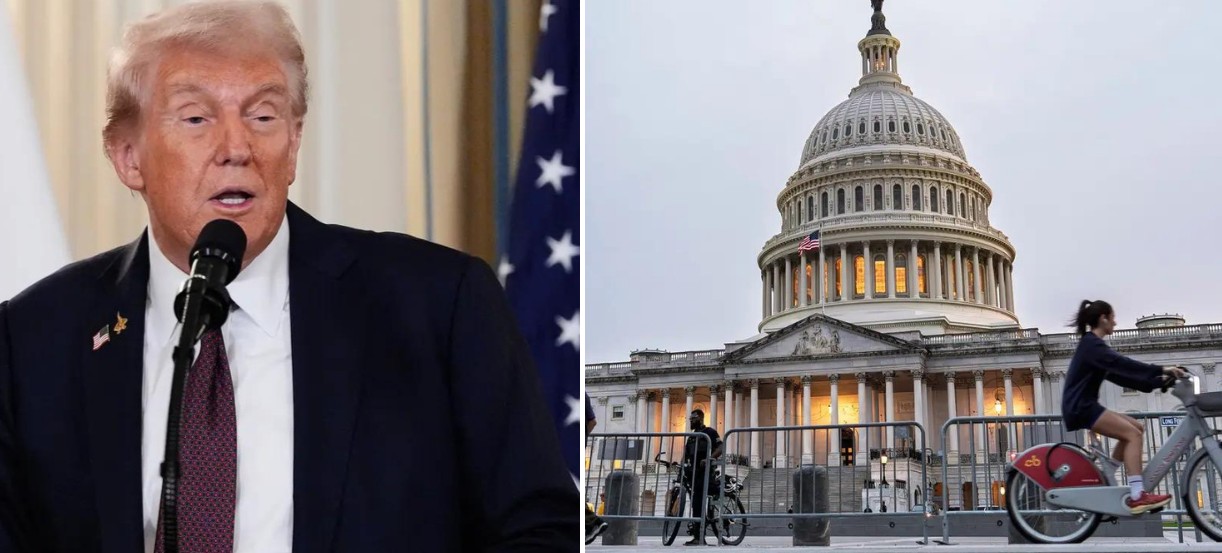
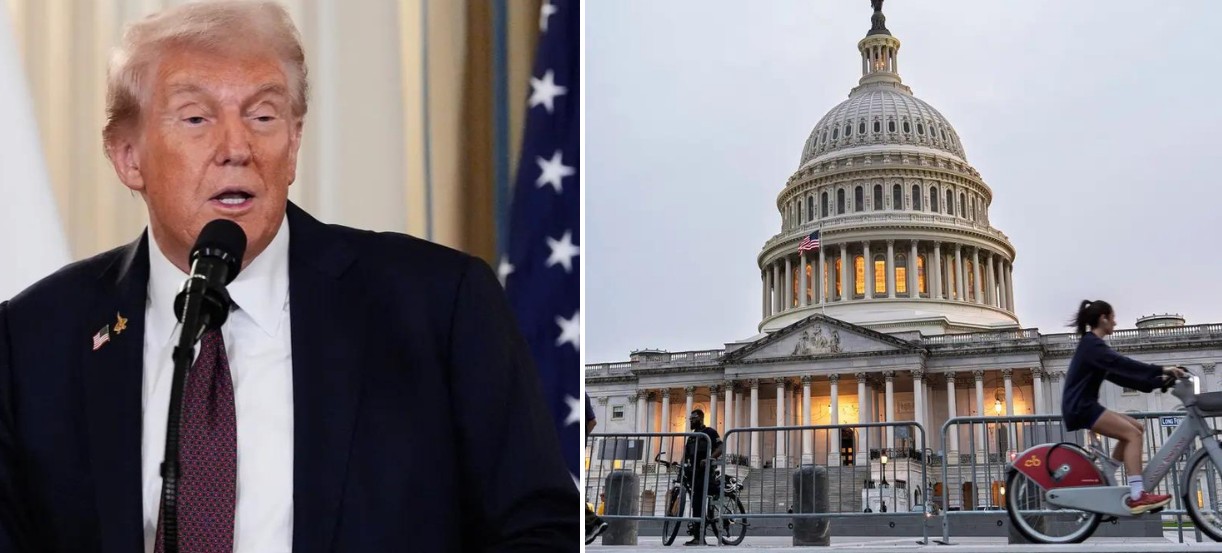
President Donald Trump has escalated tensions, warning that he could permanently dismiss federal employees if the standoff drags on. “We’ll be laying off a lot of people. They’re going to be Democrats,” Trump remarked, drawing sharp criticism from opposition lawmakers. Reports suggest that more than 150,000 federal workers are already set to leave payrolls this week due to buyouts—the largest such exit in eight decades.
Democrats have refused to pass a funding bill that excludes permanent Affordable Care Act (ACA) subsidies, arguing that millions of Americans could otherwise face higher healthcare costs. Republicans counter that Democrats are “holding the budget hostage” ahead of the 2026 midterm elections.
Impact on Americans
The effects of the shutdown are expected to be felt quickly. Travel delays may occur if unpaid Transportation Security Administration (TSA) and air traffic control staff call in sick. Food inspections and some public health programs at the Food and Drug Administration (FDA) could be curtailed, raising safety concerns. Federal assistance programs, including food benefits and early childhood education initiatives, face disruptions if the deadlock continues.
Uncertain Road Ahead
Since 1981, the US government has shut down 15 times, usually lasting only a few days. But this standoff shows no immediate path toward compromise. Healthcare remains the central sticking point, with Democrats insisting on securing ACA subsidies before approving a spending package.
As the Capitol braces for extended negotiations, the American public is left waiting—uncertain when federal operations will resume or how deeply the political gridlock will cut into their daily lives.