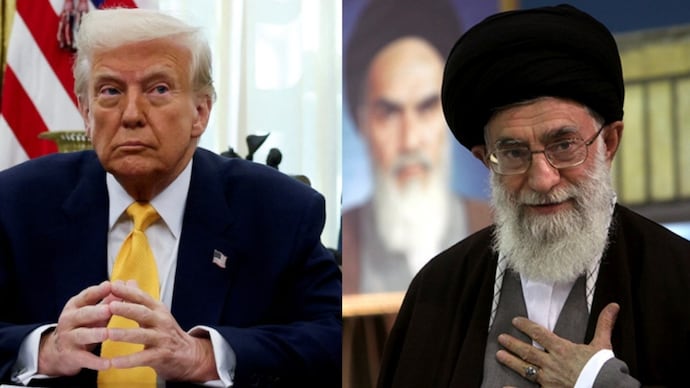
New Delhi: The United States is reportedly prepared to launch military strikes against Iran as early as this weekend, but President Donald Trump has not yet taken a final decision. The potential action comes amid a significant buildup of American air and naval power across the Middle East.
 Military Build-Up Signals Serious Intent
According to multiple international media reports, the US military has informed top leadership that it could execute strikes within days if authorised. Fighter jets, strategic bombers, refuelling aircraft and naval assets have been repositioned to key bases across the Gulf region.
Defence analysts say this is the largest American air power presence in the Middle East since the 2003 Iraq invasion. The rapid mobilisation suggests Washington wants to maintain operational readiness while keeping diplomatic options open.
Trump Yet to Take Final Call
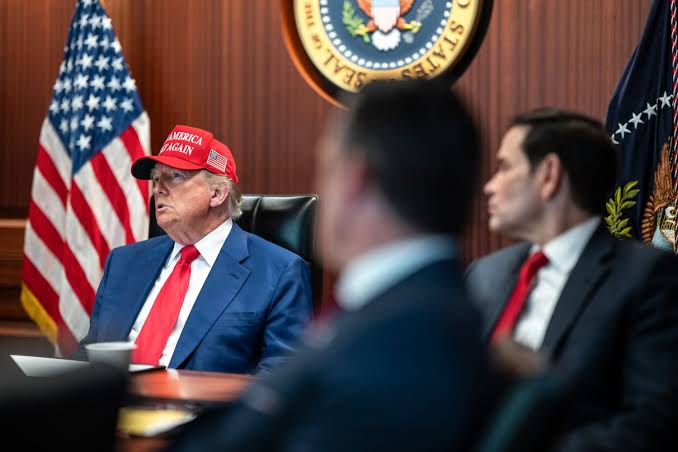
President Donald Trump has reportedly been briefed in detail about military options, potential targets and risk assessments. However, sources indicate that he has not signed off on any direct action so far.
The delay underscores the gravity of the decision. Any US strike on Iran could trigger a broader regional escalation, affecting oil markets, shipping lanes and global security. The White House is said to be weighing both strategic and political consequences before making a move.
Rising Tensions in the Region
The latest developments come at a time of heightened tensions between Washington and Tehran. Military planners are reportedly focusing on ensuring rapid response capabilities while also reinforcing regional allies.
The Middle East remains a sensitive geopolitical flashpoint. Experts warn that even limited strikes could lead to retaliatory measures from Iran or its allied groups, potentially widening the conflict.
India has consistently advocated for dialogue and diplomatic resolution in international conflicts. The Ministry of External Affairs has in past crises urged restraint and stability in the Gulf region.
Global Economic Implications
Any escalation between the US and Iran may have immediate consequences for global oil prices. The Strait of Hormuz, a crucial maritime chokepoint, handles a significant share of the world’s crude oil shipments.
Market volatility could increase sharply if hostilities begin. Energy-importing nations, including India, would closely monitor developments.
Diplomacy vs. Military Action
While the US appears prepared for military action, diplomatic channels have not entirely closed. Historically, moments of peak tension have sometimes resulted in last-minute negotiations.
Strategic experts argue that signalling strength through deployment can also serve as a pressure tactic. Whether this buildup is meant as deterrence or prelude to direct strikes remains unclear.
For now, the world watches closely as President Trump weighs one of the most consequential decisions of his presidency. A final call could reshape regional security dynamics and influence global politics in the weeks ahead.