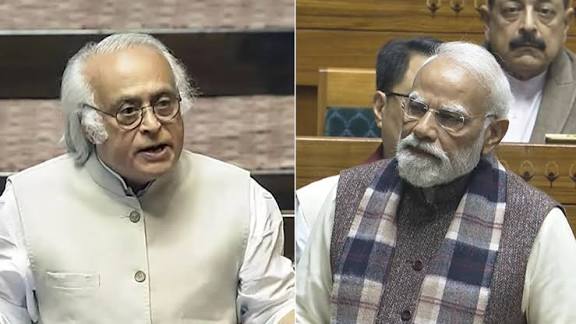
 Arguments, counter-arguments
On the government side, speakers said the celebration was meant to “raise awareness” about the song’s cultural importance and to restore what they described as its full historical context. Several ministers insisted that Vande Mataram united Indians during phases of colonial suppression and regional division.
The opposition pushed back vigorously. Congress MPs questioned the timing and motive for the debate, with Priyanka Gandhi Vadra asking why the House was focused on the national song amid pressing national issues and upcoming state polls. She and other leaders accused the ruling party of using the anniversary for electoral messaging rather than sober historical reflection.
History and contested lines
Journalists and historians have long noted that while Bankim Chandra Chatterjee’s poem (from his novel Anandamath) was widely sung in the freedom struggle, some stanzas were later omitted for communal sensitivity in official settings. That historical complexity featured in the Lok Sabha speeches as MPs referenced differing views from the 20th century.
Why the debate matters today
Beyond parliamentary theatre, the discussion raises a perennial question: how should symbols from the independence era be remembered in a diverse republic? For supporters of the government narrative, reclaiming older texts is an act of cultural recovery. For critics, revisiting contested elements of the past without inclusive dialogue risks polarisation. Several MPs warned against turning the song into a tool of exclusion.
What happened in the House
The day’s proceedings saw pointed exchanges from claims that historical actors “compromised” the song to counterclaims that the ruling side was attempting to “rewrite” or selectively present history. Parliamentary chairpersons repeatedly asked members to stick to the scheduled subject as debate occasionally strained into wider political critique.
Looking ahead
Lok Sabha’s debate will be followed by a one-day session in the Rajya Sabha, led by the Union Home Minister, to continue deliberations on Vande Mataram’s 150th year. How the two Houses balance history, sentiment and political contestation in official memory will likely shape public conversations about national symbols in the months ahead.