 Key Changes in the New Oil Law
The revised legislation significantly expands the powers of Venezuela’s oil ministry, allowing it to approve contracts, modify terms, and authorise outsourcing of oilfield operations without seeking parliamentary approval. This represents a sharp departure from the 2001 hydrocarbons law, which required National Assembly oversight for most oil contracts.
Private companies will now be permitted to operate oil and gas projects either under new production-sharing contracts or joint ventures with state-run PDVSA, even when holding minority stakes. Crucially, private operators will gain the long-sought right to commercialise crude output and manage revenues independently of PDVSA.
Tax Revisions and Investment Signals
In a bid to attract foreign investment, lawmakers introduced amendments reducing income tax rates for energy projects and eliminating several additional levies. However, the law also creates a new “hydrocarbon tax”, the structure of which will be defined in subsequent legislation, raising concerns over whether the government’s overall take will truly decline.
Venezuela has historically maintained one of the highest government takes in Latin America, a major deterrent for international oil companies. Industry analysts say the reforms may be “good enough” to unlock initial capital, though long-term confidence will depend on regulatory clarity and contract enforcement.
Asset Transfers and Outsourcing Allowed
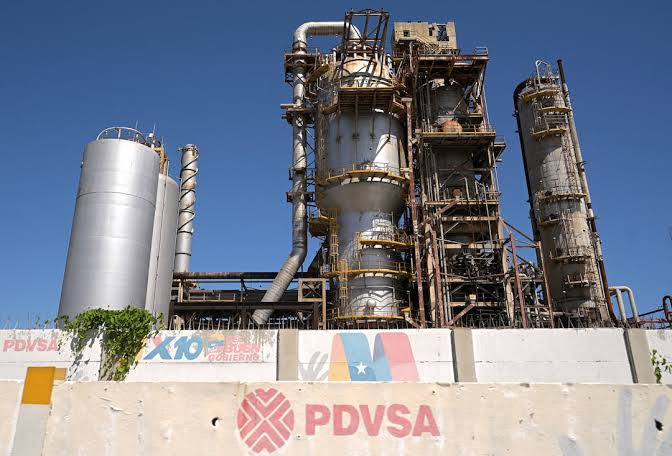
One of the most consequential changes allows the transfer of oil assets currently owned by PDVSA and permits outsourcing of oilfield operations under the new contract model. The government plans to review dozens of PDVSA-controlled joint ventures over the next six months before awarding production-sharing contracts.
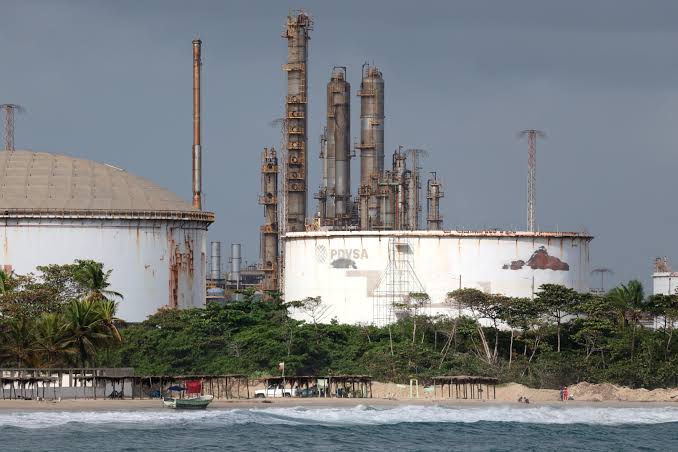
This move is expected to accelerate recovery in mature and underperforming fields, many of which have seen production collapse due to lack of maintenance and technical expertise.
US Sanctions and Geopolitical Context
Shortly after the reform was approved, the United States eased sanctions on Venezuela’s energy sector by issuing a general license for oil exports. The decision followed earlier signals from Washington that sanctions relief would accompany structural reforms in the country’s oil industry.
The development comes amid a broader geopolitical realignment, with Washington seeking stable oil supplies and Caracas aiming to rebuild its economy after years of isolation. However, the US has reiterated that it does not recognise the legitimacy of Venezuela’s National Assembly elections.
Criticism and Transparency Concerns
Opposition lawmakers proposed last-minute amendments to ensure transparency, limit ministerial powers, and retain legislative approval for oil contracts. These proposals were rejected, drawing criticism from former officials and legal experts who argue that the reforms concentrate excessive authority within the executive.
Experts have also warned that formalising production-sharing agreements without robust oversight could increase the risk of corruption, especially given the secrecy surrounding similar deals negotiated in recent years.
Why It Matters for India and Global Energy Markets
For India, which imports over 85% of its crude oil requirements, developments in Venezuela carry long-term significance. Any sustained increase in Venezuelan oil production could add supply diversity to global markets and potentially ease price volatility.
India has previously sourced crude from Venezuela and continues to monitor sanctions-related policy shifts.